A silky, warm Cantonese sweet soup of freshly ground sweet and bitter almonds — naturally creamy without dairy, with a faint bittersweet note that no other tong sui can replicate.
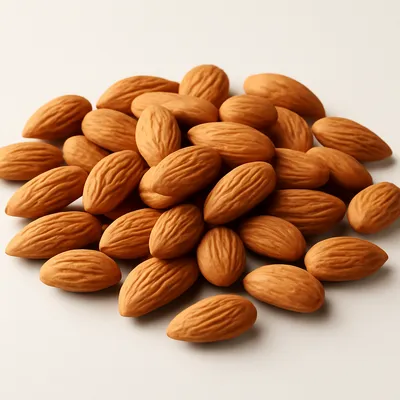

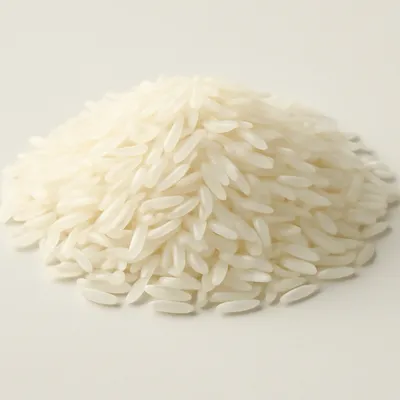


Almond sweet cream is a cornerstone of Cantonese tong sui, rooted in the Lingnan herbal tradition of pairing sweet almonds (南杏, Prunus armeniaca var. dulcis) with a small quantity of bitter almonds (北杏) for both flavor and lung-moistening benefit — a pairing recorded in the Bencao Gangmu (Compendium of Materia Medica). Cantonese cooks refined the practice of stone-grinding the almond mixture with a small addition of dry rice to improve body and viscosity, serving the cream piping hot in winter as a restorative sweet.
The cream arrives hot in a small bowl, pure white and gently fragrant; the first sip is silky beyond expectation — not heavy like dairy, but light and perfumed, with the faintest bitter almond echo on the back of the tongue.
Sweet almonds are roughly 50% oil by weight (oleic and linoleic acids). High-speed blending ruptures cell walls, releasing proteins and oils simultaneously; these self-emulsify into a naturally white suspension. The small rice addition contributes starch granules that swell and gelatinize during heating (around 70°C), thickening the cream from a thin liquid to a velvety, spoon-coating consistency. Bitter almonds contribute trace amygdalin which hydrolyzes to HCN only at high quantities — at the 1:4–5 ratio used here, the contribution is aromatic rather than toxic.
Variations
Served cold it becomes almond milk (杏仁茶), a classic Cantonese street drink. Some versions stir in a spoonful of condensed milk for extra richness. A handful of ginkgo nuts added to the bowl provides a pleasantly chewy textural counterpoint.
On the Palate
Where Almond Sweet Cream sits in the Chinese flavor cloud
Ingredients
Serves 4How it's made
7 steps · 2 hours 30 min
- 1120 min
Soak sweet almonds (南杏仁) in cold water for 2 hours; add bitter almonds (北杏仁) and a small handful of dry rice for the last 30 minutes.
- 24 min
Drain; transfer to a high-speed blender with 500ml fresh water. Blend on high for 3 minutes until the mixture is perfectly smooth and milky white.
Watch outBlend a full three minutes to milky-white and perfectly smooth — under-blended and the cell walls don't rupture, so it never turns creamy white.
- 35 min
Pour the slurry through a fine-mesh muslin bag, squeezing firmly to extract all liquid; discard the solids.
- 42 min
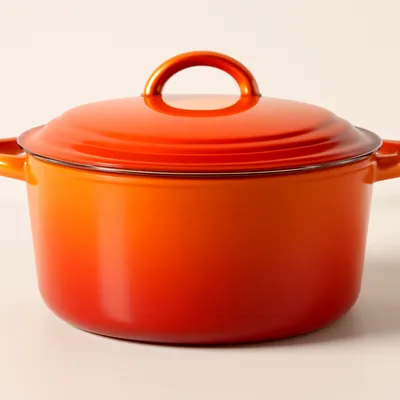
Pour strained almond liquid into a heavy-bottomed pot; add rock sugar.
- 52 min
Place over medium-low heat, stirring constantly with a wooden spoon in slow circles to prevent scorching at the bottom.
Watch outKeep the spoon moving in slow circles along the bottom the whole time — this scorches in a blink and burnt almond turns the whole pot bitter.
- 612 min
Continue stirring as the cream heats and gradually thickens; cook until rock sugar dissolves and small bubbles form at the edges, about 12 minutes.
Watch outPull it off the heat the moment it coats the spoon back — cook past that and the starch stiffens it from velvety to gluey.
- 72 min
Remove from heat when the cream coats the back of a spoon; pour into bowls and serve immediately, piping hot.
Archive tool suggestions — not reviewed
These legacy suggestions have not been evidence-reviewed and are not presented as required tools.