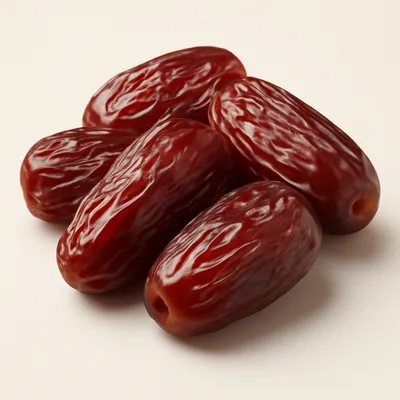
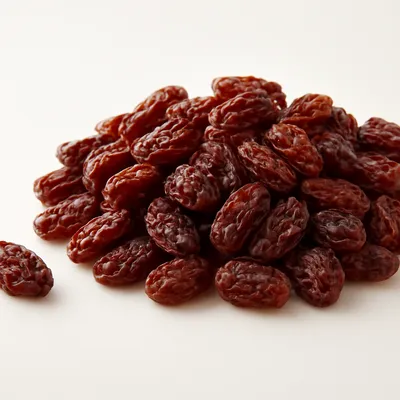
A Hui gaiwan tea layered with eight pantry staples — goji berries, red dates, longan, rock sugar, sesame seeds, walnut kernels, raisins, and green tea — steeped in a lidded three-piece bowl and sipped by raking the lid across the surface to coax out each infusion's fragrance.




Gaiwan tea culture spread through northwest China along the Silk Road, with merchants mixing tea and dried fruits to sustain energy across long desert passages. The Hui community adopted and ritualised the practice, combining Islamic hospitality customs with the northwest Chinese tradition of using medicinal pantry ingredients as daily tonics. The name 八宝 — 'eight treasures' — is a poetic flourish for abundance rather than a strict count; actual recipes commonly use twelve or more ingredients and vary by household and season. Ningxia's Wuzhong, at the intersection of Han tea culture and Hui dietary tradition, became the drink's most recognised heartland. The lidded three-piece bowl (盖碗), whose parts symbolise heaven (lid), earth (saucer) and humanity (bowl), formalised the serving ritual.
The first sip is warm and sweetly complex — rock sugar dissolves ahead of the dried fruit, then goji's faint vegetal note arrives, followed by a lingering longan sweetness. Each refill tastes different, growing clearer and more astringent as the rock sugar depletes.
Rock sugar dissolves slowly in hot water, providing a steady sweetness that moderates the tea's tannin astringency. Goji berries release polysaccharides that bind transiently to bitter polyphenols, softening their perception. Longan's fructose and glucose contribute body and residual sweetness even after multiple steepings. The lid-scraping gesture mechanically agitates the surface, releasing aromatic volatile compounds — terpenes from green tea and aldehydes from dried fruit — so each inhale precedes and conditions the palate before the sip.
Variations
Wedding Eight Treasure Tea: rose blossom and osmanthus added for fragrance, served during the ritual where the bride and groom formally address in-laws by new family titles. Ningxia summer cold-brew: room-temperature water over three hours, served over ice with extra raisins. Qinghai variant: pu-erh brick tea base with dried apricot and walnut, reflecting trade routes south toward Yunnan.
On the Palate
Where Eight Treasure Tea sits in the Chinese flavor cloud
Ingredients
Serves 1
How it's made
6 steps · 5 min
- 13 min
Measure out your eight treasures: 1 tsp green tea leaves, 6 goji berries, 2 red dates (pitted and halved), 3 dried longan (shelled), 1 small rock sugar piece, 1 tsp sesame seeds, 2 walnut quarters, 1 tsp raisins.
- 22 min
Warm the gaiwan by rinsing it with boiling water, then discard the rinse water. Place all eight ingredients directly into the warmed bowl.
- 31 min
Pour near-boiling water (about 90 °C) gently over the ingredients until the bowl is about three-quarters full. Place the lid on at a slight angle.
- 43 min
Wait 2–3 minutes. Hold the bowl with the saucer in your non-dominant hand. Tilt the lid and rake it gently across the surface 3–4 times, releasing the fragrance.
Watch outAfter a two-to-three-minute steep, rake the lid across the surface a few times — that stir lifts the fragrance up so you smell it before each sip.
- 55 min
Sip slowly through the gap between lid and bowl rim, keeping tea leaves and fruits inside. Drink down to about one-quarter full.
- 610 min
Refill with hot water for further steepings. Each refill produces a lighter, cleaner infusion. Three to four refills are typical for one full serving.
Archive tool suggestions — not reviewed
These legacy suggestions have not been evidence-reviewed and are not presented as required tools.


