
A thick, warming winter breakfast tonic from Taiyuan, eaten in the cold months at dawn. Despite the startling name 头脑 ('head/brains'), it contains no brain: it is a pale, slightly soupy porridge of mutton, lotus root and Chinese yam thickened with flour, scented and warmed with fermented yellow rice wine and rice wine lees, with a finger of tender 黄芪 (astragalus root) and a dusting of pepper. Each bowl comes with a piece of mutton and is eaten with pickled leek shoots on the side and a baked flatbread (帽盒) dipped in. It is a medicinal-eating dish — restorative, warming and faintly sweet-fragrant — by tradition credited to the 17th-century Taiyuan scholar-physician Fu Shan.




Tounao — fully 八珍汤, the 'eight-treasures soup' — is a Taiyuan winter specialty served only in the cold season, traditionally before dawn. By long tradition it is credited to Fu Shan (傅山, 1607–1684), the renowned late-Ming Taiyuan scholar, calligrapher and physician, who is said to have devised it as a warming, restorative dish — accounts hold he created it for his ailing mother and passed the recipe to a local Muslim eating-house. That house, 清和元, still serves it in Taiyuan and traces its line to the late Ming, the two strands of the story corroborating Fu Shan's hand in it. The more colourful claims around the name — that 头脑 and the act of eating it 'in the dark before dawn' encode a loyalist's defiance of the new Qing dynasty — are folk interpretation rather than documented fact, and are best taken as legend. What is firm is that it is an old Taiyuan medicinal-food breakfast tied to Fu Shan and to 清和元.
It looks unassuming — a bowl of pale, opaque, lightly thickened broth, almost congee-loose, with a piece of soft-boiled mutton settled in it and a pale finger of astragalus root on top. The taste is gentle and warming: faintly sweet and fragrant from the rice wine and lees, savoury from the mutton, with lotus root and yam giving body, and a low pepper warmth running underneath. The texture is smooth and slippery from the flour-thickening, the mutton fall-apart tender, the astragalus soft enough to eat. It is comfort and medicine at once — you feel the warmth spread — and the pickled leek and dipped flatbread give it crunch and savour against the smooth, mild soup.
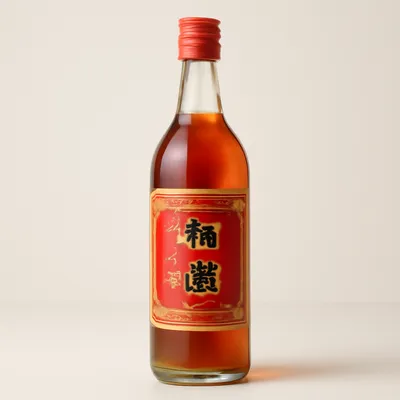
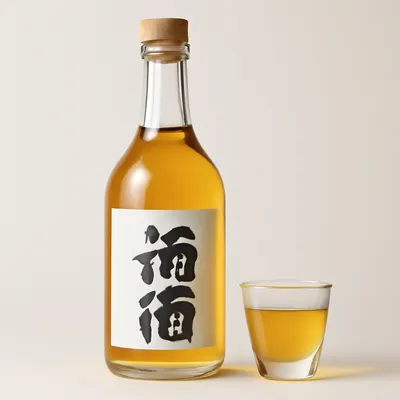
It is medicinal cookery as much as cooking. Mutton is simmered tender; the broth is built up with lotus root and Chinese yam (both 'tonic' ingredients in Chinese dietary thinking), then thickened with flour stirred into a smooth, opaque, slightly viscous soup — the flour is what gives 头脑 its characteristic loose-porridge body rather than a clear broth. The warming, fragrant character comes from fermented yellow rice wine (黄酒) and sweet rice-wine lees (酒糟) stirred in, which carry both aroma and, traditionally, the 'warming' action prized in a cold-weather tonic; a length of astragalus root (黄芪) is cooked soft for its restorative repute. White pepper and a touch of ginger add interior heat. Served scalding at dawn, the dish is meant to be eaten through the coldest forty-odd days of winter (数九) for its warming, building effect.
Variations
The classic Taiyuan reference is 清和元, whose 'eight treasures' fix the canonical components — mutton, lotus root, yam, astragalus, rice wine, lees and the rest. The pairing is part of the ritual: tounao is eaten with 帽盒, a baked round flatbread torn and dipped in, and with pickled leek sprouts (腌韭菜) as a sharp foil, and traditionally with a small cup of yellow wine. Home and shop versions vary the thickness and the wine and lees to taste; some add yellow wine more generously for a stronger warming kick. It is strictly seasonal — sold in the cold months and gone by spring — which is part of its standing as a Taiyuan winter institution.
On the Palate
Where Taiyuan Tounao sits in the Chinese flavor cloud
Ingredients
Serves 4
How it's made
7 steps · 1 hour
- 190 min
Simmer mutton with ginger until tender; reserve the meat and its broth.
- 2480 min
Soak Chinese yam and a length of astragalus root; peel and slice lotus root and yam.
- 330 min
Cook lotus root, yam and astragalus in the mutton broth until soft.
- 48 min
Stir flour into a little water or broth to a smooth slurry and whisk it into the simmering soup to thicken to a loose porridge.
Watch outWhisk the flour slurry into the simmering soup until it thickens to a loose porridge — this starch body is what makes tounao, not a clear broth; lumps mean it went in too fast.
- 55 min
Stir in fermented yellow rice wine and sweet rice-wine lees; season with white pepper and salt.
Watch outStir in the yellow wine and rice-wine lees off a hard boil — boil them off and you lose the warming aroma that's the point of the tonic.
- 615 min
Simmer gently to marry, keeping it smooth and opaque.
- 73 min
Ladle into bowls with a piece of mutton and the soft astragalus; serve scalding with baked flatbread and pickled leek on the side.
Archive tool suggestions — not reviewed
These legacy suggestions have not been evidence-reviewed and are not presented as required tools.


