The signature dish of Ya'an, Sichuan, built around the cold-water schizothoracine ya fish from the Qingyi River — one of Chinese freshwater cooking's most prized catches. The fish simmers in a Rongjing black clay pot alongside pork tripe, ham, winter bamboo shoots, shiitake, and tofu, all sustained by a long-simmered bone broth. In a cuisine built on chili heat and numbing pepper, sandpot ya fish is an anomaly: no doubanjiang, no Sichuan peppercorn — just the pristine sweetness of the fish and the depth of the stock. Named a Chinese Classic Dish in 2006, it joined Sichuan's Ten Great Classic Dishes in 2018, and its traditional craft was inscribed as a Yuchen District intangible cultural heritage in 2020.




The ya fish entered Chinese culinary literature long before anyone thought to cook it in a clay pot. Western Jin author Zuo Si praised it in the Ode to Shu Capital (ca. 280 AD) under its older name: 'the fine fish emerges from the Bing cavern.' In 764 AD, the poet Du Fu, traveling south through Sichuan, wrote: 'The fish of the Bing caverns has always been prized; the bamboo-tube wine of Pi needs no buying.' In the Qing dynasty, a Ya'an scholar named Li Jingfu reportedly presented the fish to the Empress Dowager Cixi, who was said to have declared it beyond even the flesh of dragon and phoenix. The clay-pot preparation itself is younger — perhaps a century old — descended from the simple clear-water boiling of riverside fisherfolk on the Qingyi, gradually refined with proper bone stock and the distinctive Rongjing black clay vessel until it became a banquet centerpiece.
The clay pot arrives still bubbling, broth a clear pale gold, the fish lying whole inside. The first impression is the soup: not rich, not oily — a clean, bone-deep clarity layered with the mellow funk of pork tripe, salty ham, and the faint green crunch of bamboo shoots. The fish itself is extraordinary: the flesh of a wild cold-water schizothoracine fed on snowmelt streams is almost impossibly tender, pulling away from the bone in whole ivory sheets, sweet in a way farmed fish never are. Inside the skull is the legendary celestial-sword bone — a single spine shaped like a bronze dao — and local custom says the meal is only complete when someone extracts it from the broth.
Three variables determine the dish: stock quality, the ratio of fish to accompaniments, and timing. The Rongjing black clay pot — fired to around 1200°C from a dense local grey-white clay — has walls riddled with fine micropores. These pores make the pot a gentle, even heat conductor: proteins don't seize under sudden high heat, muscle fibers stay silky. Remove the flame and the pot retains enough thermal mass to keep the broth simmering for several minutes — a residual heat that finishes the cooking without risk of overcooking. The fish needs only 5–8 minutes in the pot; beyond that, the delicate flesh of the schizothoracine breaks apart and dries out. A brief surface sear before the pot step is the other key move: one minute per side in hot oil sets the outer protein layer, holding the fish together through the simmer so it arrives at the table in one piece.
Variations
The ya fish has other preparations beyond the clay pot. Clear-steamed ya fish — just the fish, ginger, and a spoonful of soy — is the purest expression of the ingredient. Dry-cooked ya fish follows the Sichuan playbook with doubanjiang, pickled chili, and pickled ginger, reducing down to a savory-spicy glaze. Wooden-bucket fish (木桶鱼) is a newer Ya'an fashion: the fish sits in a wooden bucket and is scalded tableside with hot oil poured over Sichuan pepper and dried chili. Within the sandpot preparation itself, upscale banquet versions add meatballs, tendon, and pig's heart; everyday home versions trim it to fish, tofu, and bamboo shoots.
On the Palate
Where Sandpot Ya Fish sits in the Chinese flavor cloud
Ingredients
Serves 4

How it's made
7 steps · 30 min
- 1120 min
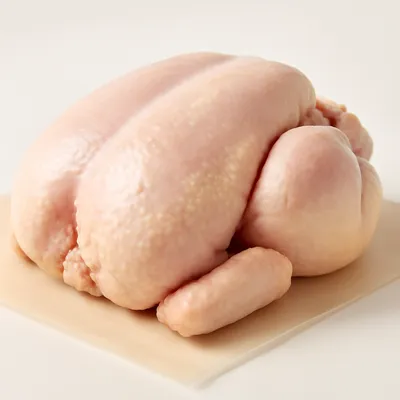
Make stock: place chicken carcass or pork bones in cold water, bring to a full boil and skim off all foam; reduce to a low simmer and cook for 2 hours until the broth is clear and deeply flavored. Reserve.
Watch outSkim the stock hard as it first boils, then drop it to a bare simmer — a rolling boil clouds the broth grey instead of clear.
- 220 min
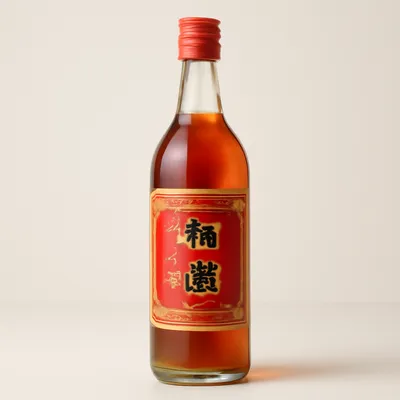
Marinate the fish: clean and gut the ya fish, rub inside and out with salt, sliced ginger, and Shaoxing wine; marinate 20 minutes to remove any off-flavors, then lift out and pat completely dry.
- 315 min
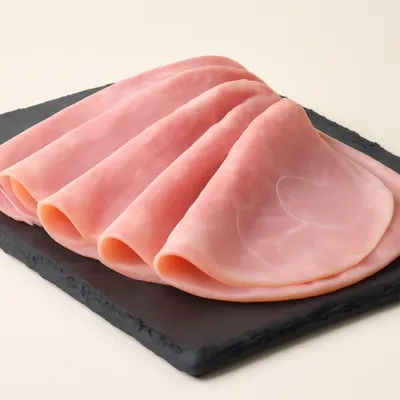
Prep accompaniments: pre-cook pork tripe in plain water until tender, then slice into strips; blanch tofu strips briefly in salted boiling water and drain; soak dried shiitake until soft and slice; slice bamboo shoots thin; cut ham and chicken into serving pieces.
- 410 min
Build the clay pot: into the Rongjing black clay pot layer chicken pieces, pork tripe strips, ham slices, bamboo shoot slices, and shiitake mushrooms; pour over enough hot stock to cover, bring to a boil over high heat, then reduce to low and simmer 10 minutes to meld flavors.
- 55 min
Sear the fish: heat a small amount of oil in a flat-bottomed skillet over medium-high; sear the fish about 1 minute per side until the surface just sets and turns lightly golden — you are sealing the outer protein, not cooking the fish through.
Watch outSear the fish about a minute a side just to set and lightly gild the surface — you're sealing the skin, not cooking it through.
- 68 min
Finish in the clay pot: gently lower the seared fish into the simmering broth, add the tofu strips, and season with salt; simmer over low heat for 5–8 minutes just until the fish is cooked through at the thickest part — do not rush this step.
Watch outSimmer the fish just 5–8 minutes until the thickest part is cooked — the clay pot's residual heat finishes it, and pushing longer turns the flesh coarse.
- 72 min
Serve: splash a little Shaoxing wine into the pot to lift the aroma, scatter sliced scallion over the surface, and bring the clay pot directly to the table while it is still bubbling.
Archive tool suggestions — not reviewed
These legacy suggestions have not been evidence-reviewed and are not presented as required tools.



