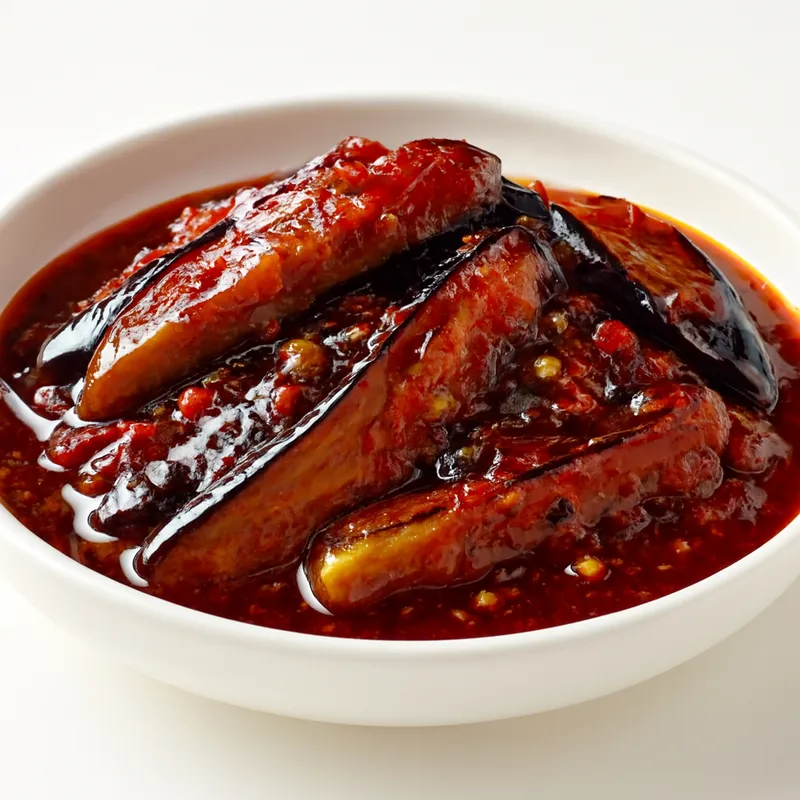
A homey Yunnan one-pot rice (焖饭) cooked with diced cured ham and fresh spring peas. Diced Yunnan ham — typically Xuanwei ham (云腿) or Nuodeng ham — is rendered in a little lard until fragrant, the shelled peas are tossed in, and rice and water are added and cooked covered until the water is absorbed and the grains are tender and separate. The ham seasons the whole pot with salt and fat, so little else is needed; the finished rice is then stirred to fold the ham, peas, and rendered fat evenly through it. It is an everyday comfort dish eaten in spring when the peas are young and sweet.



Pea and ham rice belongs to the home cooking of Yunnan, a province famous for its dry-cured hams; its exact origin and date are not recorded, and it is best understood as an everyday folk dish rather than one with a documented invention. Cooking ham 'folded into rice or beans' is one of the recognized everyday uses of Xuanwei ham, the province's signature ham (often called 云腿, 'Yunnan ham'), alongside Nuodeng ham from Yunlong and other local hams; the dish simply marries that ham with the fresh peas of early spring. The same one-pot method underlies a small family of Yunnan 焖饭, the best known of which is potato-and-ham rice (洋芋火腿焖饭). Many cooks use young broad beans (蚕豆) interchangeably with peas, and a thrifty kitchen will substitute cured pork or sausage for ham.
The rice comes out in distinct, glossy grains, each lacquered with rendered ham fat, never wet or claggy. The first taste is the deep, salty-savory hit of the cured ham, with its faint funky sweetness; the peas burst bright and grassy-sweet against it, and the lard carries the aroma through every grain. There should be browned, slightly chewy nuggets of ham scattered through, and a thin golden crust where the rice met the hot pot. Done well, the seasoning is balanced by the ham alone and the peas are still tender and vivid green. Done badly, the rice is mushy and waterlogged, the peas are grey and overcooked, or the dish is too salty because the ham was not tasted for salt before more was added.
Cured ham is the whole seasoning. Months of salting and air-drying concentrate its salt and break its proteins down into free amino acids — above all glutamate — so rendering the diced ham in fat both crisps it and releases a deep, savory aroma that the rice then absorbs; because the ham is already salty, the cook salts the pot only after tasting. The peas are added briefly so their sugars and bright green hold rather than cooking out to a dull grey. The rice itself is cooked by absorption: a measured amount of water is taken up by the starch as it gelatinizes under the lid, and once the water is gone the grains steam dry into separate, firm kernels rather than the soft mass of boiled rice. Stirring at the end folds the salty fat and the ham's savor evenly through the rice, and the layer of grains pressed against the hot pot can brown into a thin crust.
Variations
The single most common swap is young broad beans (蚕豆) for green peas — both are spring legumes and many Yunnan cooks treat them as interchangeable, the dish then often called 蚕豆焖饭. Households without ham use cured pork (腊肉) or Chinese sausage (香肠), and some add diced potato, turning it toward the better-known potato-and-ham rice (洋芋火腿焖饭). Cooks differ on whether to fold cooked rice into the fried ham and peas and steam briefly, or to add raw rice and water and cook the whole pot from scratch; a clay pot or rice cooker both work, the clay pot giving more of the prized bottom crust.
On the Palate
Where Yunnan Pea and Ham Rice sits in the Chinese flavor cloud
Ingredients
Serves 4How it's made
7 steps · 25 min active + 25 min waiting
- 15 min
Rinse the rice once or twice and set aside; shell the fresh peas (or young broad beans).
- 26 min
Dice the cured Yunnan ham into small cubes; if it is very salty, blanch it briefly in hot water first.
- 35 min
Render a little lard in a clay pot or heavy pan and fry the diced ham over medium heat until the edges brown and it smells fragrant.
Watch outRender the diced ham until the edges brown and it smells fragrant — this releases its deep savor, which the rice then soaks up; it's also the seasoning, so go easy on added salt.
- 42 min
Add the shelled peas and stir-fry for a minute or two, just to coat them in the fat and keep their green color.
- 53 min
Add the rinsed rice and stir, then pour in water to about a centimeter above the rice; taste and add a little salt only if the ham is not salty enough.
- 618 min
Bring to a boil, then cover and cook over low heat until the water is fully absorbed and the rice is tender, about 15-20 minutes.
Watch outCover and cook on low until the water is fully absorbed and the rice is tender — lift the lid too early and the grains stay hard in the middle.
- 75 min
Let it rest off the heat for a few minutes, then stir to fold the ham, peas, and fat evenly through the rice and serve hot, scraping up any crust.