
The dish that names a flavor. Firm tofu is fried to a golden skin, then braised briefly with a little pork and Pixian doubanjiang until the sauce reduces to a red-bright glaze. Salty-savory, faintly spicy, with the nutty depth of slow-fried chili-bean paste, it is the textbook example of Sichuan's 家常 ("home-style") flavor — the everyday taste built on doubanjiang, salt and soy that anchors the cuisine away from the banquet.
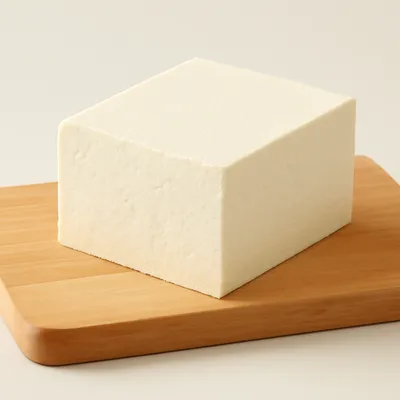


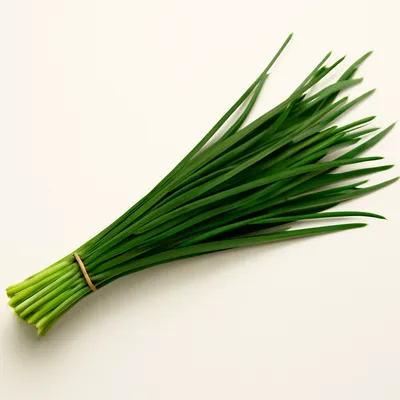


Home-Style Tofu is the namesake dish of 家常味 ("home-style flavor"), one of the codified flavor profiles of Sichuan cuisine. Unlike 鱼香 or 怪味, the home-style profile is built simply on Pixian doubanjiang with salt and soy, and was distilled by chefs from the everyday cooking of ordinary Sichuan households — "家常" literally means "what's usual at home." Tofu and a little pork, cheap and always to hand, made it the canonical carrier of that taste. There is no founding legend; its authority comes precisely from being ordinary, the dish a Sichuan kitchen turns out without thinking.
Cubes or triangles of tofu with a chewy fried skin and a soft, custardy inside, slicked in a brick-red sauce that clings without pooling. The doubanjiang gives it a salty, gently spicy, fermented-savory backbone; bits of pork and green garlic add bite and freshness. The fried skin is what matters — it holds the tofu together through the braise and grips the sauce, so each piece is seasoned outside and silky within. Plain steamed rice is the point of it.
Two techniques carry it. First the tofu is fried until a skin forms — the surface proteins set and dehydrate into a tough, slightly chewy film that keeps the fragile curd from crumbling in the braise and gives the sauce something to grip; un-fried tofu falls apart. Second, the Pixian doubanjiang must be chopped fine and fried slowly in oil over low heat until the oil runs red and the paste smells nutty (出红油), releasing its aroma and color before any liquid is added — this is the rule of the entire 家常 profile, and raw doubanjiang stirred in late tastes flat and harsh. A light cornstarch slurry at the end pulls the sauce into a glaze.
Variations
Chengdu home versions keep it simple with pork and doubanjiang; restaurant 家常豆腐 often adds wood ear, bamboo shoot, or a few slices of pork belly and green pepper for body. Some cooks use soft 嫩豆腐 for silkier results (harder to keep whole); a客家-style firm tofu fries up sturdier. A spoon of fermented black bean (豆豉) deepens it; a touch of sugar rounds the doubanjiang's edge. Vegetarian versions drop the pork and lean on mushrooms.
On the Palate
Where Home-Style Tofu sits in the Chinese flavor cloud
Ingredients
Serves 3

How it's made
7 steps · 20 min
- 13 min
Cut firm tofu into 1 cm-thick triangles or squares; pat dry.
- 25 min
Fry the tofu in a little oil over medium heat until both sides form a golden skin; set aside.
Watch outFry the tofu until both sides form a real golden skin — that tough film keeps the fragile curd from crumbling in the braise; un-skinned tofu falls apart.
- 32 min
Stir-fry a spoon of minced pork until it renders; push aside.
- 43 min
Lower the heat and fry finely chopped Pixian doubanjiang in the oil until the oil turns red and smells nutty; add ginger, garlic and a little chopped fresh chili.
Watch outFry the doubanjiang low until the oil runs red and smells nutty before any liquid — raw paste stirred in late tastes flat and harsh; this red oil is the whole 家常 flavor.
- 51 min
Pour in a splash of stock or water with a little soy sauce and a pinch of sugar; bring to a simmer.
- 64 min
Return the tofu, simmer gently 3-4 minutes, spooning sauce over, until it has soaked up flavor.
- 71 min
Thicken with a thin cornstarch slurry, scatter green garlic or scallion, and toss once to glaze.


