Lianshan Big-Slice Twice-Cooked Pork is the signature dish of Lianshan Town, Guanghan, in Deyang, Sichuan — distinguished above all by the scale of its pork slices, each the width of an adult palm, roughly 20 centimetres long and half a centimetre thick, weighing 140 to 160 grams. Rump second-cut pork is simmered from cold water until 60 to 70 percent done, chilled, then cut into these oversize sheets. A wok of blended rapeseed oil and lard renders the fat out slowly over medium-low heat until each slice curls into the signature lamp-socket hollow known as the dengazhiwo. Deyang soy sauce, house doubanjiang, fermented black beans, and sweet bean paste build the seasoning; garlic shoots and shards of pan-fried guokui flatbread finish the dish. Fatty yet not heavy, tender to the point of dissolving — it is the plate that turned a small market town into a Sichuan culinary destination.




Lianshan Big-Slice Twice-Cooked Pork dates to around 1980, when brothers Dai Muer and Dai Shuer were head chefs at the Lianshan Supply and Marketing Cooperative Restaurant in Guanghan. Their father sold guokui flatbread nearby, and the elder brother took an idea from the pairing: make the pork slice extravagantly large — visible from across the room, unmistakably different from any standard huiguorou. He sourced free-range Tibetan-breed black pigs from the Jintang mountains, selected the rear haunch second-cut (the locally named zuodun er), and cut slices to palm size and half a centimetre thick, each weighing 140 to 160 grams — several times the usual serving. He also refined the seasoning with Deyang soy sauce and a house chili paste to bridge the 'southern sweet, northern mild' regional palate divide. In 1986, the dish was unveiled at the Guanghan Materials Exchange Fair and immediately caused a sensation across the city's food industry, drawing crowds to the previously little-known town. In 2006, the Deyang city government designated the preparation craft 'Lianshan Twice-Cooked Pork Making Technique' as a First-Batch Municipal Intangible Cultural Heritage, and the dish has since been recognised as a Sichuan Province Tianfu Famous Dish.
Lift one slice from the plate — palm-wide, half a centimetre thick — and it sags under its own weight, glazed in amber sauce. The fat layers have rendered until nearly translucent at the centre; each edge has pulled and curled into the lamp-socket hollow, forming a natural cradle that pools the brick-red oil and black bean paste. Fatty pork dissolves on the tongue without effort; the lean barely needs chewing before it gives way entirely — what the dish calls 'lean that crumbles.' Deyang soy sauce threads a salty sweetness through every bite; fermented black beans leave a deep savoury finish in the back of the nose. Pick up a shard of fried guokui flatbread from the bottom of the wok: the crust has soaked through with rendered pork juices, crisp shell giving way to something soft and rich — the contrast the dish is quietly built around.
Two things distinguish Lianshan technique from standard twice-cooked pork: slice scale and patient fat-rendering. The oversized slices carry more layered fat, which requires a slow approach over medium-low heat. A mixture of rapeseed oil (for high-smoke-point stability) and lard (for fragrance) is heated to about 70 percent temperature; slices go in without crowding and are turned steadily until both sides have fully surrendered their fat to the pan. The lamp-socket hollow is the visual signal — each slice contracting and curling as the subcutaneous fat melts out. Rush the heat and the outside chars before the fat releases; hold it low and both sides emerge glossy and yielding. Deyang soy sauce, brewed from local soybeans with an intensely savoury depth, coats the dish in deep amber and contributes glutamates that reinforce the pork's natural umami. Sweet bean paste adds malt sweetness; fermented black beans supply a further layer of amino-acid depth. Garlic shoots go in at the final moment — just long enough for their volatile sulphur aromatics to bloom without cooking off entirely.
Variations
Each Lianshan restaurant guards its chili paste formula — some lean toward fermented black bean funk, others amplify the doubanjiang heat, and a few add pickled chili for a sour edge. Garlic shoots and fried guokui flatbread are the standard accompaniments, but young ginger slices, onion, or green pepper substitute when shoots are out of season. Dai Muer's inheritor Dai Mei introduced a 'clothesline' presentation — whole raw slabs of pork draped on bamboo poles for diners to snip with scissors at the table — which has become an attraction in its own right. Outside Sichuan, the rump cut is frequently replaced with pork belly and the slices shrink to standard dimensions, producing a dish that resembles conventional twice-cooked pork rather than the Lianshan original.
On the Palate
Where Lianshan Big-Slice Twice-Cooked Pork sits in the Chinese flavor cloud
Ingredients
Serves 4


How it's made
7 steps · 30 min active + 45 min waiting
- 13 min
Scrub the rump pork clean under cold running water. Add ginger slices to a pot, lay in the pork, and cover fully with cold water.
- 230 min
Bring to a rolling boil over high heat, skimming off all foam as it rises. Reduce to a medium simmer and cook 25 to 30 minutes; test doneness by inserting a bamboo skewer — no blood should seep out. Remove pork and submerge immediately in cold water; rest 10 to 15 minutes to firm the flesh for clean slicing.
Watch outSkewer the thickest part — the juices must run clear with no blood, or the fat won't render clean when you fry.
- 310 min
Pat the pork dry and slice across the grain into sheets approximately 20cm long, 10cm wide, and 0.5cm thick — each sheet should span a full adult palm. Set aside.
- 44 min
Cut the guokui flatbread into rough bite-sized chunks. In a dry wok over medium heat, add a thin film of rapeseed oil and fry the guokui pieces until golden and crisp on both sides, about 3 minutes. Remove and drain on a rack.
- 515 min
Add the rapeseed oil and lard to the wok and heat to about 70 percent temperature — the surface shimmers and a wooden chopstick dipped in produces small steady bubbles. Lay in the pork slices without crowding, working in batches if needed. Fry over medium-low heat, turning once, until both sides have rendered their fat and each slice has curled into a lamp-socket hollow — 12 to 15 minutes total. Do not raise the heat.
Watch outKeep it medium-low and patient — the slice curling into a lamp-socket cup means the fat has surrendered; rush the flame and the outside chars before the fat melts.
- 63 min
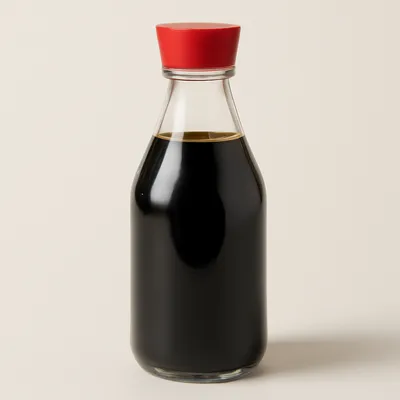
Push the pork to the sides of the wok. In the cleared centre, add the doubanjiang and fermented black beans; stir-fry in the rendered fat for about 30 seconds until the oil runs red and the paste smells nutty. Pour in the dark soy sauce, sweet bean paste, and sugar; stir everything together and fold the pork back into the sauce until evenly coated.
Watch outFry the doubanjiang in the rendered fat until the oil turns red and the paste smells nutty — that red oil is the color of the dish.
- 72 min
Add the garlic shoots and fried guokui pieces. Toss over high heat for 30 to 45 seconds until the shoots are just wilted but still bright green. Plate immediately.


