A celebrated Hangzhou noodle bowl from the old Kuiyuan Guan house, built on two river treasures: crisp deep-fried slices of yellow eel and plump fresh river shrimp, laid over soft wheat noodles in a glossy, soy-deepened sauce. The eel is butterflied off the bone, fried until its surface sets crisp and brown, then briefly stewed so it drinks up the sauce while keeping a fragrant crackle; the shrimp go in last to stay tender. It is finished with three different oils in turn, ending with a splash of scalding sesame oil poured over the bowl at the table. A summer dish, made when the yellow eel is at its fattest and best.



The dish comes from Kuiyuan Guan, a noodle house opened in Hangzhou in the sixth year of the Tongzhi reign (1867). It first stood by Wangxian Bridge under the name Kuihe Guan and was, by most accounts, an Anhui-style noodle shop run by Huizhou men; over time it grew into Hangzhou's most famous noodle house, now a recognised China Time-honoured Brand and nicknamed the "Noodle King of the South." The Qiantang waters around the city teemed with yellow eel but yielded far less freshwater shrimp, so shrimp was the dearer catch; pairing the two on one bowl of noodles was a way to dress up and sell the eel, and the marriage stuck. Today shrimp-and-crispy-eel noodles, together with the pian'er chuan, are the house's two signature bowls.
The eel arrives dark and glossy, fried to a brown crackle on the outside but tender within, carrying the round savour of a sauce it has stewed in; the shrimp are springy and sweet, slipped in at the end so they never toughen. The noodles beneath are soft and smooth, slicked with a sauce that is rich and soy-deep yet not heavy. The last hit is aroma: a ladle of smoking sesame oil poured over the bowl just before it reaches you, so the first thing you meet is the fragrance rising off the eel. Crisp against tender, savoury against sweet — the contrast is the whole point.
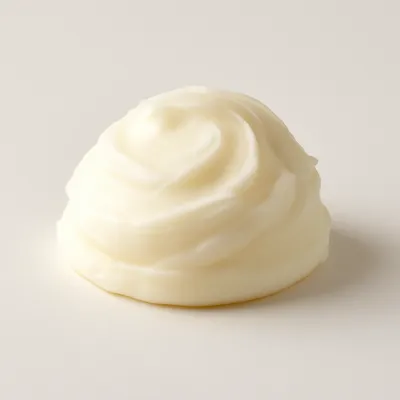
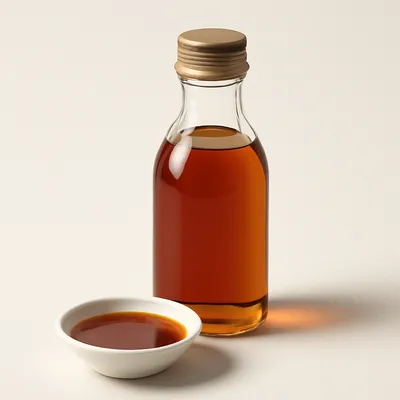
Three steps make the eel. It is first poached in salted water until the mouth gapes, then butterflied off the backbone into joined double strips of meat. Frying does the rest: at a high enough oil temperature the surface dehydrates and browns through the Maillard reaction — reducing sugars and amino acids in the eel reacting into the brown, savoury, aromatic compounds of a fried crust — setting that crackle. A quick return to the pan in seasoned sauce softens it just slightly so it carries flavour without going soggy, while the shrimp, pre-coated in a thin wet-starch slurry that shields them from the heat, go in last to stay plump and tender. The bowl is built on the house rule of "three oils": first a vegetable-oil fry, then a stir in lard, and finally hot sesame oil poured over — each oil layering its own fragrance, the scalding sesame oil at the end volatilising the aromatics so the whole bowl smells alive.
Variations
At Kuiyuan Guan the dish is a made-to-order house signature; home cooks simplify it, sometimes shallow-frying the eel and skipping a step of the three oils, which costs it some of the crackle and depth. It sits within a wider family of river-eel dishes, but stands apart from each: Wuxi's Liangxi crisp eel uses deep-fried eel shreds (not slices over noodles), runs distinctly sweet, and has no shrimp; Shanghai's sizzling-oil eel paste is soft and smooth rather than crisp, finished with a theatrical pour of hot oil over scallions; and the various stir-fried eel-shred dishes keep the eel tender throughout. What makes this one Hangzhou's own is the pairing of crisp eel with fresh shrimp over noodles, and the closing splash of sesame oil.
On the Palate
Where Shrimp and Crispy Eel Noodles sits in the Chinese flavor cloud
Ingredients
Serves 2

How it's made
8 steps · 40 min
- 18 min
Poach live yellow eel in salted boiling water until the mouths gape, then lift out; run a knife down each side of the backbone to take off joined double strips of meat, and cut into finger-length pieces.
Watch outPoach the eel just until the mouths gape — that's the signal the flesh lifts clean off the backbone; overcook and it shreds.
- 210 min
Shell fresh river shrimp; season the shrimp lightly with salt and a little Shaoxing wine, then coat in a thin wet-starch slurry and let sit.
- 33 min
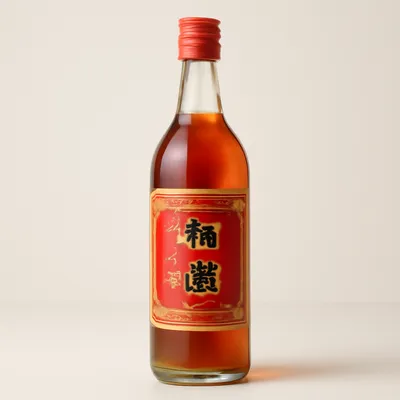
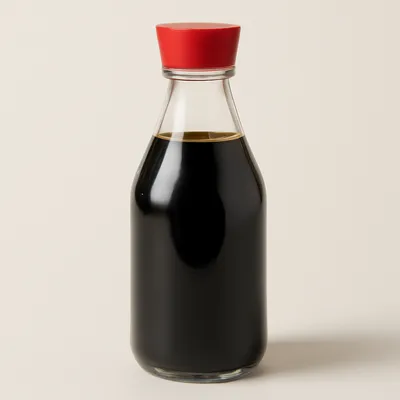
Mix the sauce: dark and light soy sauce, a little sugar, Shaoxing wine, and stock.
- 46 min
Heat vegetable oil hot and fry the eel strips until the surface sets crisp and brown, then lift and drain.
Watch outFry the eel hot until the surface sets crisp and browned — that crackle has to be locked in before the sauce.
- 55 min
In lard, fry scallion and ginger to fragrance, return the eel, add the sauce, and stew briefly so the eel drinks up flavour while keeping its crackle.
- 63 min
Slip in the shrimp at the very end and toss just until they turn opaque and curl, keeping them tender; thicken the sauce lightly to a gloss.
Watch outSlip the shrimp in only at the very end — toss just until they turn opaque and curl, then stop, or they go rubbery.
- 73 min
Blanch the wheat noodles in fast-boiling water until just firm, lift, drain well, and divide between two bowls.
- 82 min
Lay the eel over the noodles, top with the shrimp, and finish each bowl with a ladle of smoking-hot sesame oil poured over at the table.


