A whole live carp, scales left on, deep-fried so hard and fast that it arches tail-up like a fish caught thrashing in a net, then doused at the table with a scalding sweet-and-sour sauce. The scales and bones turn shatter-crisp while the flesh inside stays tender; the hot sauce hits the hot fish with a loud sizzle. A grand banquet dish of Tianjin's river-and-sea cooking.
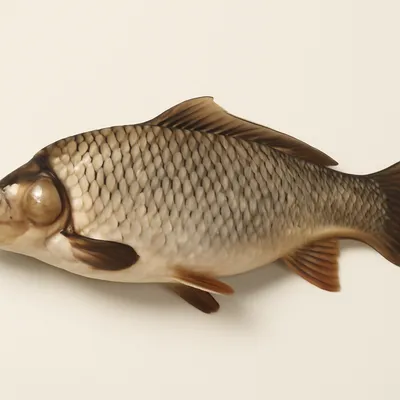





"Zeng" is a square lift-net; the dish is named for the way the finished fish curls tail-high, as if struggling in the net. It is said to have originated at the Tianyifang restaurant in late-Qing Tianjin, and a much-told tale ties its creation to the chaos around 1900: rowdy customers garbled an order for a shrimp dish into "zeng beng fish," and to defuse the quarrel the chef improvised — gutting a live carp but leaving the scales on, frying it hard in fierce oil, and dressing it with sweet-sour sauce. The story is folklore more than record, but the dish itself is a documented classic of Tianjin cuisine and a local intangible-heritage item.
It arrives tail in the air, scales standing up crisp and glistening with sauce. The scales and fine bones crunch like crackling; the back of the fish is the prize, where the meat under the crust is white, hot and tender. The sauce is boldly sweet and sour, clinging to the outside without soaking in. Poured over at the table, it raises a cloud of steam and a sizzle you can hear across the room.
Leaving the scales on is the whole point and the whole risk: in fierce, very hot oil the scales and the scored fine bones crisp into edible crackling, while the thick of the flesh, shielded by that crust, cooks just through and stays juicy. The fish is held or propped so it sets in its tail-up arch as the oil seizes the outside. The sauce is finished separately and brought to the fish boiling hot, so the contact of scalding sauce on scalding crust drives the steam and the signature sizzle — and so the crust meets the sauce only at the last second, before it can go soft.
Variations
The classic is a whole carp dressed with a clear sweet-and-sour sauce; some kitchens redden and thicken the sauce, and the same scales-on, sizzle-at-the-table treatment is occasionally given to other firm river fish. Purists hold that the scales must stay on and the sauce must go on hot at the table — skip either and it is no longer the dish.
On the Palate
Where Zeng Beng Carp sits in the Chinese flavor cloud
Ingredients
Serves 4

How it's made
8 steps · 50 min
- 120 min
Choose a live carp; gut and clean it but leave the scales on, and score the fine rib bones so they will crisp.
- 25 min
Pat the fish bone-dry and dust lightly so the scales stand and crisp.
Watch outPat the fish bone-dry before dusting — any surface water and the scales won't stand or crisp, and the hot oil spits violently.
- 35 min
Heat a deep pot of oil until very hot.
- 48 min
Lower the fish in, holding or propping it so it sets in a tail-up arch; fry hard until the scales and bones are shatter-crisp and the flesh is just cooked.
Watch outFry hard in very hot oil until the scales and scored bones are shatter-crisp while the thick flesh stays just cooked — cooler oil leaves the scales chewy.
- 53 min
Lift out, drain well, and set the fish upright on the serving plate.
- 66 min
In a separate pan, cook a sweet-and-sour sauce of sugar, vinegar, ginger, garlic and scallion until glossy and boiling hot.
- 71 min
Carry the fish and the boiling sauce to the table.
- 81 min
Pour the scalding sauce over the hot fish so it sizzles, and serve at once.
Watch outPour the boiling sauce over the just-fried fish so it sizzles on contact — the crust meets the sauce at the last second, before it can go soft.


