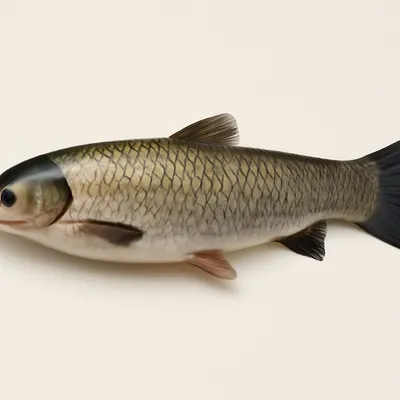
A century-old Wuzhou showpiece: a whole grass carp deep-fried at 175–180°C until the skin shatters like lacquered porcelain, then finished with a thunderclap pour of near-boiling scallion oil and a glossy, transparent glaze that contracts around every fracture in the crust. The result is crisp skin, steamed-quality flesh within, and a sweet-salty scallion fragrance that fills the room. The fish is arranged arched in the form of 'a carp leaping the dragon gate.'




Wuzhou sits at the confluence of the Gui and Xun rivers, a Lingnan trade hub where Cantonese cooking sensibilities met Guangxi produce throughout the Qing dynasty. Scallion-oil fish became an established Wuzhou household and restaurant staple by the late Qing period, with the technique of scalding scallion oil over fried fish serving as a hallmark of the city's 'big-salty, big-sweet, big-flavored' culinary identity. The lineage has been transmitted through restaurant apprenticeships for over a century. The cooking craft was inscribed on Guangxi's ninth batch of autonomous-region-level intangible cultural heritage in 2023. In 2024, Wuzhou's catering industry association published a group standard for the preparation technique, formally codifying the oil temperature at 175–180°C and the transparent-glaze method.
At the first touch of chopsticks the skin shears clean—a sharp crack, then the yielding white fish beneath. The sweet-salty glaze pools in the fractures. Between bites, a wave of scallion fragrance rises from the still-hot fish, almost overwhelming, then settling into the clean, river-fresh character of the grass carp itself.
Frying at 175–180°C causes rapid evaporation of surface moisture, desiccating the outermost protein layer into a rigid, porous crust while the Maillard reaction between the fish's amino acids and reducing sugars in the marinade generates golden color and volatile aroma compounds. The subsequent pour of near-boiling scallion oil (above 150°C) over the fried fish triggers instantaneous vaporization of residual moisture and ruptures scallion cell walls, releasing thiosulfinate compounds—the dramatic sizzle is the audible signature of this aroma burst. The 'glass sauce' (玻璃芡) employs dissolved starch at low concentration, producing a transparent, fluid gel that clings to the porous crust and fills the cracks without softening them.
Variations
Home kitchens often substitute tilapia or crucian carp for grass carp. Some cooks add dark soy sauce to the glaze for deeper color. A lighter steamed-then-oiled version skips the deep-fry, pouring hot scallion oil directly over a plain steamed fish—simpler, less crisp, but lighter in oil.
On the Palate
Where Wuzhou Scallion Oil Fish sits in the Chinese flavor cloud
Ingredients
Serves 4

How it's made
7 steps · 35 min
- 115 min
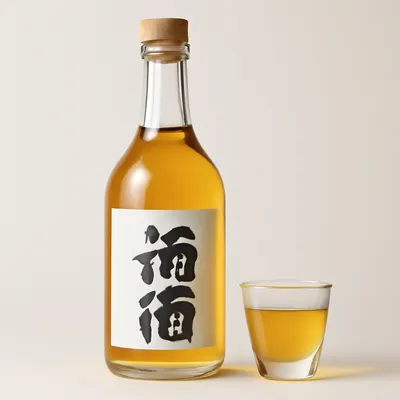
Clean and score the grass carp (1–1.2 kg) with diagonal cuts every 3 cm on both sides down to the bone. Rub all over with salt (1 tsp), ginger slices, and a splash of rice wine. Marinate for 15 minutes, then pat completely dry with paper towels.
Watch outScore the fish to the bone and pat it bone-dry — dry skin fries up crackling-crisp; damp skin steams soft and won't gild.
- 25 min
Heat 600 ml vegetable oil in a wok over high heat to 175–180°C (test with a wooden chopstick—vigorous small bubbles appear immediately). Gently lower the fish and fry undisturbed for 4 minutes until the underside is golden and set.
Watch outFry at 175–180°C undisturbed four minutes until the underside is golden and set before flipping — flip too soon and the crust tears off.
- 35 min
Carefully flip and fry the other side for 3–4 minutes until the whole fish is golden-brown and the skin is crackling-crisp. Remove and place on a serving platter, curving the fish into a bow shape.
- 43 min
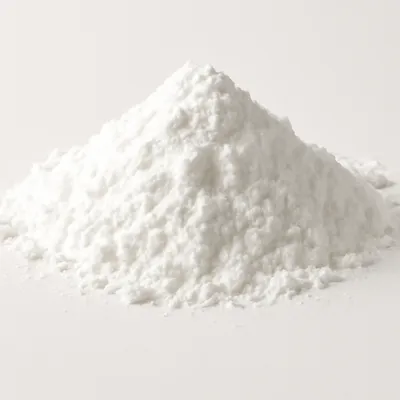
Prepare the glass sauce: stir together 150 ml water, 2 tbsp light soy sauce, 1 tbsp oyster sauce, 1 tbsp sugar, and 1 tsp cornstarch until smooth.
- 55 min
Heat 2 tbsp oil in a small pan over high heat. Pour in the sauce mixture and stir constantly until it thickens into a transparent, pourable glaze. Remove from heat and set aside.
- 62 min
Scatter finely sliced spring onion generously over the fish. Heat 3 tbsp oil in a small ladle or pan until smoking (above 150°C).
- 72 min
Pour the smoking hot oil over the scallion-topped fish in one swift motion—listen for the dramatic sizzle—then immediately spoon the glass sauce over the fish. Serve at once.
Watch outPour the smoking oil over the scallions in one swift motion and listen for the sizzle — that burst is the aroma releasing; cool oil gives nothing.

