Golden Lion-Mane Fish is a classic banquet dish of Shijiazhuang, Hebei, and a signature of the Hebei (Ji) culinary school. A whole carp is filleted along both flanks while the head and tail stay intact, then the flesh is sliced and cut with scissors into roughly two hundred fine threads. The fish is coated in an egg-and-starch batter and deep-fried, shaken in the oil so the threads splay and set into a fluffed golden mane, leaving the head reared up like a lion's. A bubbling sweet-and-sour tomato sauce is poured over the moment it leaves the oil, so the strands stay crisp beneath the glaze. Golden in color, sweet-and-sour and tender within, it was later placed on the state-banquet menu at the Great Hall of the People and named one of Hebei's ten classic dishes.



The dish is credited to chef Yuan Qingfang, a native of Qingyuan in Baoding who apprenticed eight years at the Yanchunyuan restaurant in Baoding before settling in Shijiazhuang in 1950. Around 1951, working at the Shijiazhuang Station Restaurant, he reworked the established Baoding dish 'grab-fried fish' (zhua-chao yu) through, by Chinese accounts, more than a hundred trial revisions, refining the knife work, batter, frying and sauce until the threads fluffed into a lion's mane. The dish gained province-wide fame after a 1959 commercial-system culinary exhibition in Hebei, and in November 1983 it was demonstrated at the first national master-chefs' appraisal meeting held in the Great Hall of the People in Beijing (presented for Hebei by chef Liu Zhenshan) and entered the state-banquet repertoire. In 2018 it was listed among Hebei's ten classic dishes when 'Chinese Cuisine' was first unveiled.
The first sensation is the mane: hundreds of shatter-crisp golden threads that crackle and collapse on the tongue, glossed in a bright, tangy sweet-and-sour sauce. Beneath the crust the carp stays moist and tender, its mild flesh a quiet foil to the vinegar-sugar glaze. Because the sauce hits while the strands are at their crispest, the contrast between crunch and soft fish, sweet and sour, lasts to the last bite.
Everything hinges on cutting the flesh into fine threads while the fish stays whole: the carp is filleted into sixteen or seventeen slices per side, then scissored into some two hundred strands so that each can fluff freely. The thin egg-white-and-starch batter is what crisps in the oil; as the fish goes into moderately hot oil, the cook shakes it constantly so the threads separate and set splayed before they can mat together, then a hotter second frying drives off surface moisture and locks the mane rigid and golden. The sweet-and-sour tomato sauce is thickened with starch in a separate pan and poured boiling over the fish the instant it leaves the fryer, so the still-crisp strands are only lightly glazed rather than soaked soft.
Variations
Carp is traditional, but some cooks substitute grass carp or other firm freshwater fish; the strands can be cut finer or coarser to vary the mane. The glaze is usually a tomato-reddened sweet-and-sour sauce, though pure sugar-and-vinegar (without tomato) versions exist, sometimes finished with green peas or shredded garnish for color. It is often compared with Suzhou's squirrel mandarin fish (songshu guiyu): both are deep-fried sweet-and-sour fish, but the squirrel fish is diamond-scored into a pinecone shape from a single boneless fillet, whereas the lion-mane carp is cut into free hanging threads and keeps its whole head, giving the maned look unique to this Hebei dish.
On the Palate
Where Golden Lion-Mane Fish sits in the Chinese flavor cloud
Ingredients
Serves 4


How it's made
8 steps · 40 min active + 10 min waiting
- 110 min
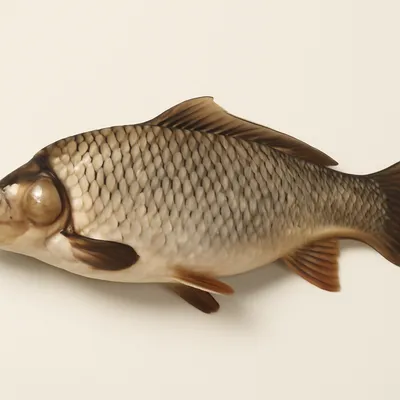
Scale, gut and clean a fresh carp of about 1.5 kg, keeping the head and tail intact; split the head open at the lower lip and prise open the gill covers so the head can be reared up later.
- 212 min
Lay the fish flat and fillet each flank into sixteen or seventeen thin slices that stay attached at the bone, then run scissors along the cuts to part the flesh into roughly two hundred fine threads.
Watch outFillet into thin attached slices then scissor into fine threads — the strands must be even and free, or they mat instead of fluffing.
- 35 min
Whisk egg, cornstarch and a little wheat flour into a smooth batter and coat the fish and every strand evenly.
- 44 min
Heat oil to moderate (about 60 percent hot) and lower the fish in; shake and lift it constantly so the threads splay open and the gill covers spread, setting the mane.
Watch outIn moderate oil, shake and lift the fish nonstop so the threads splay open and set apart before they can clump.
- 54 min
Raise the oil to high (about 80 to 90 percent hot) and fry again until the strands are rigid, golden and crisp like a lion's mane, then lift out, drain, and arrange head-up on a platter.
Watch outSecond-fry hotter until the strands stand rigid and golden like a mane — this drives off surface moisture and locks the shape.
- 63 min
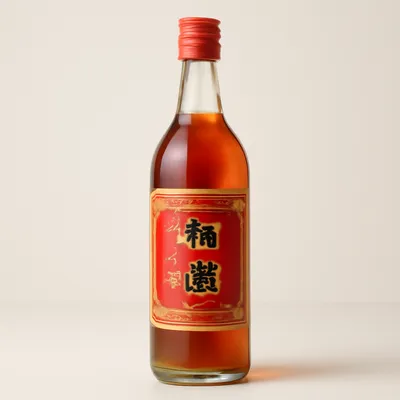
In a separate pan combine stock, sugar, tomato paste, Shaoxing wine, soy sauce, vinegar and a starch slurry, and bring to a fast boil.
- 71 min
When the sauce bubbles up, stir in minced ginger, scallion and garlic.
- 81 min
Pour the boiling sweet-and-sour sauce over the fish the moment it is at its crispest and serve at once.
Watch outPour the boiling sauce over at the crispest moment and serve at once — it sizzles loudly; wait and the mane goes soft.

