
A classic Sichuan litchi-flavor dish: stir-fried pork loin with bamboo shoots and wood ear in a light sweet-sour sauce, poured boiling-hot over fresh-fried rice crust to a loud sizzle at the table.




A Sichuan classic of roughly a century's standing, built on guoba — the scorched rice crust from the bottom of the pot, a foodstuff old enough to appear in the Six Dynasties texts Shishuo Xinyu and Nan Shi. The dish belongs to Sichuan cuisine's litchi-flavor type. Its tableside sizzle is shared with — but should not be confused with — the Jiangsu tomato-and-shrimp rice crust (虾仁锅巴 / 三鲜锅巴) of Wuxi and Suzhou, the version most often tied to the Qianlong/Kangxi 'Greatest Dish Under Heaven' legends; both carry the byname 'a thunderclap on level ground' (平地一声雷).
The rice crust arrives golden and puffed, the sauce poured over it at the table with a sharp hiss and a curl of steam. First taste is the litchi flavor — a clean sourness just ahead of a restrained sweetness, salt holding under both, never as sweet as a sweet-and-sour glaze. The pork slices stay tender and slick; the bamboo shoots snap; and the crust, freshly drenched, is crisp at the edge and softening toward the middle where it has drunk the sauce. Eat at once: a minute later the sizzle is gone and so is the crackle.
Two things must both be screaming-hot when they meet: the rice crust straight from the oil, and the sauce at a rolling boil. Sun-dried cooked-rice crust is fried at 70–80% oil heat (about 200–220°C); the water still locked in the starch flashes to steam, blowing the crust open into a light, brittle puff. The instant the boiling sauce hits that puffed, near-dry, blistering-hot crust, the trapped surface moisture vaporizes explosively — that flash of steam is the loud sizzle, the 'thunderclap.' If either side has cooled, there's no flash and no sound. The sauce itself is a litchi-flavor master-mix balanced in a bowl beforehand — salt, sugar, vinegar, soy, rice wine and a little starch slurry, with sliced ginger, scallion and pickled chili for aroma only; vinegar slightly outweighs sugar so sourness reads first, with enough salt under it to keep it savory rather than candied. The pork loin is sliced thin, marinated with salt and a wet starch coat (often egg white too) and quick-fried so it sets tender before the sauce is built around it.
Variations
The Jiangsu cousins are the best-known kin: shrimp-and-tomato rice crust (虾仁锅巴) and three-delicacy rice crust (三鲜锅巴) of Wuxi/Suzhou, redder and sweeter with a tomato-tinted sauce, and the dishes most often called the 'Greatest Dish Under Heaven.' Within the Sichuan litchi-flavor family the pork can be swapped for shrimp, chicken, or a mixed seafood 'three-delicacy' set; common add-ins beyond bamboo shoots and wood ear include winter mushroom, pea shoots, and tomato for color. All share the defining move — boiling sauce poured over fresh-fried crust for the sizzle.
On the Palate
Where Sizzling Rice Crust with Pork sits in the Chinese flavor cloud
Ingredients
Serves 4



How it's made
7 steps · 30 min
- 18 min
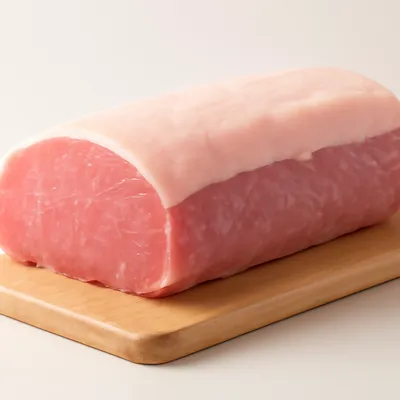
Cut pork loin across the grain into thin slices about 5 cm long. Marinate with salt and a wet starch slurry (and egg white if using); set aside.
- 26 min
Soak and slice the bamboo shoots and wood ear. Cut scallion whites, ginger and pickled red chili into matchstick or 'horse-ear' pieces.
- 33 min
In a bowl, mix the litchi-flavor sauce: salt, sugar, vinegar, soy, rice wine, stock and a little starch slurry — vinegar slightly over sugar, salt under both. Keep ready.
- 44 min
Heat a little oil and quick-fry the pork slices to separate and just set. Add ginger, garlic, pickled chili, wood ear and bamboo shoots and stir until fragrant.
- 52 min
Pour in the bowl sauce; bring to a hard rolling boil so it thickens to a glossy, savory-tart sauce. Keep it scalding hot.
Watch outKeep the sauce at a hard, screaming boil right up to the table — if it cools, there's no flash of steam and no sizzle when it hits the crust.
- 63 min
Separately, heat clean oil to 70–80% heat (about 200–220°C). Fry the broken-up dried rice crust until golden, puffed and crisp; drain and pile into a deep serving bowl.
Watch outFry the rice crust in oil at two-hundred-plus degrees until it puffs and blisters — a puffed, near-dry crust is what cracks loud when the boiling sauce hits it.
- 71 min
Carry both to the table at once and pour the boiling sauce over the screaming-hot crust so it sizzles loudly. Serve immediately with rice.
Watch outBoth must be scalding when they meet — carry crust and sauce out together and pour at once, or the thunderclap fizzles.

