
A warming Hakka dish of chicken slowly cooked with a generous pour of glutinous-rice wine and a great deal of ginger. The chicken is browned with the ginger in sesame oil, then simmered in 'niang jiu' (娘酒) — the sweet, amber home-brewed rice wine of the Hakka — until the meat is tender and the broth turns rich, fragrant and gently boozy. Traditionally eaten by women in the month after childbirth to drive out cold and replenish the body, it is also a cherished cold-weather and celebration dish, sweet-savory with the deep warmth of wine and ginger.
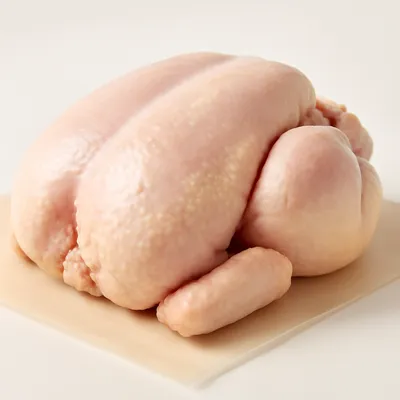
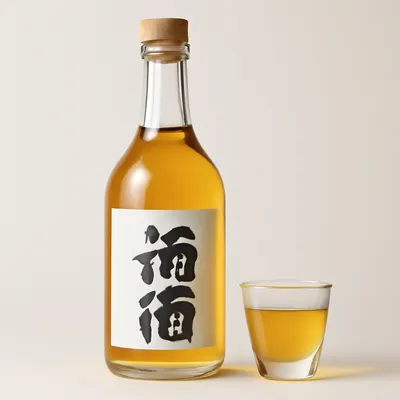

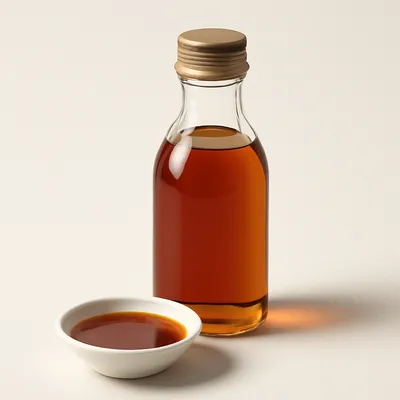


Rice-wine chicken is a defining dish of the Hakka kitchen, built on 'niang jiu' (娘酒) — the home-fermented glutinous-rice wine that is a cornerstone of Hakka food culture across eastern Guangdong (Meizhou, Heyuan), southern Jiangxi and western Fujian. Its best-known role is as a postpartum tonic: in Hakka custom a new mother eats rice-wine chicken (often with added ginger and sometimes black fungus or red dates) through her month of confinement to expel cold, warm the body and aid recovery, a tradition still widely kept. Beyond the birthing room it is a beloved dish of winter and of festivals and family reunions. The wine itself is brewed from glutinous rice and a red-yeast or wheat starter, and good households are proud of theirs. The medicinal-tonic framing reflects long-held folk dietary belief rather than clinical fact.
Tender pieces of bone-in chicken slip off in a broth that is amber, glossy and aromatic — sweet and mellow from the rice wine, with a real warming heat from the ginger that builds at the back of the throat. The sesame oil the chicken was fried in lays a toasty, nutty richness underneath. The wine's sweetness is balanced by the savory chicken and a little salt, and the alcohol's raw edge has cooked off into a soft, fragrant warmth that spreads through the chest. Spoon the broth over rice; the ginger, soft and mellowed, is good to eat too. Comforting, restorative, and meant to be eaten hot.
The dish turns on the wine and on cooking off the right amount of alcohol. The chicken and a large quantity of ginger are first fried in sesame oil — the ginger blooms in the hot oil, releasing its pungent, warming aromatics (gingerol), and the chicken's surface browns for flavor — before the rice wine goes in. Niang jiu is sweet because much of its rice starch ferments only partway to sugar rather than fully to alcohol, so simmering reduces it into a naturally sweet, body-giving broth; gentle heat is key, since a hard boil would flash off the wine's aroma and leave it flat. The alcohol cooks down over the simmer, mellowing the raw bite into fragrant warmth while the wine's sugars and the chicken's collagen thicken the liquid. Salt is added late and lightly so as not to fight the wine's natural sweetness.
Variations
The core is chicken, niang jiu and ginger, but additions are common and often tied to the tonic purpose: black wood ear, red dates, goji berries, dried longan or a few wolfberries for the confinement version; some add a beaten egg or whole eggs poached in the broth. Sweet potato or taro is sometimes simmered in for body. The amount of ginger ranges from generous to enormous in the postpartum rendition. Where home-brewed niang jiu is unavailable, Shaoxing wine or other glutinous-rice wine stands in, though Hakka cooks insist the real niang jiu is irreplaceable. Some brown the chicken hard for a deeper dish; others keep it pale and let the wine and ginger lead.
On the Palate
Where Hakka Rice-Wine Chicken sits in the Chinese flavor cloud
Ingredients
Serves 4
How it's made
6 steps · 35 min active + 15 min waiting
- 112 min
Chop a whole chicken into bone-in pieces; pat dry. Slice a generous amount of ginger (the more the better for the warming version).
- 24 min
Heat sesame oil in a clay pot or wok and fry the ginger over medium heat until fragrant and slightly curled.
Watch outFry the ginger low and slow until the slices curl at the edges and the sharp raw smell turns warm and mellow — that bloomed ginger is the backbone of the whole pot.
- 35 min
Add the chicken and stir-fry until the pieces are browned on the surface and no longer pink outside.
- 43 min
Pour in the glutinous-rice wine (niang jiu) to nearly cover, add a little water if needed, and bring to a gentle simmer — do not let it boil hard.
Watch outBring it to a lazy simmer with just a few bubbles breaking the surface; a rolling boil blows off the wine's sweet aroma and leaves the broth flat.
- 524 min
Cover and simmer gently for 20-25 minutes until the chicken is tender and the broth has reduced to an amber, fragrant liquid.
- 62 min
Season lightly with salt to taste (added late so as not to mask the wine's sweetness), and serve hot in the pot.
Archive tool suggestions — not reviewed
These legacy suggestions have not been evidence-reviewed and are not presented as required tools.


