Silky slapped noodles (摔面) topped with a golden, semi-transparent gravy of red sea bream, chicken stock, wood ear mushroom, and diced pork thickened with egg and starch — the '30% noodle, 70% broth' formula of Penglai, Yantai's most beloved morning bowl.


Penglai small noodles are a traditional specialty of Penglai, Yantai. Their precise founding date is unrecorded; the most documented lineage node is the late-Qing/early-Republic noodle shop of Yi Futang (衣福堂). According to tradition, a busy evening left the shop short of dough: the owner improvised with scant dough scraps, a local red sea bream (加吉鱼), and dried wood-ear mushrooms — poaching the fish in a spiced broth, thickening the stock with egg and starch, and ladling it generously over the small portion of noodles. The 'thirty-percent noodle, seventy-percent broth' (三分面七分卤) formula crystallized. The noodles themselves are 摔面 — 'slapped noodles,' stretched by forcefully slamming the dough against the board rather than pulling by hand — yielding an exceptionally fine, silky strand. The dish is now listed on Yantai's municipal intangible cultural heritage register.
Silky, barely-there noodles carried on a warm tide of golden fish broth — savory, subtly floral from the spices, with egg-flower ribbons floating through a sauce that sits between soup and gravy.
The 摔面 technique slams dough against the board repeatedly, orienting gluten fibers directionally along the strand's length — different from the radial alignment of round pulled noodles — producing a thinner, more uniform strand with a distinctly silky surface. The broth's thickening relies on two mechanisms: egg protein that coagulates into thin sheets (egg-flower), and gelatinized cornstarch that forms a semi-transparent matrix suspending meat and mushroom particles evenly while insulating the fine noodle from temperature loss.
Variations
Traditional broth requires fresh or simmered red sea bream (加吉鱼); when unavailable, some vendors substitute flounder or yellow croaker, though purists consider these inferior. Some Penglai shops add dried shrimp (虾皮) for extra depth. A stir-fried dry variant called '炒蓬莱小面' exists but is considered a modern adaptation that diverges from the dish's founding spirit.
On the Palate
Where Penglai Small Noodles sits in the Chinese flavor cloud
Ingredients
Serves 4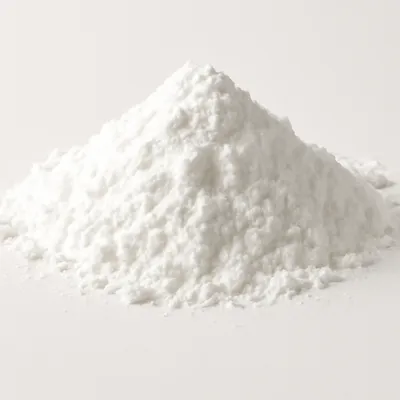


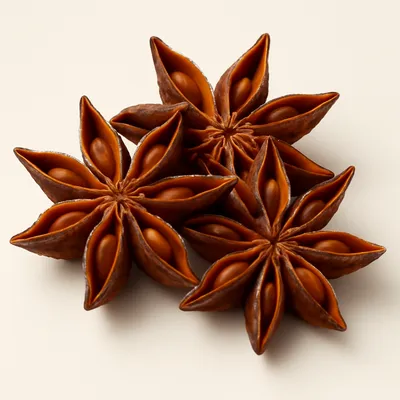
How it's made
7 steps · 1 hour 5 min
- 120 min
Mix flour and salted water into a soft, pliable dough; rest covered 20 minutes. Then slam dough forcefully against the board, stretch, fold, and re-slam until strands form naturally; cut into noodles about 1 mm wide; set aside.
Watch outSlam the dough hard against the board and re-slam until strands form naturally — that beating lines up the gluten lengthwise and gives the noodle its silky, even pull.
- 215 min
Steam red sea bream until just cooked through; flake the flesh, discarding bones and skin. Bring chicken stock to a gentle simmer with Sichuan peppercorn and star anise in a spice sachet; steep 10 minutes; remove sachet.
- 35 min
Add flaked fish, diced cooked pork, soaked wood ear mushrooms, salt, and soy sauce to the stock; bring to a simmer and cook 5 minutes.
- 45 min
Beat eggs lightly; pour in a slow stream while stirring gently to form egg-flower ribbons; add cornstarch slurry and stir until the broth turns semi-transparent and golden — the signature fish gravy.
Watch outPour the egg in a slow stream while stirring so it feathers into ribbons, then add the starch slurry until the broth turns semi-clear and golden — that gravy is the dish.
- 52 min
Bring a separate large pot of water to a full boil; cook noodles 1–2 minutes until just done; drain into bowls (noodles should fill only the lower third of each bowl).
- 62 min
Ladle the golden fish gravy over noodles in a 7:3 ratio of gravy to noodle.
- 72 min
Serve with rice vinegar and minced garlic on the side.
Archive tool suggestions — not reviewed
These legacy suggestions have not been evidence-reviewed and are not presented as required tools.

