A Hong Kong congee-shop classic: silky Cantonese congee base flash-cooked with thinly sliced fresh pork liver in a raw-cook (生滾) technique that leaves the liver trembling and velvet-soft. Finished with ginger julienne, spring onion, and sesame oil.



Cantonese raw-cook congee (生滾粥) traces back to early twentieth-century Guangzhou congee stalls (粥擔), where vendors simmered plain rice porridge to a silky base and flash-cooked each customer's chosen protein to order. The technique crossed to Hong Kong with Cantonese migrants and flourished in the city's dense congee-shop culture of the 1950s–70s. Pork liver—called 豬潤 in Cantonese, 潤 meaning 'nourishing and smooth'—was prized as cheap, nutritious, and fast-cooking, making it the single most popular ingredient in the raw-cook genre. Renowned congee shops in Sham Shui Po and Yau Ma Tei served it from before dawn, drawing night-shift workers and market vendors seeking a restorative morning bowl.
The congee is thick and silky—each spoonful coats the mouth. The liver, barely kissed by heat, hovers at a trembling, custard-like softness that is neither chalky nor rubbery, cut through by bright ginger and the nutty warmth of sesame oil.
The raw-cook method works because pork liver is sliced to around 3mm—a high surface-to-volume ratio that lets boiling congee at roughly 95°C transfer heat through the slice in 30–60 seconds, denaturing myoglobin and structural proteins without long enough exposure to tighten the tissue into chalkiness (liver contains very little collagen). The congee's dissolved starch also coats the liver surface, acting as a thermal buffer that slightly slows heat transfer and moisture loss, helping hold the trembling just-set texture.
Variations
Mixed offal congee (及第粥): pork liver combined with pork intestine, pork meatballs, and kidney, all raw-cooked together—its name alludes to passing imperial examinations. Fish fillet congee (魚片粥): same raw-cook method applied to grouper or grass carp, lighter in flavour. Beef congee (牛肉粥): thin-sliced beef marinated with baking soda for added tenderness.
On the Palate
Where Pork Liver Congee sits in the Chinese flavor cloud
Ingredients
Serves 2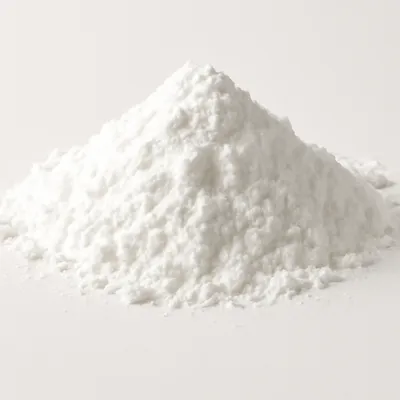
How it's made
7 steps · 30 min
- 15 min
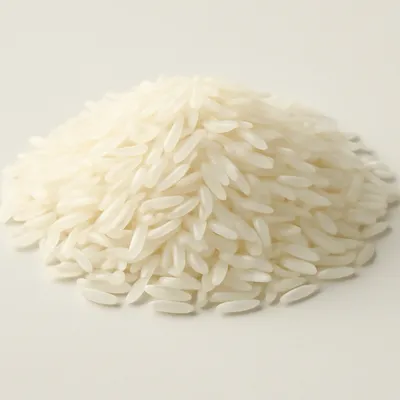
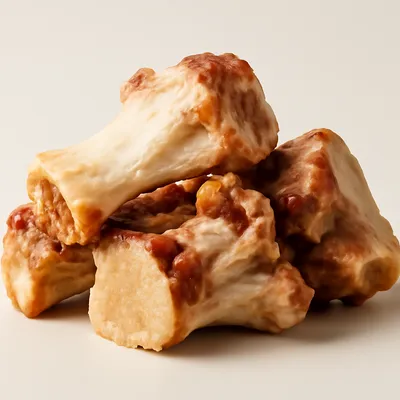
Wash rice until water runs clear; place in a pot with pork bones, a strip of dried tangerine peel, and a thumb of ginger; add 1.5 litres of water.
- 290 min
Bring to a boil, then reduce to a gentle simmer for 90 minutes, stirring occasionally, until congee is thick and silky; remove bones, peel, and ginger.
- 315 min
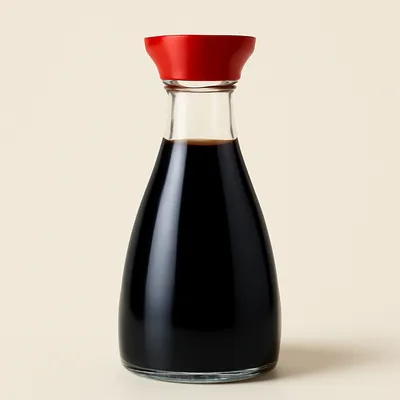
Slice fresh pork liver 3mm thin against the grain; marinate with soy sauce, white pepper, cornstarch, and a few drops of sesame oil for 15 minutes.
Watch outSlice the liver a thin 3 mm against the grain so the hot congee can cook it through in seconds without turning it chalky.
- 45 min
Julienne fresh ginger into fine matchsticks; slice spring onions thinly; set both aside.
- 53 min
Bring congee back to a furious rolling boil over high heat.
- 61 min
Add liver slices in a single layer; stir gently once to separate; cook for 30–45 seconds until the liver just changes colour throughout.
Watch outSlip the liver into furiously boiling congee and pull it the moment it just changes color throughout — 30–45 seconds, no more, or it turns hard and grainy.
- 72 min
Ladle immediately into bowls; top with ginger julienne, spring onion, and a drizzle of sesame oil; serve at once.
Archive tool suggestions — not reviewed
These legacy suggestions have not been evidence-reviewed and are not presented as required tools.



