A ceremonial centerpiece of Tianjin's Eight Great Bowls, where sea cucumber, fish lips, shrimp, hand-pounded pork meatballs, and winter bamboo shoots are gathered into a single deep bowl of long-reduced, golden chicken stock. Nothing about the dish is accidental—each ingredient was chosen to evoke collective completeness and good fortune. The name 全家福 (Full Family Fortune) made it an obligatory presence at Tianjin weddings and longevity banquets from the late Qing through the Republican era: no Full Family Fortune, no proper feast.



The 全家福 bowl evolved from the rough-and-ready cookhouse traditions of the Tianjin garrison. Tianjin was established as a military town in 1404 (Yongle era, Ming dynasty); its cooks fed thousands of soldiers and canal boatmen from massive pots, combining available ingredients in a single large bowl—efficiency born of necessity. Historical accounts note that Tianjin garrison cooks used large-pot steaming, boiling, and braising techniques that eventually passed into civilian hands and then into the city's restaurants. As the 'Eight Great Establishments' (八大成) restaurants reached their peak in the late Qing and Republican era—when records note Tianjin had 'roughly five hundred' restaurants—the communal pot was refined: sea cucumber and fish lips replaced cheaper substitutes, hand-pounded meatballs replaced rough-cut meat, and clear long-reduced chicken stock replaced opaque stews. The auspicious name and all-inclusive composition made the dish a near-compulsory fixture at Tianjin wedding and longevity celebrations.
The bowl arrives golden and gently steaming. The stock is crystal-clear but full-bodied—long hours of accumulated umami from chicken and bone, with no cloudiness. The sea cucumber yields with a smooth, glossy give; the meatballs bounce back with satisfying elasticity; the shrimp snap cleanly. Every chopstick-load pulls the broth through a different texture, each one gentle and unhurried, the whole bowl deepening the longer you eat from it.
The clarity and depth of the broth depend on two-stage umami accumulation. First, the long-reduced chicken stock extracts soluble glutamates and collagen-derived gelatin from chicken bones and muscle tissue; maintaining the temperature below a rolling boil (around 90°C) prevents fat emulsification that would cloud the liquid. Second, sea cucumber releases sulfated glycosaminoglycans (sea cucumber polysaccharides) during simmering at 70–80°C—these dissolve into the broth contributing subtle viscosity and releasing additional glutamates. Pork meatball texture depends on myosin gelation: repeated hand-pounding unfolds and cross-links myosin filaments into a three-dimensional protein network; heating above 68°C sets this network irreversibly, producing the characteristic springy bounce. The dish's umami intensity exceeds any single ingredient because sea cucumber glutamate, pork inosinate, and dried-seafood guanylate engage in synergistic amplification—a documented food-science phenomenon where combined nucleotides multiply perceived savoriness far beyond their individual contributions.
Variations
Vegetarian version (素全家福): replace meat and seafood with glass noodles, wood-ear mushrooms, tofu puffs, and lily bulbs—popular at Buddhist temple banquets. Winter crab version: add Tianjin river crab (紫蟹) claws in autumn for seasonal luxury. Hotpot style: serve the broth in a coal-heated copper chafing dish, allowing diners to cook additional ingredients at the table.
On the Palate
Where Full Family Fortune Hotpot sits in the Chinese flavor cloud
Ingredients
Serves 6

How it's made
7 steps · 1 hour
- 110 min
Prepare the sea cucumber: if starting from dry, rehydrate over 24–48 hours, changing water twice daily, until fully plump. Trim any interior membrane, rinse, then blanch in boiling water for 2 minutes. Cut into 5 cm lengths. Set aside.
- 210 min
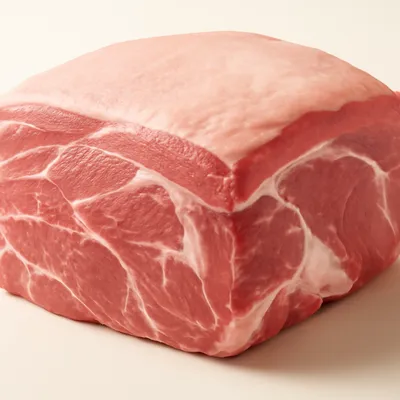
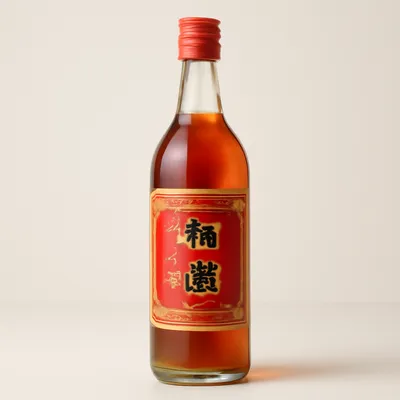
Make the pork meatballs: finely mince 300 g pork shoulder. Season with salt, white pepper, 1 tsp Shaoxing wine, 1 egg white, and 1 tbsp water starch. Knead, then throw the mixture firmly against the bowl for 5 minutes until very sticky and elastic. Rest 10 minutes.
Watch outThrow the pork mince hard against the bowl five minutes until sticky and elastic — this myosin gelation gives the meatballs their bounce.
- 310 min
Poach the meatballs: bring a pot of lightly salted water to 85°C (a steady gentle simmer, not boiling). With wet hands, form the pork mixture into balls about 3 cm across. Slip in and poach 7–8 minutes until cooked through and firm. Remove and set aside.
Watch outPoach the meatballs at 85 degrees, a bare simmer — a rolling boil batters them apart and toughens the meat.
- 48 min
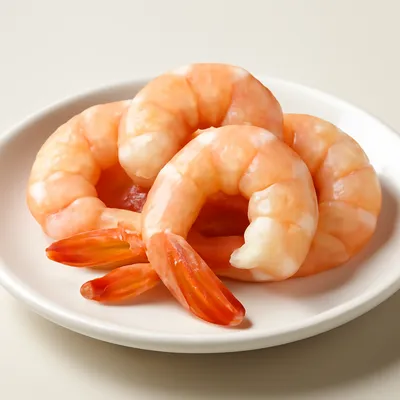
Prepare remaining ingredients: blanch shrimp briefly until just pink and set aside; cut rehydrated fish lips into bite-sized pieces; slice winter bamboo shoots thin and blanch 1 minute to remove any bitterness.
- 58 min
Build the soup: heat 800 ml rich chicken stock in a pot. Season with salt. Add sea cucumber and fish lips, bring to a gentle simmer and cook 5 minutes.
Watch outKeep the chicken stock below a rolling boil, around 90 degrees — hard boiling emulsifies the fat and clouds this clear soup.
- 610 min
Combine and finish: add meatballs, shrimp, and bamboo shoots. Simmer together on low heat for 8–10 minutes until all ingredients are heated through and the broth has drawn together every layer of flavour. Adjust seasoning.
- 75 min
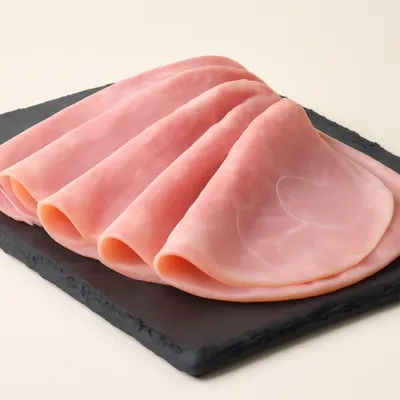
Ladle everything into a large deep serving bowl, ensuring each ingredient appears at the surface. Garnish with a few slices of cooked ham and serve as the ceremonial centrepiece of the banquet.
Archive tool suggestions — not reviewed
These legacy suggestions have not been evidence-reviewed and are not presented as required tools.


