A coastal noodle soup from Fangchenggang on the Beibu Gulf, where freshly caught arc clams, shrimp, and crab are simmered into a sweet, deeply saline broth poured over silky rice noodles. The dish carries the flavor fingerprint of both southern Chinese and Vietnamese coastal cuisines.


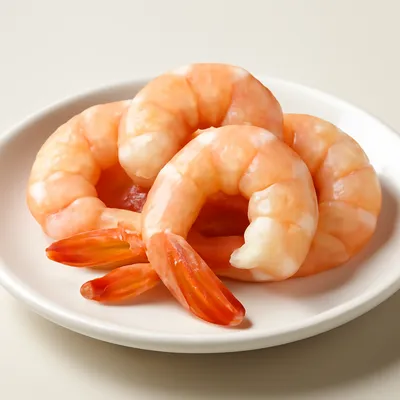
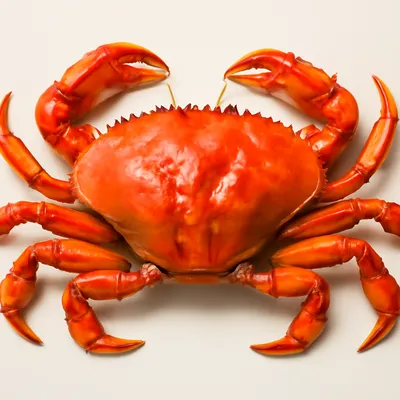


Fangchenggang lies on the Beibu Gulf and is Guangxi's primary marine fishing base, with abundant catches of clams, shrimp, crab, and sea worms from warm inshore waters. From 1511 onward, Vietnamese fishermen from the Haiphong area settled on the islands of Wanwei, Shanxin, and Wutou in present-day Fangchenggang; the State Council officially recognized them as the Jing (Kinh) ethnic group in 1958—China's only maritime ethnic minority. Their daily cooking fused fresh-caught seafood with rice noodles, establishing a local template that evolved into 防城港海鲜粉. By the early 2020s the city counted over 3,000 noodle shops serving the dish, and in October 2021 the first batch of packaged, commercially produced Fangchenggang Seafood Noodles reached the national market.
The broth hits first—sweet, saline, and deeply marine, with the brininess of clam and the natural sweetness of shrimp; the rice noodles slip through it silky and yielding; the finish carries gentle chili heat and the fermented salt of fish sauce.
Arc clam, shrimp, and crab shells release free amino acids—primarily glycine and glutamic acid—and nucleotides during prolonged simmering, generating compound umami synergy that multiplies perceived savoriness far beyond any single ingredient. Dissolved muscle proteins from the shellfish flesh lend the broth a silky viscosity. Fish sauce, a fermented condiment rich in arginine and glutamic acid, layers additional saline depth. Rice noodles made from long-grain indica rice with a high amylose content remain firm and non-sticky even after extended contact with hot broth.
Variations
Sea worms (沙虫, sipuncula) added to the broth deepen its sweetness; a land-meets-sea version incorporates sliced pork liver and pork intestines alongside the seafood. A Vietnamese-inflected version seasons the broth with fish sauce and garnishes with saw-tooth herb (锯叶芫荽), capturing the border-crossing character of the dish.
On the Palate
Where Fangchenggang Seafood Rice Noodles sits in the Chinese flavor cloud
Ingredients
Serves 4


How it's made
8 steps · 20 min
- 110 min
Soak arc clams in lightly salted water for 30 minutes to purge sand; rinse clean. Peel and devein shrimp. Crack crab in half and rinse. Pat all seafood dry.
- 230 min
Combine crab shells, dried shrimp, and ginger slices with 2 liters of cold water in a pot; bring to a boil over high heat, then reduce to a medium simmer and cook for 30 minutes to build the base broth. Strain and discard solids.
Watch outKeep the shell broth at a steady medium simmer, never a hard boil — a gentle simmer draws the sweet umami out clear, while a violent boil turns it cloudy and muddy-tasting.
- 35 min
Season the strained broth with fish sauce and salt to taste; keep at a low simmer.
- 41 min
Bring a separate large pot of water to a rolling boil; blanch fresh rice noodles for 1 minute until just cooked through, then drain and divide among four bowls.
- 53 min
Add arc clams to the simmering broth over medium heat; cook until all shells open, about 3 minutes. Remove with a slotted spoon and set aside.
Watch outPull the clams the moment their shells gape open, about three minutes — leave them past that and the meat shrinks tough and rubbery.
- 65 min
Add shrimp and crab pieces to the broth; cook 4–5 minutes until just done. Taste the broth and adjust seasoning.
Watch outGive the shrimp and crab just four to five minutes until the shrimp curl and turn opaque — overcooked shrimp go mealy and lose their snap.
- 73 min
Ladle hot broth generously over the noodles in each bowl; arrange shrimp, crab, and clams on top.
- 82 min
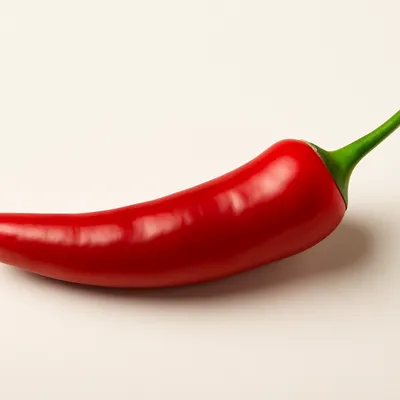
Finish each bowl with bean sprouts, sliced scallions, fresh chili rings, and a dash of fish sauce; serve immediately.
Archive tool suggestions — not reviewed
These legacy suggestions have not been evidence-reviewed and are not presented as required tools.


