
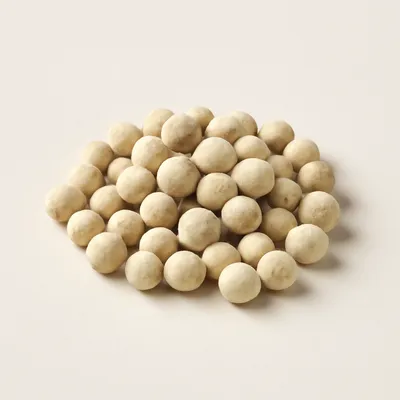
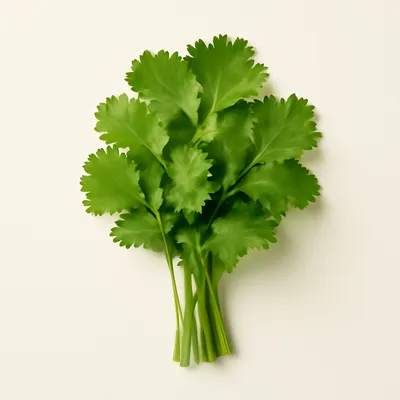
A clear hot-and-sour Shandong banquet soup built on wuyudan — the dried, processed nidamental gland of the female cuttlefish, not a true roe. The pale petals are peeled apart paper-thin and simmered in chicken stock seasoned with rice vinegar and white pepper, finished with a thin starch glaze, sesame oil, and cilantro.




A coastal specialty of the Jiaodong peninsula in Shandong, centered on Qingdao, Yantai, and Rizhao, where dried cuttlefish gland has been a local delicacy since at least the Qing dynasty — recorded among seafoods in Yuan Mei's Suiyuan Shidan (1792) and listed as imperial tribute. In the 1970s the Henan-born master chef Hou Ruixuan adapted the hot-and-sour version into the repertoire of the Diaoyutai State Guesthouse, where it became a state-banquet soup that Deng Xiaoping praised as 'the finest hot-and-sour soup in China.'
The petals are gossamer-thin and translucent, almost weightless on the spoon, with a soft slippery snap rather than the grain of true roe. The broth is clear, not thick — sourness from vinegar arrives first, then the dry heat of white pepper rising behind it, the two held in balance over a clean chicken-stock savoriness. Sesame oil and fresh cilantro lift the finish. A faint marine sweetness remains; any harsh fishiness means the gland was under-soaked.
Everything turns on rehydrating and de-aluming the dried gland. Brined in alum and salt, the petals carry residual astringency and fishiness, so they are started in cold — never boiling — water and brought up slowly; a violent boil shrinks and toughens them and locks in odor. After soaking they are peeled of their skin and torn into single translucent layers, then briefly blanched and rinsed to draw off alum and brine. The soup is a thin braise (hui): clear chicken stock seasoned with white pepper and a light starch slurry for body, with the rice vinegar added at the very end and off a hard boil — prolonged heat drives off its volatile aroma and dulls the sour edge. White pepper, not chili, supplies the heat, so the broth stays clear; sesame oil and cilantro go in last to preserve their fragrance.
Variations
The Jiaodong home style keeps the broth simple and sour-savory; the hot-and-sour version with pronounced white pepper is the banquet standard and the one carried into the Diaoyutai state menu (where it was further lightened — thin clear stock rather than a heavy glaze, and a milder sour edge). The dish is claimed by both Shandong (Lu) and Henan (Yu) cooking. Some cooks beat in a thread of egg white for a clouded soup, or enrich the stock with shredded chicken, sea cucumber, or winter-bamboo shoots.
On the Palate
Where Cuttlefish Roe Soup sits in the Chinese flavor cloud
Ingredients
Serves 4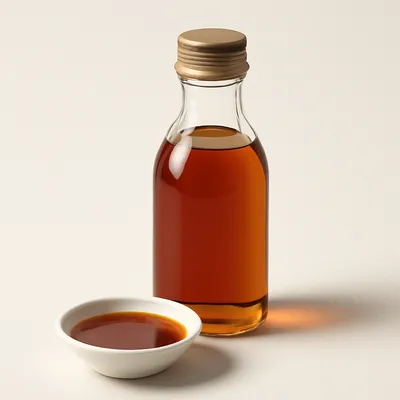

How it's made
7 steps · 20 min active + 20 min waiting
- 115 min
Soak the dried cuttlefish roe in cold water until softened, changing the water once or twice to draw out salt.
- 28 min
Put the softened gland in a pot of cold water, bring up slowly to a gentle simmer, and poach until cooked through; never let it hit a rolling boil.
Watch outStart the roe in cold water and bring it up slowly to a bare simmer — a rolling boil shrinks and toughens the petals and locks in the fishy odor.
- 36 min
Lift into cold water, peel off the outer skin, and tear the gland apart into single paper-thin translucent petals; rinse to remove alum and brine.
- 45 min
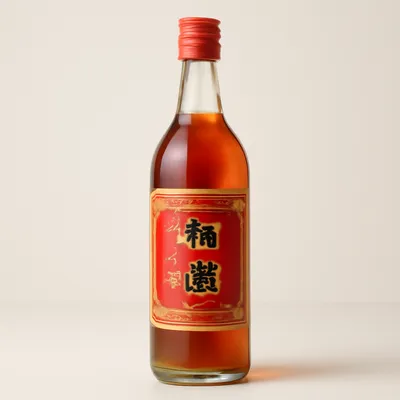
Bring clear chicken stock to a simmer, add the petals, then season with light soy, white pepper, salt, and a splash of Shaoxing wine; skim off any foam.
- 51 min
Stir in a thin cornstarch slurry to give the broth a light body, keeping it clear rather than gluey.
Watch outStir in a thin cornstarch slurry for just a light body — too much turns the clear soup gluey and cloudy.
- 61 min
Take off a hard boil and stir in rice vinegar to taste, so the sour aroma stays bright.
Watch outTake it off the hard boil before adding the vinegar — added over a violent boil, the sour aroma cooks off and goes flat.
- 71 min
Finish with a few drops of sesame oil and a scatter of chopped cilantro and scallion; serve hot.
Archive tool suggestions — not reviewed
These legacy suggestions have not been evidence-reviewed and are not presented as required tools.


