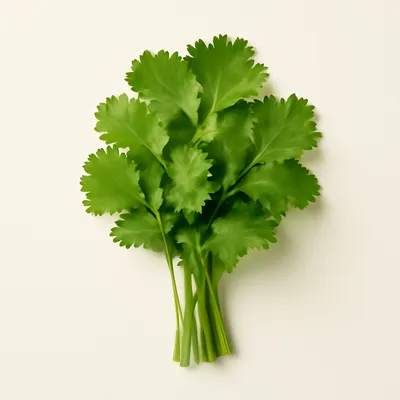
A Beijing Hui-Muslim classic from Hongbinlou restaurant: lamb omasum (散丹)—the third stomach compartment of the ruminant, named for its granular inner surface resembling medicine pellets—pre-simmered until tender, then flash stir-fried at high heat with a generous pile of fresh cilantro. The character 芫 (yán) in the dish name, meaning cilantro, is one of the least-recognised characters on any Beijing menu; the dish is as famous for being mispronounced as for its snappy, herbal flavour.





Hongbinlou (鸿宾楼) is the restaurant most closely associated with this dish and elevated Beijing's halal offal tradition—long popular in street food—to formal banquet status. 芫爆散丹 was selected as one of the 36 authentic Beijing dishes at the inaugural Chinese Beijing Cuisine Cultural Festival, confirming its position in the canonical repertoire of Beijing Muslim cookery. The name's obscure character 芫 (yán, from 芫荽, cilantro) became a local cultural reference point: modern media noted it as 'the dish name on the Beijing menu that no one can pronounce correctly.'
Snappy tender on first bite—omasum strips offer a light, clean resistance before yielding. Long simmering has softened the leaf-like folds without eliminating their characteristic fine texture. Fresh cilantro delivers a resinous, green punch that cuts through the natural richness, while a finish of sesame oil ties the two together.
The omasum's layered leaf-like folds are thin-walled with relatively sparse connective tissue—suited to a two-stage cook. Extended pre-simmering converts the connective tissue's collagen to gelatin, softening the folds without making them mushy. The subsequent high-heat stir-fry rapidly evaporates surface moisture, preserving inner juiciness while producing a light sear. Cilantro's principal aroma compound, trans-2-decenal, is thermally labile and decomposes rapidly above 100°C; adding cilantro only in the final ten seconds of cooking preserves the fresh herbal fragrance that defines the dish and suppresses residual gaminess.
Variations
Many modern Beijing restaurants substitute beef tripe (牛百叶/book tripe) for lamb omasum, as it is more readily available and milder in flavour. A richer version pre-simmers the tripe in a double stock of aged chicken and duck broth. A cold platter version, with cooked omasum dressed in cilantro oil and chilled, also appears at some establishments.
On the Palate
Where Cilantro-Blasted Lamb Tripe sits in the Chinese flavor cloud
Ingredients
Serves 2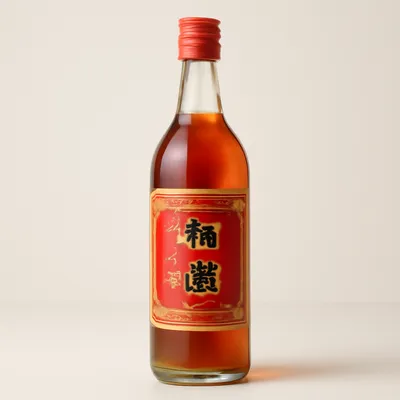



How it's made
7 steps · 30 min
- 130 min
Soak lamb omasum in cold salted water for 30 minutes; scrub the granular inner surface under running water until clean and odour-free.
- 292 min
Blanch with scallion and ginger in boiling water for 2 minutes; rinse; simmer on low heat for 1.5 hours until tender throughout.
Watch outSimmer the omasum an hour and a half until tender throughout — under-cooked it's rubbery, and no amount of quick frying later will fix it.
- 310 min
Drain and cool; peel away any dark outer membrane; cut into strips 5 cm long and 1 cm wide.
- 45 min
Bring stock or water to a boil; add omasum strips and cook 1 minute; drain and squeeze out excess moisture.
- 51 min
Heat wok over highest heat until smoking; add chicken fat or oil, then scallion threads, ginger, and garlic; stir-fry until fragrant, about 30 seconds.
Watch outGet the wok smoking-hot before the omasum goes in — that fierce heat sears fast and holds the juice; a lukewarm wok stews it limp.
- 61 min
Add omasum strips; splash in rice wine, light soy sauce, and a pinch of salt; stir-fry on full heat for 30 seconds.
- 71 min
Throw in cilantro pieces; toss for 10 seconds only; drizzle sesame oil; turn onto a plate and serve at once.
Watch outToss the cilantro in for ten seconds only — its fresh fragrance cooks off in moments over 100 degrees.


