A Linchuan township street classic from Fuzhou, Jiangxi: beef omasum, intestine, and liver simmered together with dried red chilies and fresh ginger into a boldly spiced, deeply savoury stew. Each offal piece brings its own texture — the omasum springs back with satisfying crunch, the intestine turns silky and yielding, the liver adds a mineral depth — all unified in a broth that is fiery, gingery, and addictive. Awarded China Famous Snack status in 2018.
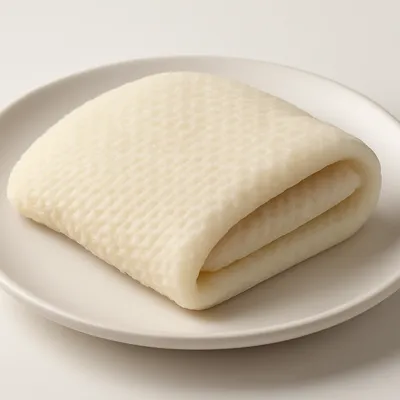
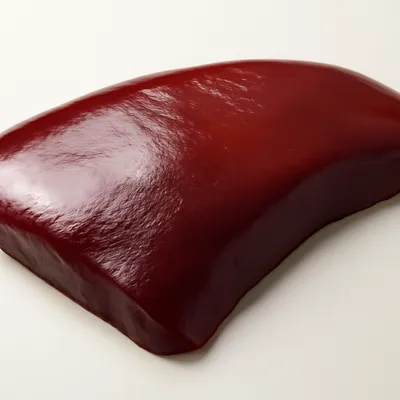




Linchuan's 上顿渡 township — a market town on the Fu River that has served as Fuzhou prefecture's commercial gateway for over a thousand years — developed its beef offal culture alongside the traditions of the agricultural hinterland, where cattle were the primary draught animal and every part of a slaughtered ox was carefully used. The combination of omasum, intestine, and liver in a chilli-ginger broth became the township's signature street dish, sold from early morning by vendors who had been slow-cooking the offal through the night. A local legend holds that the Northern Song statesman Yan Shu (991–1055), born in Linchuan, served beef offal to guests — but this story circulates in oral tradition without documented primary sources. 临川牛杂 has reportedly been awarded the title of Chinese Famous Snack (中国名小吃) by the China Hotel Association.
A tangle of omasum shreds springs back with genuine crunch — almost cartilaginous — releasing a burst of ginger-chilli broth as the folds compress. The intestine gives a softer, unctuous resistance before dissolving. The liver contributes a clean mineral note, its iron intensity kept in check by the ginger. By the time the chilli heat rises in the throat, the combined savour has already built into something complex and deeply satisfying, and the craving for another mouthful arrives before the last one has finished.
Beef omasum (the third stomach, 瓣胃) is composed of dense smooth-muscle bundles covered in folded mucosa. Blanching rapidly coagulates surface proteins, stiffening the fibres into their characteristic springy-crisp texture. Subsequent simmering at below-boil temperatures (85–90°C for 60 minutes) partially hydrolyses the intestinal wall's collagen — enough to shift the intestine from rubbery to silky, while omasum's thicker smooth muscle retains its crunch because smooth muscle fibres dehydrate more slowly under moist heat than skeletal muscle does. Liver, being dense in myoglobin and haem iron, is added only in the final minutes: proteins in liver coagulate rapidly above 70°C and become grainy and dry if overcooked. Capsaicin from dried chilies is fat-soluble and concentrates in the cooking oil during the initial stir-fry, dispersing evenly through the broth and producing sustained mucosal heat rather than a sharp spike.
Variations
The offal selection can expand to include beef tendon (牛筋) for an additional gelatinous layer, or oxtail for a richer, bone-marrow broth. A dry-stir-fried version (干炒牛杂) omits the broth, cooking everything down with doubanjiang and dried chilies over high heat for a powerfully spiced, chewy result. Some Linchuan vendors stir in vinegar-pickled cabbage (酸菜) at the end, adding tartness that cuts through the fat and brightens the flavour.
On the Palate
Where Linchuan Spiced Beef Offal sits in the Chinese flavor cloud
Ingredients
Serves 4

How it's made
7 steps · 40 min
- 115 min
Clean all offal meticulously: turn each omasum fold and rinse under cold running water for at least 5 minutes; rub intestines inside and out with coarse salt and a splash of vinegar, then rinse thoroughly; slice liver into 5mm slices and soak in cold water for 15 minutes, changing the water once, to draw out excess blood.
- 210 min
Blanch each offal type separately in boiling water: omasum 3 minutes, intestine 5 minutes, liver 90 seconds. Lift each from the water and immediately plunge into cold water to stop cooking. Drain. Cut omasum into 5cm shreds along the folds, slice intestine into 4cm rings, and keep liver slices separate.
Watch outBlanch each offal for only its own time — omasum 3 min, liver 90 sec — then straight into cold water; over-blanch and the crunch turns to rubber.
- 33 min
Heat vegetable oil in a wok over high heat until lightly smoking. Add ginger batons and dried chilies and stir-fry 30 seconds. Add garlic cloves and continue stir-frying until the aromatics are fragrant and the chilies have darkened slightly.
- 48 min
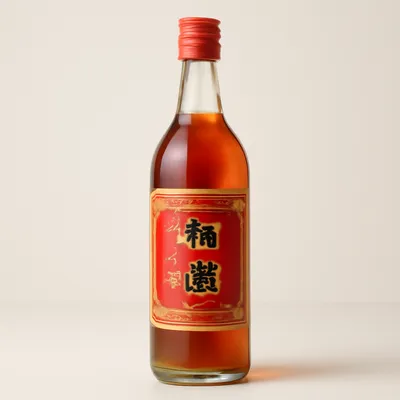
Add the omasum shreds to the wok first; stir-fry vigorously on high heat for 2 minutes. Add intestine pieces and stir-fry 1 minute more. Splash in Shaoxing wine and soy sauce and toss to coat everything.
- 560 min
Pour in enough hot water to generously cover all the offal. Bring to a full boil, then reduce heat to a gentle simmer, cover, and cook 60 minutes until the intestine is tender and the broth is richly flavoured.
- 65 min
Uncover and add the liver slices; stir gently once or twice. Simmer just 4–5 minutes — liver overcooks rapidly. Taste the broth and adjust salt.
Watch outSlip the liver in only for the last 4-5 minutes — it goes from silky to grainy and tough almost instantly if you forget it.
- 74 min
Add bean sprouts and stir through; cook 1 minute until barely wilted but still crisp. Ladle into bowls and finish with sliced scallions.


