苏帮名菜,苏州、无锡两地老饭店的看家菜。活鳝汆烫后划出鳝丝,旺火爆炒,再用湿淀粉勾一道浓芡,把汤汁紧紧裹在鳝丝上,堆成一座小山,中间扒出一个窝,填满葱花、姜丝、蒜泥。上桌前浇一勺滚烫的热油,「滋啦」一声、油花四溅,葱蒜香气轰地激发出来——「响油」之名由此而来。芡浓成糊、几乎不见汤,是它区别于汤汁较多的「响油鳝丝」的关键。




A Suzhou–Wuxi (Su-Xi) classic of the Jiangsu kitchen, kept on the menus of old Suzhou houses such as Songhelou and Deyuelou. The name spells out the dish: 'eel paste' (shan-hu) because a heavy starch glaze binds what little sauce there is into a paste that coats the shreds, and 'sizzling oil' (xiang-you) because a ladle of smoking-hot oil is poured over the scallion-filled well at the table, hissing and spattering as it lands. This makes it the thicker, gravy-bound Su-Xi cousin of the looser, soupier 'sizzling-oil eel shreds' served around Shanghai. Eel is at its prime in the weeks around Lesser Heat (early July); a southern saying holds that 'summer eel at Lesser Heat rivals ginseng,' and the dish belongs to that warm-weather tonic season.
Glossy, near-black shreds heaped into a low mound, the well in the middle bristling with raw scallion, ginger and garlic — still snapping from the oil just poured over them. The eel is tender and faintly slippery, each strand sheathed in a thick, savory-sweet glaze rather than swimming in sauce. White pepper warms the back of the throat; the scalded-then-fried scallion and garlic give a sharp, toasty lift. Best mounded over hot rice, the paste loosening into every grain.
Three steps make the dish. First, knife work: live eel is scalded in just-boiling water until the body curls and the flesh loosens from the bone, then pressed flat and sliced into long shreds. Scalding both kills the eel cleanly and sets the surface so the strands hold their shape in the wok. Second, the glaze: after a hard, fast stir-fry, a wet-starch slurry is stirred in so the gelatin from the eel and the starch tighten the sauce into a clinging paste — leave too little starch and it is no longer a 'paste' but loose shreds. Third, the sizzling oil: a ladle of oil heated until it just smokes is poured over the raw scallion, ginger and garlic in the well. The shock of heat — well above the boiling point of water — flash-cooks the aromatics, and the audible 'sizzle' is water in them flashing to steam; that same heat drives off the volatile sulfur compounds in scallion and garlic and the aromatic oils in ginger all at once, so the whole dish blooms with fragrance the instant it reaches the table. The cooking fats themselves carry flavor: tradition calls for lard, scallion oil and sesame oil in turn ('three oils, three rounds').
Variations
Old houses fold in slivers of winter bamboo shoot and ham for extra savor; some finish with a pinch of sugar for the dark, sweet-savory Su-Xi profile. The looser, soupier rendering with more sauce and less starch is 'sizzling-oil eel shreds,' common around Shanghai. Lighter Huaiyang treatments of the same eel run toward 'soft-tied eel' (ruan-dou) and the crisp-fried Wuxi style.
On the Palate
Where Sizzling-Oil Eel sits in the Chinese flavor cloud
Ingredients
Serves 3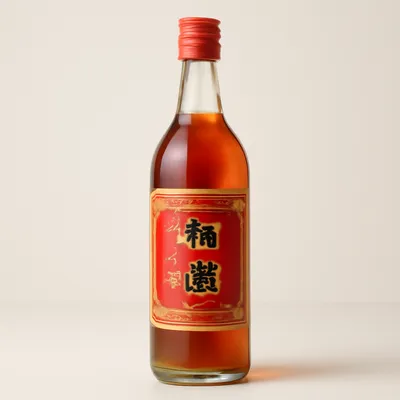


How it's made
8 steps · 40 min
- 15 min
Scald live eel in just-boiling water until the bodies curl and the flesh loosens; lift out at once and cool.
Watch outScald the eel only until the bodies curl and the flesh loosens from the bone, then pull it at once — this sets the surface so the shreds hold shape; overdone and they fall to mush.
- 28 min
Press each eel flat and slice into long shreds; rub with a little salt to strip the slime, rinse and drain well.
- 34 min
Render lard in a wok over high heat and fry chopped scallion until fragrant; add the eel shreds and stir-fry hard until they tighten.
- 45 min
Splash in Shaoxing wine, then season with soy sauce, dark soy for color, a little sugar and salt; add a small ladle of stock and braise a few minutes.
- 52 min
Stir in a wet-starch slurry and toss until the sauce thickens to a clinging paste with almost no free liquid.
Watch outStir in the wet starch and toss until the sauce tightens into a paste that clings to the shreds with almost no loose liquid — too little starch and it's just wet shreds, not a paste.
- 63 min
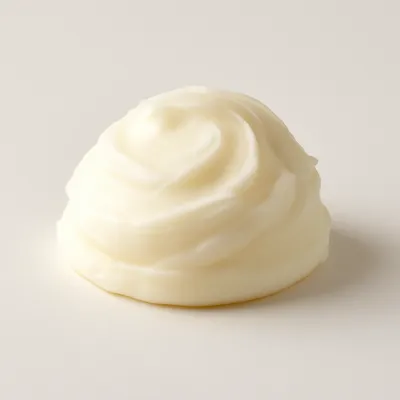
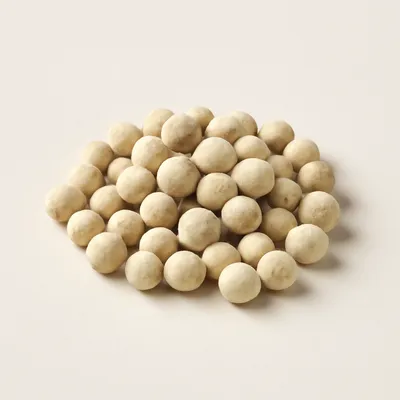
Mound the eel paste on a plate and press a well in the center; pile raw scallion, slivered ginger and crushed garlic into the well, with white pepper over the top.
- 71 min
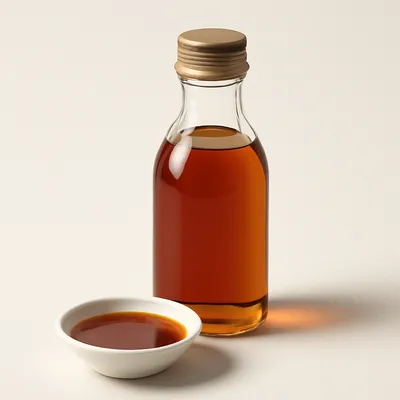
Heat fresh oil (with sesame oil) until it just smokes, then pour it over the aromatics so the dish sizzles and spatters.
Watch outHeat the oil until it just wisps smoke, then pour it over the raw garlic and scallion so the plate sizzles and spatters — that sear on the aromatics is the whole point; lukewarm oil just sits there.
- 81 min
Carry to the table while it is still audibly sizzling and serve at once.


