No heat required — century egg wedges set on chilled silken tofu, dressed with soy and sesame oil in minutes: two ancient Chinese food traditions on one plate, perfectly counterbalanced.




Century eggs originated in early Ming Dynasty Hunan Province: according to widespread historical accounts, duck eggs accidentally preserved in a lime pit in Yiyang (益阳), Hunan were found intact and edible after long exposure, spurring deliberate production. One of the earliest print records appears in a late-Ming household almanac, where the egg was still called 混沌子 (hundun zi, 'chaos egg'). The pairing of century egg with chilled silken tofu as a cold appetizer (凉菜) became widespread in Chinese restaurants during the 20th century, spreading through Hong Kong, Taiwan, and overseas Chinese communities to become perhaps the most recognizable Chinese cold starter globally.
The tofu is cold, silky, and almost impossibly smooth; the century egg arrives in waves — first the sulfurous, alkaline note that some find confronting, then the underlying savory depth, and finally the clean sesame and scallion that the dressing sends over the top to resolve the whole thing into something quietly addictive.
Century egg production is driven by strong alkali (pH 12–14): hydroxide ions penetrate the eggshell via its pores, denaturing the egg white proteins (ovalbumin) into a dark, translucent gel. Hydrogen sulfide released from sulfur-containing amino acids (methionine, cysteine) in the yolk reacts with iron to form ferrous sulfide, producing the characteristic dark grey-green center. The 'pine flower' patterns on the egg white are crystallized amino acid salts. Silken tofu — coagulated from hot soy milk using gypsum (calcium sulfate) — provides a protein-rich, neutral-flavored backdrop whose cold temperature and mild taste directly offset the century egg's intense alkaline punch. A few drops of sesame oil create a competitive aromatic masking in the nasal passage, dramatically improving the overall palatability.
Variations
Taiwan versions add dried bonito flakes (柴鱼片) and pork floss for extra umami and texture. A spicy version replaces the soy dressing with doubanjiang and chili oil (麻辣版). Crispy shallots (油葱酥) scattered over the top add fragrant crunch. Japanese silken tofu can substitute for Chinese silken tofu for an even smoother texture.
On the Palate
Where Century Egg with Tofu sits in the Chinese flavor cloud
Ingredients
Serves 2
How it's made
6 steps · 10 min active + 30 min waiting
- 130 min
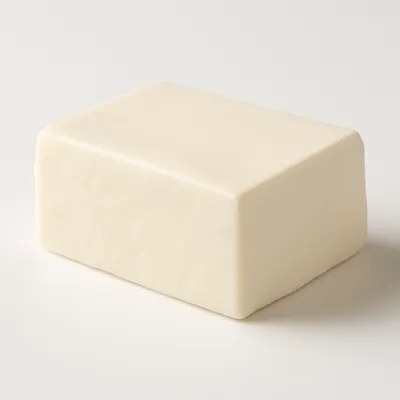
Place the block of silken tofu (still in its packaging if possible) in the refrigerator for at least 30 minutes to chill thoroughly.
Watch outChill the silken tofu until the block feels cold all the way through — a cold, firm block turns out intact and its coolness sets off the room-temperature century egg.
- 23 min
Peel the century eggs carefully; rinse briefly under cold water. Quarter each egg lengthwise to reveal the dark center.
Watch outCut the peeled century egg into clean lengthwise quarters so each piece shows the jade-green center — a dull knife smears the soft yolk instead of revealing it.
- 32 min
Open the tofu; drain away any excess liquid. Turn the block out intact onto a flat serving plate and score it lightly into rough squares.
- 42 min
Arrange the century egg quarters on top of the tofu, cut-side up to display the jade-green center.
- 52 min
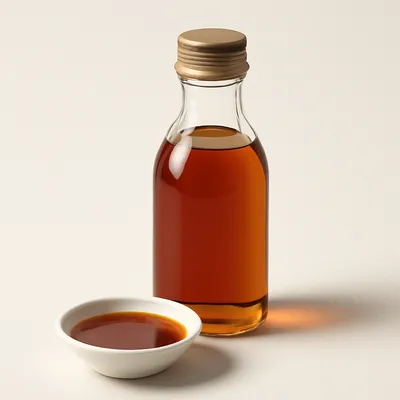
Whisk together light soy sauce, sesame oil, a pinch of sugar, and finely minced garlic; pour evenly over the tofu and eggs.
- 62 min
Garnish with finely sliced scallion and fresh chili rings; serve immediately while the tofu is cold and the dressing freshly applied.


