A bedrock Cantonese stir-fry: velveted beef tossed at high heat with whatever green is in season — most classically gai-lan (Chinese broccoli) — and bound in a glossy oyster-sauce gravy. The beef is sliced thin across the grain, tenderized and marinated so it stays silky, then flashed in oil and set aside; the greens are stir-fried until jade and crisp-tender, and the two are brought together with garlic, ginger, and oyster sauce in seconds over a roaring flame. The plate is dark and lacquered, the beef tender enough to barely chew, the greens bright and snapping. 'Seasonal greens' (时菜) means the dish changes with the market — gai-lan, choy sum, kale, snow peas — over the same tender beef.





A core dish of everyday Cantonese cooking rather than one tied to a place or date — the standard pairing of velveted beef with a seasonal green, found in homes, tea houses, and restaurants throughout Guangdong and Hong Kong. 'Shi cai' (时菜, 'seasonal greens') is the menu convention itself: the kitchen uses whatever leaf vegetable is freshest, so the dish appears as beef with gai-lan, beef with choy sum (菜心牛肉), beef with snow peas, and so on, the protein and method constant. It belongs to the broad family of oyster-sauce beef (蚝油牛肉), a dish that rests entirely on the Cantonese technique of velveting (上浆/腌牛肉) to keep cheap, lean stir-fry beef tender — the same skill that defines beef chow fun and beef in black-bean sauce.
The beef is the marvel: sliced thin across the grain, it offers almost no resistance — silky, slippery, juicy, parting cleanly without the dry chew of overcooked stir-fry beef — and carries the dark, savory-sweet depth of oyster sauce with a whiff of wine and ginger. Against it the greens snap: gai-lan stems are crunchy and faintly bitter-sweet, the leaves tender, blanched-bright under the lacquered sauce. The gravy is thin and glossy, coating everything without drowning it, salty and umami with a hint of sugar to round it. Done right the beef is tender and the greens vivid; let the beef sit too long in the wok and it toughens and greys, and the greens dull from jade to olive.
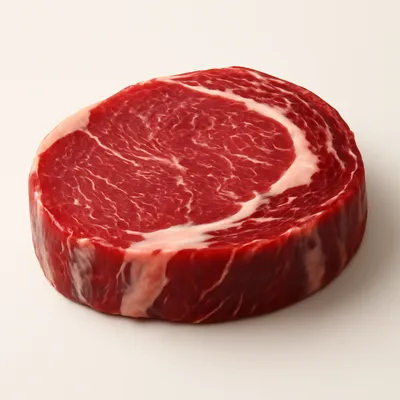
The dish lives on velveting the beef — the Cantonese technique that turns lean, tough stir-fry cuts silky. The beef is sliced thin across the grain to cut the muscle fibers short, then worked with a marinade of water, a little sugar and soy, often a pinch of baking soda, and finally a coat of cornstarch and oil. The baking soda is the key chemistry: it raises the meat's surface pH away from beef's natural point, which increases the electrostatic repulsion between the muscle proteins, swells the filament lattice so it absorbs and holds far more water, and lowers the shear force needed to bite through — the result is that tender, slippery 'velvet' mouthfeel. The cornstarch gelatinizes into a thin film that seals in juice and protects the meat from the fierce heat, and the oil keeps the slices separate. The beef is flashed in hot oil only until it loses its red, then removed; the greens are cooked apart so they keep their crunch and color; and the two are combined in a final few-second toss with the oyster-sauce slurry, which thickens just enough to gloss. Over-marinating with soda leaves a soapy, mushy, off-tasting meat — a pinch and a short rest is the line.
Variations
The green is the variable: beef with gai-lan is the classic, but choy sum (菜心牛肉), kale, snow peas, lettuce, bitter melon, or seasonal leafy greens all stand in over the same velveted beef. The sauce can lean further into oyster sauce, or shift to black-bean (豉椒牛肉), satay (沙茶牛肉), or ginger-and-scallion (姜葱牛肉). Some versions plate the beef and greens separately, the beef on top; others fold them. The same tender beef underlies beef chow fun and clay-pot beef. Sirloin or flank are usual; the cut matters less than the cross-grain slicing and the velveting, which can rescue even cheap beef into silk.
On the Palate
Where Beef with Seasonal Greens sits in the Chinese flavor cloud
Ingredients
Serves 3
How it's made
6 steps · 12 min active + 28 min waiting
- 122 min
Slice the beef thin across the grain. Mix with a little water, sugar, soy, and a pinch of baking soda until the water is absorbed, then coat with cornstarch and a spoon of oil; rest 20 minutes.
Watch outWork the marinade in until the water's fully absorbed, then coat and rest — that's what velvets the beef silky-tender.
- 23 min
Trim the gai-lan, splitting thick stems; blanch briefly in salted water with a drop of oil until jade and crisp-tender, then drain.
Watch outBlanch the gai-lan only to jade and crisp-tender — over-blanched it goes drab and limp in the final toss.
- 32 min
Heat oil in a wok until hot and flash the beef just until it loses its red; lift out and set aside.
Watch outFlash the beef just until it loses its red, then lift it out — leave it in and it overcooks tough before the toss even starts.
- 42 min
In the same wok, fry the garlic and ginger, return the gai-lan, and toss over high heat.
- 51 min
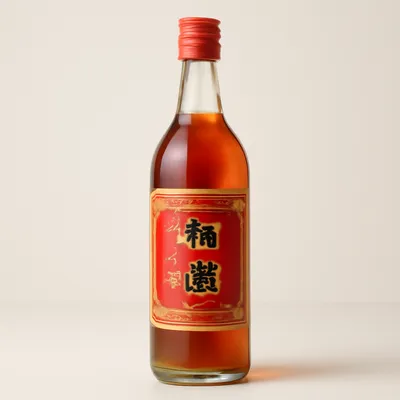
Return the beef, add oyster sauce, a splash of wine, and a little sugar, and toss everything together for a few seconds.
- 61 min
Bind with a thin cornstarch slurry until the sauce glosses, then plate and serve immediately.