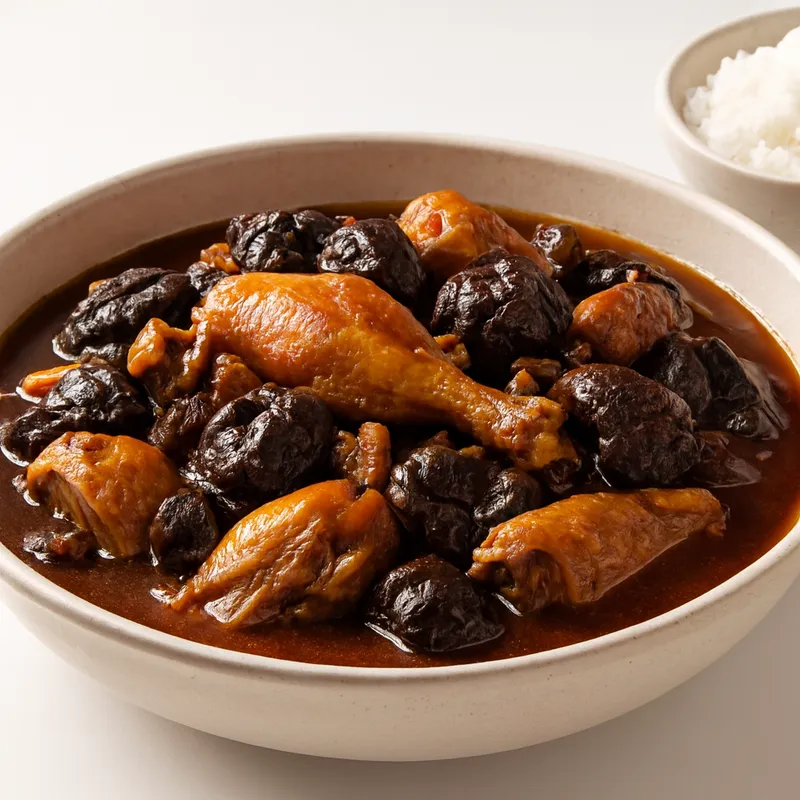
Hand-formed fish balls from the Paizhou Bay reach of the Yangtze River in Jiayue County, Hubei—a certified Chu cuisine flagship. Whole river carp is hand-scraped and beaten with pork fatback and egg white into a springy emulsified paste, formed into generous rustic rounds, and double-steamed for a snow-white, silky, completely boneless result.




Jiayue County sits on the southern bank of the Yangtze in Hubei, where the Paizhou Bay—specifically the Xiliu Bay reach of this section of the river—has historically provided some of the province's finest freshwater fish. Fish-ball making is rooted in the wider Jianghan Plain aquatic tradition: a region crisscrossed by lakes, rivers, and wetlands whose cooks developed fish-paste preparations—balls, cakes, rolls—as a method to transform large, spine-laden river fish into elegant, boneless festival foods. The two-stage steaming technique particular to Paizhou Bay fish balls—a first steam to set the protein casing, a brief rest, then a second steam to cook through—is a local refinement that yields an unusually silky interior without the rubberiness caused by prolonged single-stage steaming. Certified among Hubei's 21 flagship Chu cuisine standards in December 2020.
Snow-white orbs with a gentle, yielding spring—bite through and the flesh collapses cleanly into a sweet, briny river-fish flavour with zero fishiness and zero bone, the pork fatback dissolved invisibly through the paste as a ghost of richness. In clear broth, the surrounding liquid takes on the fish's sweetness within minutes.
The springy texture of fish balls depends on myosin-actin gel formation: when fish paste is beaten vigorously with salt, the major muscle proteins unfold and align, then form a tight three-dimensional gel network upon heating at 60–70°C, producing elasticity proportional to the completeness of the protein unfolding and cross-linking. Pork fatback emulsifies fat droplets into the protein matrix—softening elasticity and dramatically improving moisture retention, preventing the graininess of a too-lean paste. Egg white contributes ovalbumin, which denatures at approximately 80°C and reinforces the gel with an additional protein scaffold. The two-stage steam (100°C for 5 minutes, rest, then 4 more minutes) is critical: the first pass sets the outer protein shell while the core temperature remains below 80°C; the rest period allows heat to equalise inward; the second pass finishes the centre without over-contracting the outer layers, which would create a rubbery shell encasing a grainy interior.
Variations
The fish balls are most commonly served in a clear ginger-scallion broth as a soup course. Some Hubei households mix diced water chestnuts into the paste for textural contrast. A festive banquet presentation steams the balls on a bed of spinach or napa cabbage, then naps them with a light starchy sauce. Dipping in a chilli-garlic sauce is a popular street-food variant.
On the Palate
Where Paizhou Bay Fish Balls sits in the Chinese flavor cloud
Ingredients
Serves 4

How it's made
7 steps · 45 min
- 130 min
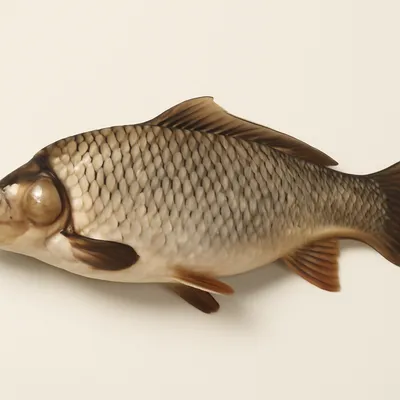
Fillet a fresh carp or grass carp (about 1.8 kg); skin the fillets. Using a spoon or the back of a knife, scrape the flesh away from the skin in one direction, collecting only boneless muscle tissue. Refrigerate the scraped flesh 30 minutes to firm it.
- 25 min
Chop or briefly pulse the chilled fish flesh in a food processor until it forms a very fine, sticky paste. Transfer to a large bowl.
- 35 min
Add finely minced pork fatback (20 g), 1 egg white, cornstarch (10 g), salt (1 tsp), white pepper (½ tsp), and 80 ml ice-cold water. Beat the paste vigorously in one direction with chopsticks or a spatula for 5 minutes until it becomes glossy, elastic, and clings to the bowl wall.
Watch outBeat the paste vigorously in one direction five minutes until it's glossy, elastic and clings to the bowl wall — that gelling is what makes the balls spring back; under-beaten, they're mealy.
- 420 min
Stir in scallion-ginger water (2 scallion stalks and 15 g ginger soaked in cold water, liquid strained) until fully incorporated. Refrigerate the paste 20 minutes to allow the protein network to relax and firm.
- 510 min
Fill a bowl with cold water. Wet one hand; scoop a rounded tablespoon of paste and squeeze it through the ring formed by your thumb and index finger to produce a 4–5 cm ball. Set on a lightly oiled steaming rack. Repeat with the remaining paste.
Watch outSqueeze each ball out through your thumb-and-finger ring into cold water — the cold firms the surface so they hold shape before steaming.
- 68 min
Steam over vigorously boiling water on high heat for 5 minutes; remove the rack from heat and let rest 3 minutes off the steam.
- 74 min
Return to high heat and steam again for 4 minutes until the fish balls are fully cooked, smooth, and gleaming white. Ladle into bowls of hot clear broth with ginger slices and scallion greens and serve immediately.
Archive tool suggestions — not reviewed
These legacy suggestions have not been evidence-reviewed and are not presented as required tools.