An elaborate Bengbu showpiece: whole phoenix-tail shrimp embedded in a dome of chicken-pork-scallop forcemeat, moulded in individual soup spoons, steamed to set their lute-like form, then coated in sesame-studded egg-white batter and fried golden. Each piece arrives with its crimson tail curling upright like the tuning peg of a pipa.




Pipa shrimp belongs to the tradition of moulded forcemeat dishes — zhiang cai — that spread from northern Jiangsu banquet cooking into Anhui's Yanhuai school. The pipa shape, evoking the four-stringed Chinese lute, is a recurring motif in Chinese banquet cuisine chosen to signal cultural refinement. The Bengbu version distinguishes itself by using locally sourced phoenix-tail river shrimp alongside bamboo shoots and mushrooms, and by applying a sesame-studded egg-white batter rarely seen in the Jiangsu originals, making it a distinctive Yanhuai dish in its own right.
The sesame crust crunches without any grease, releasing a nutty warmth; within, the three-meat forcemeat is springy and faintly sweet from the scallops, while slivers of bamboo shoot add a cool, vegetal snap. The shrimp tail, left whole, delivers a final burst of fresh prawn sweetness.
The sesame-coated egg-white batter creates a two-phase frying structure. The outer sesame layer toasts rapidly in hot oil, releasing pyrazine and furan compounds responsible for nutty roast aromas. Beneath it, the egg-white foam forms a thin insulating steam pocket that slows heat transfer into the forcemeat, preventing overcooking. The forcemeat's springy texture arises from myosin extraction: vigorous unidirectional stirring of the shrimp-chicken-pork paste develops actomyosin protein networks that gel firmly on steaming. Pre-steaming before frying ensures the interior is fully set, so the final fry needs only to achieve crust colour and crispness, keeping high-heat exposure brief and the filling tender.
Variations
A lighter version omits the pork fat and increases scallop content, producing a more delicate, translucent forcemeat suited to modern palates. Street stalls in Bengbu sometimes skip the spoon-mould step, pressing the shrimp-and-filling flat into oval patties before battering and frying, calling the result 'fried shrimp cakes.' A Huai River variation substitutes freshwater river shrimp for sea shrimp and water chestnuts for bamboo shoots.
On the Palate
Where Fried Pipa Shrimp sits in the Chinese flavor cloud
Ingredients
Serves 4

How it's made
9 steps · 35 min active + 10 min waiting
- 110 min
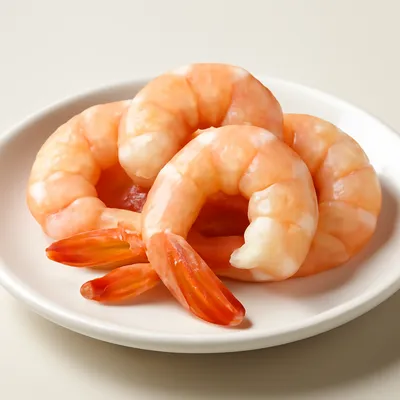
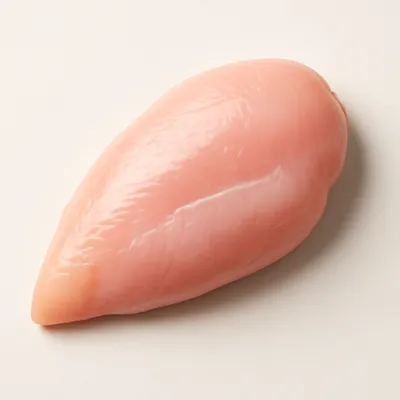
Devein the phoenix-tail shrimp, leaving the tail shell attached; pat dry. Finely mince the chicken breast and pork back fat into separate smooth pastes.
- 28 min
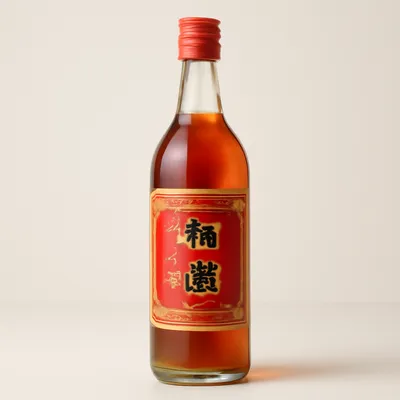
Combine the chicken paste, pork fat paste, and any shrimp trimmings in a bowl. Add egg white, potato starch, salt, white pepper, and Shaoxing wine; stir vigorously in one direction until the mixture pulls away from the sides, is springy, and holds a soft peak on a spoon.
Watch outStir the paste hard in one direction until it turns springy and pulls from the bowl and holds a soft peak — that's the myosin gelling; a slack paste won't set firm.
- 33 min
Fold in bamboo shoot shreds and rehydrated mushroom shreds; mix gently until evenly distributed.
- 410 min
Lightly grease 20 soup spoons with a little rendered lard. Lay one shrimp in each spoon with its tail end extending over the handle. Press a rounded portion of filling over the shrimp body, smoothing the surface to a dome.
- 57 min
Steam the filled spoons over vigorously boiling water for 5 minutes until the filling sets firm. Remove, cool for 5 minutes, then unmould gently onto a tray.
Watch outPre-steam just until the filling sets firm — this cooks the inside through so the later fry only has to crisp the coating.
- 68 min
Whisk 3 egg whites to soft peaks; fold in sifted plain flour, potato starch, sesame oil, and a pinch of salt to form a thick batter. Dip each moulded piece in batter, then press firmly into white sesame seeds on all sides.
- 74 min
Heat oil to 170°C. Fry the sesame-coated pieces in batches for 2–3 minutes, turning once, until the sesame is set and pale gold. Drain briefly.
Watch outFirst fry at 170度 only until the sesame sets pale gold — too hot and the sesame scorches bitter before the crust firms.
- 82 min
Raise oil temperature to 200°C; return all pieces for 30 seconds to fully crisp the crust. Drain on a wire rack.
Watch outFlash-fry at 200度 for just 30 seconds to crisp the shell — any longer and the sesame darkens and turns bitter.
- 93 min
Arrange with tails pointing upward; serve immediately alongside Sichuan pepper salt and sweet bean sauce.
Archive tool suggestions — not reviewed
These legacy suggestions have not been evidence-reviewed and are not presented as required tools.


