"Head-broth noodles" is the Suzhou morning ritual: regulars arrive before dawn for the first pot of the day—the soup clearest, the noodles freshest. A thick slab of four-hour braised pork belly crowns the bowl, collapsing at the touch of chopsticks; its mahogany sauce bleeds into thin, springy noodles with quiet, unfussy richness. Zhuhongxing, founded in 1938, remains the pilgrimage destination.




Suzhou's noodle tradition traces to Qing-dynasty teahouses, where bowls of noodles accompanied tea service and gradually separated into their own meal. By the 1930s, established shops such as Tongdexing (同德兴) and Luchangxing (陆长兴) had formalized braised pork as a signature topping. In 1938, Zhu Chunhong opened Zhuhongxing noodle house at Fish Trade Bridge (鱼行桥, today at the junction of Renmin Road and Jiyou Alley), hiring veteran cook Lu Fusheng; the shop was designated a national time-honored brand in 2006. In 2024, Songhe Lou was newly designated a protection unit for the Suzhou-style noodle-making technique under Suzhou's eighth-batch intangible cultural heritage announcement.
A gentle prod and the braised pork dissolves into the noodles; the broth is limpid yet deeply savory—a bowl that manages to be both austere and intensely satisfying.
Slow braising drives three overlapping reactions in pork belly: caramelization of rock sugar above 160 °C in the initial high-heat stage forms the mahogany coating; Maillard browning between soy sauce reducing sugars and pork amino acids builds complex meat aroma; and sustained low-heat simmering (70–80 °C over hours) hydrolyzes triple-helix collagen in connective tissue into gelatin, giving the meat its signature 'trembling-yet-cohesive' texture. The broth turns milky not from impurities but from phospholipid-emulsified fat droplets scattering light; dissolved glutamate from bones and inosinate from eel bones combine to amplify umami.
Variations
Beyond braised pork, Suzhou noodle toppings span exploded fish (sweet-vinegar fried fish pieces), three-shrimp (tail meat, roe, and brain), fried eel, and the summer-exclusive pale-broth pork (枫镇大肉). Autumn brings crab roe toppings. Ordering 'double toppings' (双浇) combining two favorites is a beloved local indulgence.
On the Palate
Where Suzhou Braised-Pork Noodles sits in the Chinese flavor cloud
Ingredients
Serves 2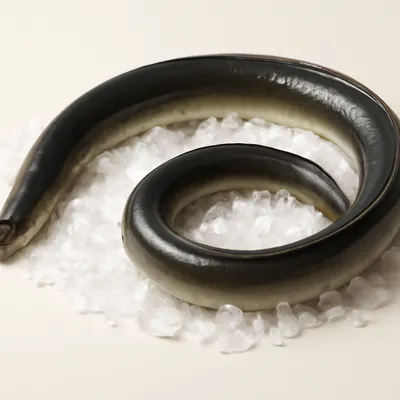



How it's made
7 steps · 30 min active + 4 hours waiting
- 115 min
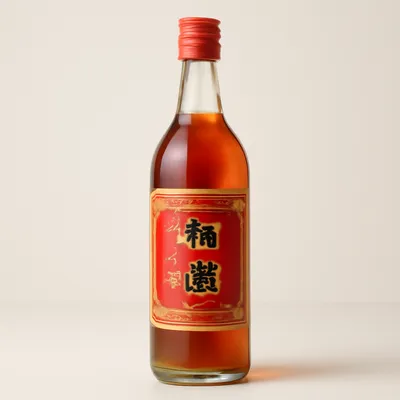
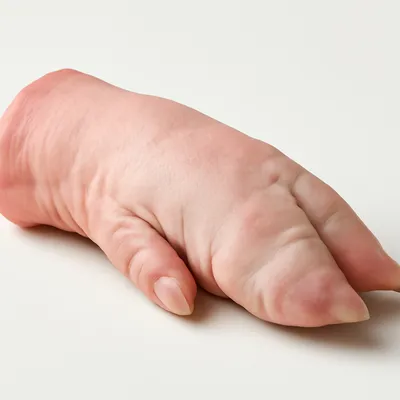
Make the base broth: place pork trotters, eel bones, and chicken carcass in cold water, bring to a boil, skim foam, then reduce to the lowest possible simmer and cook for 4–6 hours without adding salt; strain and reserve the milky-white stock.
Watch outSimmer the bones at the lowest heat for hours with no salt until milky-white — early salt and hard boiling cloud and flatten the stock.
- 25 min
Prepare the braised pork: score the skin of a 500g pork belly block in a crosshatch, blanch in boiling water for 3 minutes to remove impurities, then drain and pat dry.
- 35 min
Combine light soy sauce, dark soy sauce, Shaoxing rice wine, rock sugar, scallion knots, and ginger slices in a heavy-bottomed pot; add the pork belly skin-side up and pour broth to just cover; bring to a rolling boil.
- 4240 min
Reduce to the absolute lowest flame, cover tightly, and braise for 3–4 hours, turning the pork once at the midpoint; the pork is done when a chopstick pierces it effortlessly and the skin turns deep mahogany.
Watch outBraise at the absolute lowest flame until a chopstick slides through and the skin turns deep mahogany — a hard boil dries the meat and never sets that trembling texture.
- 510 min
Remove the braised pork and bring the remaining braising liquid to high heat; reduce until it coats a spoon, about 8–10 minutes; slice pork into thick rectangular pieces.
- 65 min
Bring a large pot of plain, unseasoned water to a rolling boil; add fresh thin Suzhou-style noodles and cook for 90 seconds until just al dente; drain directly into pre-warmed deep bowls.
Watch outDrop the noodles into plain unsalted water and pull at a firm 90 seconds — they keep softening in the hot broth, so slightly underdone is right.
- 72 min
Ladle hot base broth over the noodles, lay one or two slices of braised pork on top, and finish with a small spoonful of lard for sheen and fragrance; serve at once.
Archive tool suggestions — not reviewed
These legacy suggestions have not been evidence-reviewed and are not presented as required tools.


