
A Jiangxi home dish of grass carp coated in toasted, spiced ground rice and steamed — the fish cousin of the better-known steamed pork with rice flour. The carp is sliced thin, dressed with chili and ginger, rolled in coarse roasted rice powder, and steamed over a bed of leaves or taro that soaks up the drippings. It comes out golden and fresh-hot, the fish silky, the powder soft and grain-fragrant, with no fishy edge. Jiangxi is in fact the home of the rice-powder steaming method, and this is its everyday fish version.
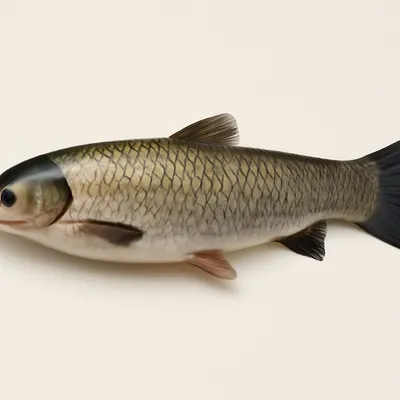




A province-wide Jiangxi home dish, with its most celebrated form in the Hakka south around Xingguo, where the same rice-flour steamed carp is dressed up into the banquet centerpiece 四星望月. Jiangxi is widely held to be the birthplace of the 粉蒸 'steam-in-rice-flour' technique, which travelled out as the familiar steamed pork; applied to the river fish that fill the province's ponds and paddies, it gives this plainer everyday dish. There is no fixed origin date — it is farmhouse cooking, named simply 米粉鱼 or 粉蒸鱼, the 'rice-powder fish.'
The fish steams up golden and tender, the slices just set and still slippery within their soft coat of rice. The powder, fattened on the oil the carp gives off, turns moist and faintly sticky and carries a roasted, grain-sweet aroma; the chili and ginger keep it fresh-hot and clean. Beneath, the leaf or taro bed has caught the savory drippings. It is a gentle, homely plate — no fishiness, no heaviness, just soft rice, silky fish and a bright edge of heat over rice.
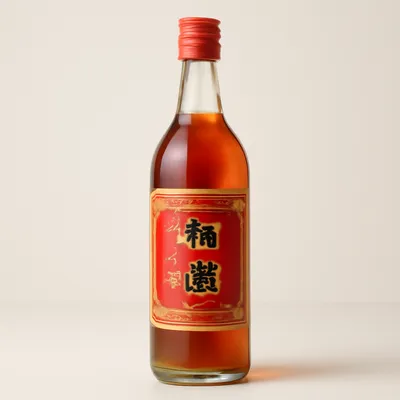
Rice powder does the work and means almost no added oil is needed. Packed around the fish, it drinks up the oil and juices the carp releases as it steams, so nothing runs off and the fish stays moist instead of drying out; saturated, the powder itself goes soft and savory. The rice is toasted raw before being ground coarse — the toasting builds a nutty, roasted aroma, and the coarse grind keeps a little grain rather than turning to paste. Chili, ginger and wine clear the fishiness. The steam is gentle and brief; pushed too long, the carp toughens and the freshness fades.
Variations
The bed beneath the fish varies with the household — vegetable or lotus leaves most often, taro slices in Xingguo, sometimes sweet potato or radish; all are there to catch the drippings. Many cooks first dust the carp in sweet-potato starch to keep the slices silky. The rice powder may be bought ready-made or toasted at home with star anise, Sichuan peppercorn, cassia and bay for a five-spice note. The same dish dressed up in a bamboo basket and ringed with four side plates becomes Xingguo's 四星望月.
On the Palate
Where Jiangxi Rice-Flour Steamed Fish sits in the Chinese flavor cloud
Ingredients
Serves 4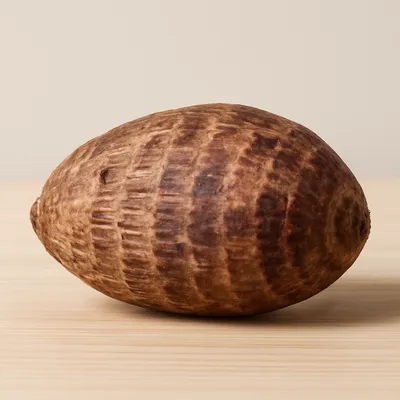

How it's made
5 steps · 30 min
- 120 min
Toast raw rice in a dry pan over low heat with star anise, a little Sichuan peppercorn and cassia until golden and fragrant, then grind coarse (or use ready-made steaming rice flour).
Watch outToast the raw rice only to golden and fragrant before grinding — the toasting builds the nutty aroma, and a coarse grind keeps some grain rather than going to paste.
- 215 min
Split the grass carp and slice it thin; marinate with Shaoxing wine, light soy, minced ginger, chili paste and a little oil, then dust in sweet-potato starch.
- 35 min
Toss the fish thoroughly with the toasted rice powder so every slice is coated.
- 414 min
Line a dish or bamboo basket with vegetable leaves or taro slices, lay the coated fish over, and steam over high heat 12-15 minutes until just cooked.
Watch outSteam just 12 to 15 minutes to barely-done — push the carp longer and it toughens and the freshness fades.
- 52 min
Scatter scallion and a little fresh chili over the top, and serve hot over rice.
Archive tool suggestions — not reviewed
These legacy suggestions have not been evidence-reviewed and are not presented as required tools.


