
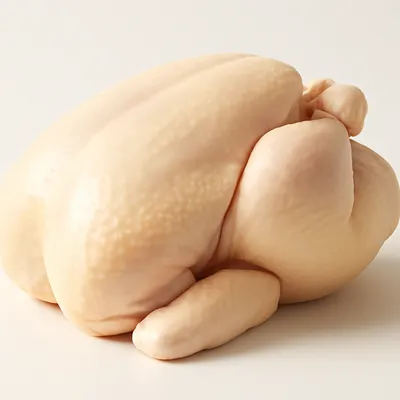
Jingning roast chicken (静宁烧鸡), also called Jingning brined chicken (静宁卤鸡), is the celebrated chicken of Jingning county in Pingliang, eastern Gansu. A whole young chicken is dressed and trussed, brushed with maltose syrup and deep-fried until the skin turns deep golden, then simmered for hours in a long-kept spiced master stock until the meat is tender to the bone. The finished bird is glossy and reddish-brown, the skin taut, the flesh savory and richly aromatic without being greasy. It is sold whole or in halves by old-established shops to be torn apart and eaten by hand, and is a classic roadside food bought by travelers along the old Xi'an–Lanzhou highway, often with flatbread.


Jingning roast chicken is the chicken of Jingning, long a waystation on the road west out of Shaanxi into Gansu, where cooks brined and sold birds to passing traders and travelers. Its documented brining tradition runs to about a century; folk accounts that push its age back to the Tang are not reliably attested, and the exact origin and date are unrecorded. From the 1980s several Jingning makers earned the 中华老字号 (China Time-Honored Brand) designation, and in 2011 the craft of Jingning roast chicken was entered on Gansu province's list of intangible cultural heritage. The town's prominence on the old Xi'an–Lanzhou highway (西兰公路) is central to its fame: the chicken became the standard thing travelers stopped to buy, and the trade built up the deep, long-kept master stocks the dish depends on.
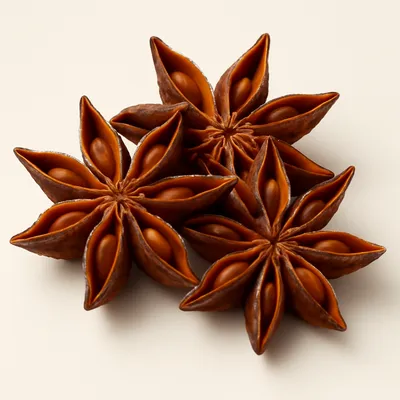
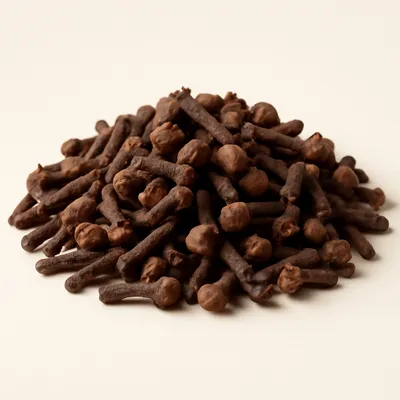
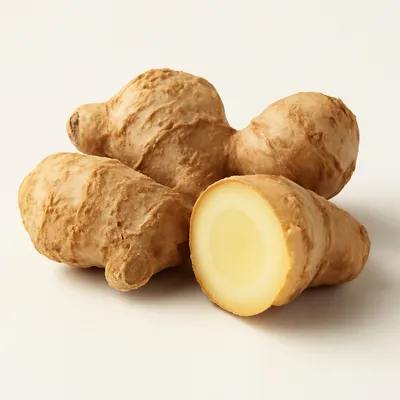
Torn open by hand, a good bird gives skin that is taut and glossy and meat that comes cleanly off the bone, tender and slightly springy rather than falling to mush. The flavor is deep and savory all the way through, the spices of the master stock — cassia, star anise, cloves, sand ginger and the rest — soaked into the flesh rather than sitting on the surface, with a clean, rounded finish and almost no greasiness. The skin carries a faint sweetness from the maltose glaze and a deep reddish-brown color. A poor one is either dry and stringy from overcooking or bland and pale because the stock was thin and young; a master stock makes the difference, the meat tasting fuller and more fragrant the older the brine.
Two steps build the dish. First the trussed bird is brushed with maltose syrup and deep-fried: the sugar and the chicken's surface proteins brown fast in the hot oil through caramelization and the Maillard reaction, setting the skin into a taut, deep reddish-gold shell and laying down the first layer of roasted aroma — this is the 烧 ('roast/fire') in the name. Then it is gently braised in the master stock (老汤), a brine carried over and replenished batch after batch. Long, low simmering hydrolyzes the collagen in the skin and joints into gelatin so the meat turns tender and slips from the bone, while the spices' fat- and water-soluble aromatic compounds diffuse deep into the flesh. The old stock is the engine: with every batch it accumulates dissolved proteins, gelatin and rendered fat, so its body and savor deepen over years — which is why makers keep a brine going for years and top it up every few days rather than starting fresh.
Variations
Jingning roast chicken belongs to the same north-Chinese family of maltose-glazed, master-stock-braised birds as Henan's 道口烧鸡 and 符离集烧鸡 of Anhui and the smoked 沟帮子熏鸡 of Liaoning; what sets the Jingning bird apart is its local free-range chickens and each shop's own long-kept stock and spice blend. Within Jingning the named old houses each guard a recipe, and birds are sold whole, halved or quartered, fresh-made daily under the principle 宰鲜、煮鲜、卖鲜 (slaughter, cook and sell fresh). The dish is the best-known of Pingliang's chicken cookery, eaten on its own torn by hand or, in traveler fashion, stuffed into or alongside flatbread.
On the Palate
Where Jingning Roast Chicken sits in the Chinese flavor cloud
Ingredients
Serves 4


How it's made
8 steps · 6 hours
- 115 min
Choose a fresh young chicken, dress and clean it, then truss it into a compact shape with the legs and wings tucked.
- 220 min
Hang the bird briefly to dry the skin, then brush it all over with maltose syrup (or maltose dissolved in warm water).
Watch outDry the skin, then brush all over with maltose — the dry, sugar-coated skin is what browns fast to a taut, deep reddish-gold shell in the oil.
- 310 min
Heat oil in a wide pot to about 200°C and lower the chicken in, frying until the skin is an even deep golden-red, then lift out and drain.
Watch outFry in hot oil until the skin is an even deep golden-red — this sets the first layer of roasted aroma before it goes into the stock.
- 415 min
Tie the spices — cassia bark, star anise, cloves, sand ginger, cardamom, dried tangerine peel and the like — into a cloth bag and bring the master stock to a boil, seasoning with salt and a little sugar.
- 58 min
Lower the fried chicken into the stock, return to a hard boil, and skim off the foam; boil a few minutes.
- 6240 min
Cover, drop the heat to a bare simmer, and cook the bird gently for about 4 hours, until the meat is tender and pulling from the bone.
Watch outDrop to a bare simmer and cook about 4 hours until the meat is pulling from the bone — a hard boil toughens it and breaks the skin.
- 75 min
Lift the chicken out carefully to keep it whole; reserve and store the master stock to use again, topping it up for the next batch.
- 85 min
Serve the bird whole or in halves, to be torn apart and eaten by hand, warm or at room temperature.


