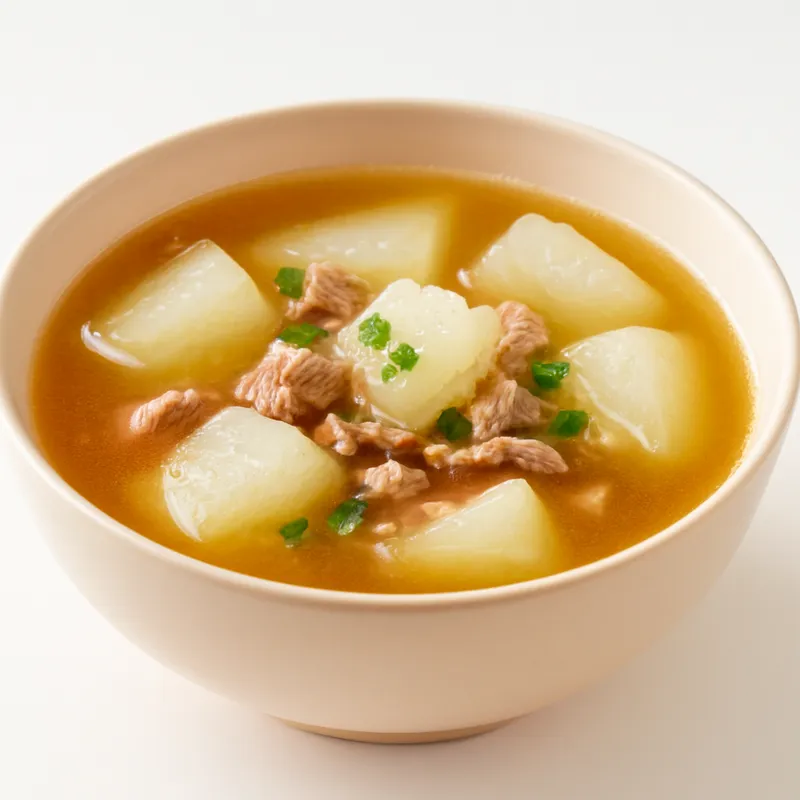
Whole fish sections cured overnight in Fuzhou's crimson red wine lees (红糟), then deep-fried to a burnished crust and briefly braised with ginger and rice vinegar. The red lees — byproduct of pressing Fuzhou's prized fermented rice wine — penetrate the flesh overnight, contributing vivid color, wine-fermented perfume, and a deep savory-sweet character unlike any soy-based braise.
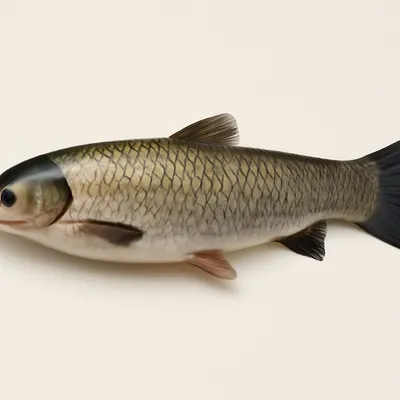



Red wine lees fish traces Fuzhou's lees tradition to the Song dynasty. The Song dynasty scholar Zhuang Jiyu recorded in his compendium 'Jiwei Bian' that in Fujian 'red lees are mixed with vegetables, fish, and meat in autumn' — evidence the custom predated any single cook or restaurant. The scholar Zhu Xi further described Fuzhou red lees as an echo of ancient fermented sweet wine, placing the tradition in a lineage stretching back to antiquity. By the late Qing dynasty, red-lees fish had become a festival staple across the Fuzhou basin, with families curing whole yellow croaker or grass carp in earthen crocks days before the New Year, then steaming or frying the fish on New Year's Eve.
The flesh pulls away in firm, wine-fragrant flakes — an immediate tang and sweetness from the lees hits before the clean fish flavor opens up. A faint warmth from star anise lingers on the back of the palate. The crust is faintly crisp from the frying, softened slightly by the braising sauce.
Red wine lees are the solid residue after pressing Fuzhou's fermented red yeast rice wine. During fermentation, Monascus purpureus fungus converts rice starch into vivid azaphilone pigments while producing protease, lipase, and amylase enzymes alongside volatile esters and alcohols. During marinating, these enzymes partially break down surface proteins and fats in the fish, allowing pigments and aromatic esters to penetrate deeply into the muscle fibers. The lees are naturally acidic, which degrades trimethylamine — the compound responsible for fishy odor — significantly reducing it. Aging the lees through summer ('过夏糟') concentrates volatile flavor compounds further. When the fish is deep-fried at high heat, the Maillard reaction transforms the lees-stained surface from brick-red to deep burnished crimson while sealing in interior moisture.
Variations
Steamed red-lees fish (清蒸红糟鱼) skips frying entirely for a silkier, gentler result suited to delicate fish. Minqing county style uses freshwater river fish and a tangier, thicker lees paste ground with brown sugar. Red-lees shrimp (红糟虾) applies the same overnight curing to whole prawns. The same pantry extends to red-lees pork (红糟肉) and red-lees snails (淡糟香螺片), forming the wider 'lees world' of Fuzhou cooking.
On the Palate
Where Red-Yeast Marinated Fish sits in the Chinese flavor cloud
Ingredients
Serves 4

How it's made
7 steps · 30 min
- 15 min
Scale, gut, and cut fish into 5 cm sections; score each piece twice to aid marinade penetration. Rub with 1 tsp salt and leave 20 minutes.
- 25 min
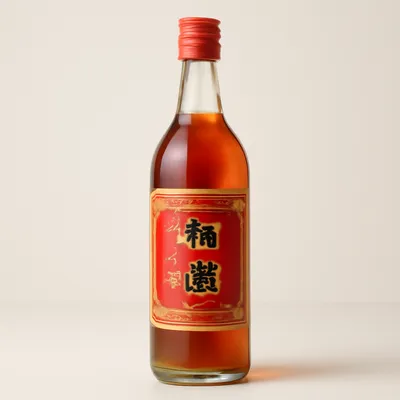
Pat fish dry; coat generously with red wine lees, ginger slices, and a splash of Shaoxing wine. Cover and refrigerate to marinate 4–8 hours or overnight.
- 38 min
Remove fish and scrape off most of the lees. Heat oil in a wok to 180°C; deep-fry fish 3 minutes per side until a deep red-gold crust forms. Drain on a rack.
Watch outFry the marinated fish until a deep red-gold crust forms — that seared crust holds the flesh together through the braise that follows.
- 42 min
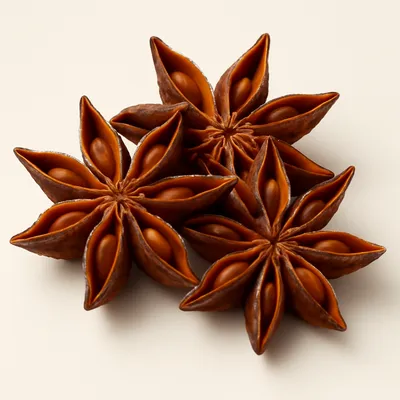
Pour off most oil, leaving 2 tbsp; sauté sliced ginger and star anise 30 seconds until fragrant.
- 53 min
Add remaining red wine lees, rice vinegar, sugar, and a ladle of chicken stock; stir to combine and bring to a simmer.
- 613 min
Return fish to the wok; braise covered over medium-low heat 8 minutes, then flip and braise another 5 minutes until sauce coats the fish.
- 73 min
Increase heat to high and reduce sauce until glossy, about 2 minutes. Plate and spoon all sauce over fish; garnish with ginger shreds.
Watch outReduce over high heat just until the sauce turns glossy and coats the fish — push it too far and the red lees scorch bitter.