A Dong ethnic specialty from Zhijiang County in western Hunan: young free-range mallard duck braised in a long-used spiced broth with local zhicao herb, young ginger, large red chilies, Sichuan pepper, and fermented bean paste. The lacquered skin is amber-bright, the meat yielding and fragrant, the aftertaste long.




Zhijiang Duck traces to Zhijiang Dong Autonomous County in Huaihua, where eating duck at the Mid-Autumn Festival has been a fixed custom since the Yuan dynasty, as evidenced by the local saying about slaughtering the drake on the fifteenth of the eighth month. A folk legend pushes the origin further back to the Warring States era: the exiled poet Qu Yuan, wandering the Yuan River valley near ancient Qianzhong Commandery (present-day Zhijiang), was welcomed by local fishermen with young duck seasoned with local zhicao herb (an iris-family or sweet-flag plant). Qu Yuan later immortalized the plant in The Lady of Xiang. Historical records from the Qing period note that the dish won acclaim when a Qianlong-era traveler passing through Yuanzhou Prefecture praised it as a culinary treasure under heaven and it was submitted as tribute, though the exact date varies across local sources and should be treated with caution. The modern codified preparation uses 30-plus aromatic spices and 10-plus medicinal herbs across 15 steps, with the three-fry three-braise technique at its core.
Biting through the lacquered, caramelized skin releases a rush of juices. Young ginger warmth settles at the back of the throat while Sichuan pepper delivers a mild, sustained tingle. The decades-old master broth gives the dish an unmistakable depth that no single-spice shortcut can replicate.
The three-fry three-braise technique works by removing excess moisture through repeated high-heat stir-frying: each fry stage drives off water and advances Maillard browning on the cut surfaces, concentrating fat beneath the skin and sealing juices into the muscle fibers. During the slow braise at around 80-90 degrees C, collagen in the duck's connective tissue hydrolyzes into gelatin, producing a silky, coating mouthfeel. The 30-plus spice blend supplies volatile terpenoids from Sichuan pepper (linalool, limonene) and phenolics from ginger (gingerols, shogaols), which undergo Maillard reactions in the hot oil phase and release hundreds of aroma-active compounds that penetrate the meat throughout the long infusion.
Variations
Dry-cooked variant: minimal broth added, resulting in a drier, intensely caramelized finish ideal with baijiu. Cold-sliced version: braised duck chilled and sliced thin, served at room temperature with dipping sauce, common at Dong banquets. Spicy-sour adaptation: rice vinegar added to the braising liquid for a tart counterpoint. Modern versions sold in coastal export markets sometimes substitute the wild zhicao herb with lemongrass.
On the Palate
Where Zhijiang Braised Duck sits in the Chinese flavor cloud
Ingredients
Serves 4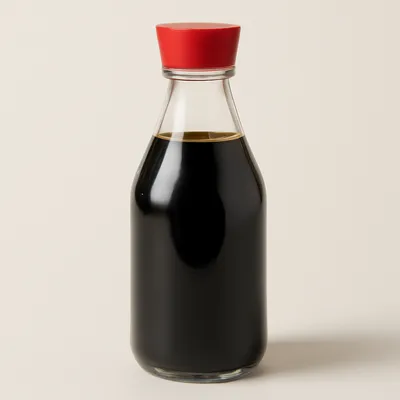
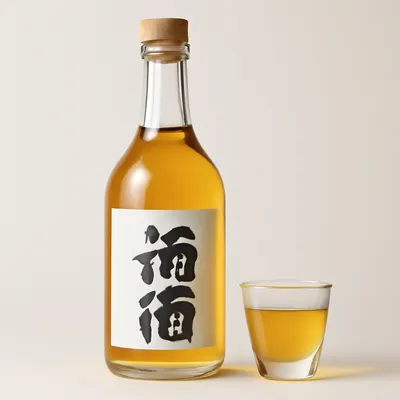

How it's made
8 steps · 40 min
- 130 min
Chop a 1.5 kg young mallard duck into large bone-in pieces; rub all surfaces with salt, add cooking wine and sliced ginger, and marinate for 30 minutes.
- 210 min
Heat wok over high heat with 3 tablespoons oil; add Sichuan peppercorns and dried red chilies, fry until fragrant, then stir-fry duck pieces in batches until all surface moisture evaporates and the skin is golden-brown (first fry).
Watch outStir-fry the duck until every drop of surface water is gone and the skin browns golden — this first fry drives off the raw smell and starts the flavor.
- 33 min
Add young ginger strips, large red chili sections, and scallion segments; stir-fry together with duck for 3 minutes until fragrant (second fry).
- 43 min
Add fermented bean paste, dark soy sauce, and rice wine; toss vigorously to coat all pieces, then stir-fry 2 more minutes until paste caramelizes and oil turns red (third fry).
Watch outFry the bean paste until the oil runs red and it smells fragrant — undercooked paste tastes raw and muddies the braise.
- 525 min
Pour in aged master stock or fresh spiced broth until duck is just covered; bring to a boil, reduce to a low simmer, cover, and braise for 25 minutes (first braise).
- 620 min
Uncover, turn all pieces over, re-cover, and continue braising for 20 minutes until meat is tender and beginning to pull from the bone (second and third braise).
- 78 min
Raise heat to high and reduce the braising liquid, stirring constantly, until it glazes the duck and barely any liquid remains in the wok.
Watch outReduce over high heat until the sauce glazes the duck and almost no liquid is left — this final tightening is what lacquers each piece.
- 82 min
Adjust salt, scatter sliced scallions and a pinch of white pepper, and serve immediately in the wok or transfer to a heated clay pot.


