Duck necks simmered in a complex Sichuan-style brine of dried chillies, Sichuan pepper, dark soy, and whole spices, then left to steep until the spice penetrates the bone. Eaten cold, gnawed slowly, the flavour intensifies with every bite.



The Wuhan Jingwu district gave its name to the dish in the early 1990s. Tang Lajiu, a Wuhan resident, opened a small restaurant on Jingwu Road in 1992, then travelled to Chengdu to learn Sichuan-style brine techniques. He applied the mala spice system—dried chillies, Sichuan pepper, dark soy—to duck necks, which had previously been a byproduct cut. The 2002 film 'Life Show,' set on Jingwu Road, brought national attention to the snack. By 2004 the first vacuum-packed branded product appeared; by 2010, chains such as Jiujiuya and Huangshanghang had taken Jingwu-style duck necks to every city in China.
Cold, mahogany-lacquered neck: you gnaw the meat free from the vertebrae and the first wave is deeply savoury-soy; then the chilli heat climbs, and finally the Sichuan pepper sends a low electric current across the lips.
Duck necks are high in connective tissue and bone; long simmering at 85–90°C converts collagen in the tendons and periosteum to gelatin, which coats the meat in a sticky, flavour-trapping glaze. The real magic happens during the post-cook soak: as the liquid cools, flavour molecules—salt, glutamates from soy, capsaicin, sanshool—diffuse slowly from the brine into the meat by osmosis and concentration gradients. Capsaicin activates TRPV1 heat receptors; sanshool from Sichuan pepper activates low-frequency mechanoreceptors, producing the characteristic buzzing-numbing sensation at around 50 Hz.
Variations
Original Jingwu style is fiery red with a heavy chilli load. A milder Hunan variant uses less chilli and more five-spice, emphasising savoury depth over heat. Cantonese-style braised duck neck (lu wei) skips the Sichuan pepper entirely and uses more soy and rock sugar for a sweeter, darker finish. Some brands now sell a garlic-mala version and a cumin-scented variant for northwest-flavoured eating.
On the Palate
Where Spiced Duck Neck sits in the Chinese flavor cloud
Ingredients
Serves 4
How it's made
7 steps · 25 min active + 2 hours 40 min waiting
- 18 min
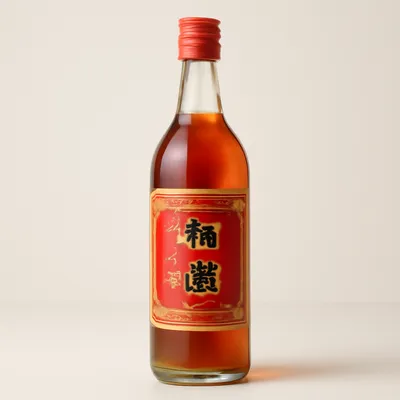
Rinse duck necks under cold water; blanch in boiling water with ginger slices and Shaoxing wine 3 minutes. Drain, rinse, and pat dry.
- 23 min
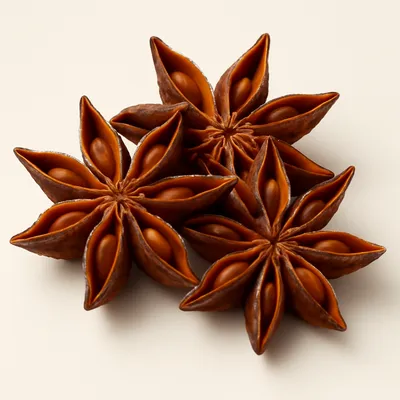
Lightly dry-toast Sichuan peppercorns in a dry pan 30 seconds until fragrant. Bundle with star anise, cinnamon, bay leaves, and cloves in a cheesecloth sachet.
Watch outToast the Sichuan pepper just until it smells fragrant and wisps of smoke rise — a shade past that and it turns bitter.
- 32 min
Heat a tablespoon of oil in a pot; fry dried chillies 30 seconds until fragrant and darkened.
- 412 min
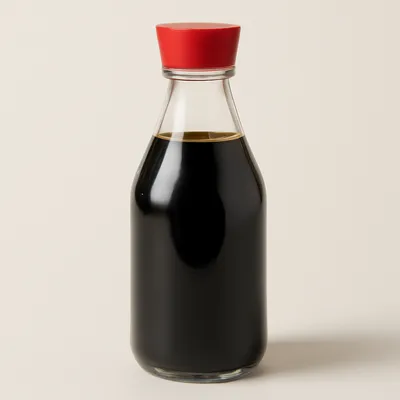
Add water, dark soy, light soy, rock sugar, Shaoxing wine, and the spice sachet; bring to a boil and simmer 10 minutes to build the brine.
- 53 min
Add duck necks; return to a boil and skim any foam.
- 640 min
Reduce to a gentle simmer; cook 35–40 minutes until the meat at the thickest point is just cooked through.
Watch outHold a bare shiver of a simmer — a hard boil toughens the neck meat and strips it off the bone before it's flavoured.
- 7120 min
Remove from heat; leave duck necks submerged in brine to soak at least 2 hours at room temperature, or overnight in the refrigerator for best flavour. Serve cold.
Watch outThe real flavour goes in during the cold soak — pull it early and the neck tastes thin, no matter how long it simmered.
Archive tool suggestions — not reviewed
These legacy suggestions have not been evidence-reviewed and are not presented as required tools.