Chicken feet simmered in a five-spice soy brine until the skin becomes tender-gelatinous, then steeped overnight until the spice penetrates every fold. Eaten cold, the reward is the sticky, lip-coating collagen release of each bone pulled free.
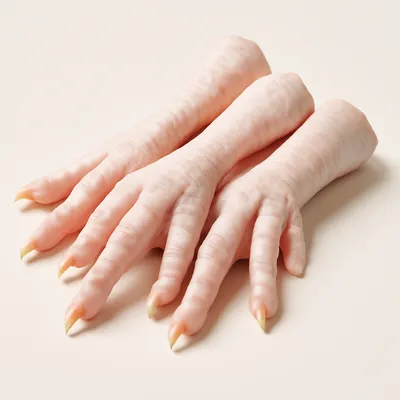



The Chinese luwei (braised spiced food) tradition traces to Sichuan, where Chang Qu's 4th-century text Hua Yang Guo Zhi records the region's appetite for 'spice-salted flavours' and notes the salt-well industry that made brine-cooking economically viable. Chicken feet as a dedicated luwei item gained mass popularity in the late 20th century, driven by the growth of packaged snack culture originating in Hunan and Sichuan. The dish is now so embedded nationally that dozens of branded versions fill convenience stores; home cooks across China make their own version for weekend snacking or hot-pot accompaniment.
A tug at the joint, a satisfying release; the skin is lacquer-tender, faintly gelatinous at the lip, then a wave of five-spice and soy-sweet. The marrow and cartilage offer a clean finish, and the palate wants the next one immediately.
Chicken feet are almost entirely collagen-rich connective tissue and cartilage—the eating reward is purely textural. At 85–92°C, type-II collagen in the cartilage and type-I collagen in the skin hydrolyse into gelatin, producing the sticky, lip-coating quality. Simmering too long (above 95°C for extended periods) over-hydrolyses the gelatin and makes the feet fall apart; the trick is to cook just until done, then steep in cooling brine. During the steep, salt and flavour molecules diffuse inward by osmosis through the now-permeable gelatinised skin, ensuring the flavour reaches every layer.
Variations
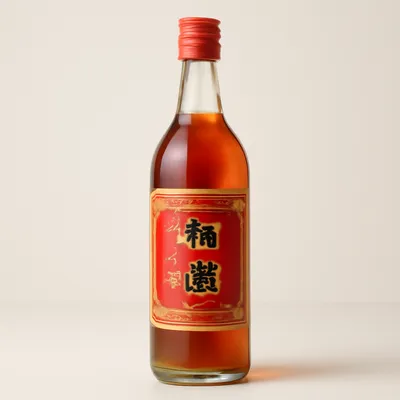
Hunan spicy version uses doubanjiang and dried chillies for an assertive heat. The Cantonese version skips chilli, uses rock sugar generously for a sweeter finish, and adds Chinese rose wine (Mei Kuei Lu) for fragrance. A Yunnan version braises with lemongrass, galangal, and star anise for a Southeast-Asian-adjacent herbal brine. The popular commercial 'tiger skin' variant is blanched, dried, then deep-fried before braising to create a wrinkled, puffed skin surface.
On the Palate
Where Braised Spiced Chicken Feet sits in the Chinese flavor cloud
Ingredients
Serves 4

How it's made
7 steps · 25 min active + 2 hours 15 min waiting
- 18 min
Clip nails from chicken feet with kitchen scissors; blanch in boiling water with ginger and Shaoxing wine 3 minutes. Drain, rinse under cold water, and drain again.
- 23 min
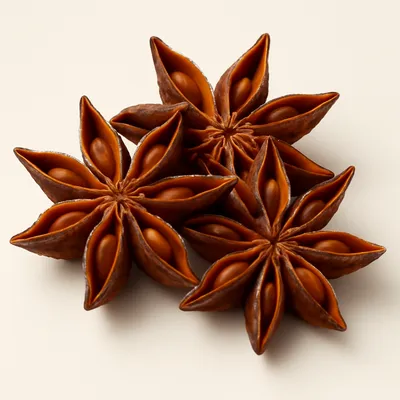
Bundle star anise, cinnamon stick, bay leaves, and dried chilli in a cheesecloth sachet.
- 35 min
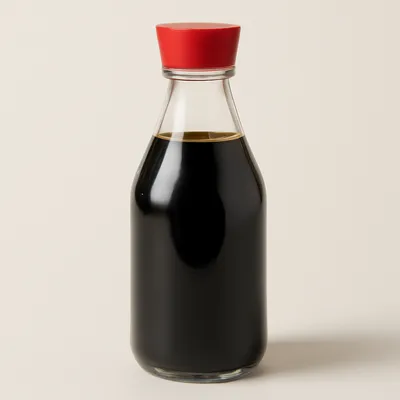
In a pot, combine water, dark soy, light soy, rock sugar, Shaoxing wine, ginger slices, and the spice sachet; bring to a boil.
- 43 min
Add chicken feet; return to a boil, skim any foam.
- 518 min
Reduce to medium-low heat; simmer 15–18 minutes until the skin is just tender and a toothpick passes through easily.
Watch outSimmer at a lazy bubble until a toothpick just slides through the skin — boil it hard and the gelatin over-breaks and the feet fall apart.
- 6120 min
Turn off heat; steep chicken feet in brine for at least 2 hours at room temperature, or refrigerate overnight.
Watch outThe long soak in cooling brine is what carries the flavor inside — skip it and the feet taste of nothing but the surface.
- 73 min
Serve cold or at room temperature; drain briefly before plating.
Archive tool suggestions — not reviewed
These legacy suggestions have not been evidence-reviewed and are not presented as required tools.

