
A Cantonese tong sui in which small tapioca pearls are boiled until clear and bouncy, then bathed in sweetened coconut milk and chilled. The pearls turn from chalky white to glassy and translucent, each one slick and springy in a fragrant, faintly sweet coconut broth. It is most often served cold and is endlessly varied with taro, mango, honeydew or red bean, making it one of the most familiar bowls in any Cantonese sweet-soup shop.


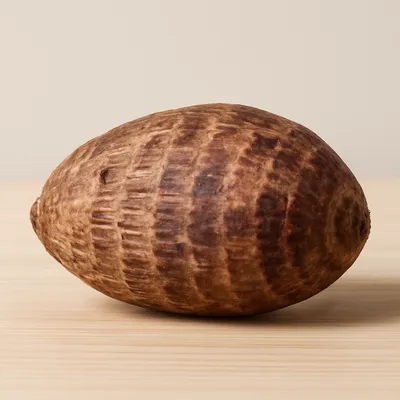
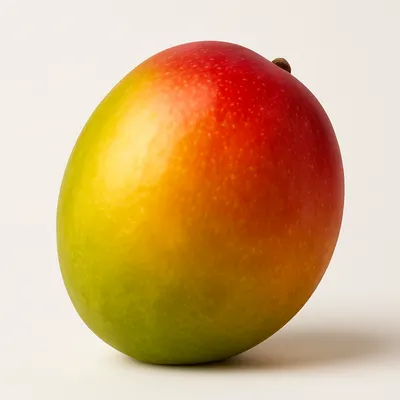
Coconut sago belongs to the Lingnan tong sui (糖水) tradition of Guangdong and Hong Kong — the broad family of everyday sweet soups simmered from beans, grains, fruits and starches. The sago pearl itself is not native: it is sai mai (西米), a starch traditionally extracted from the pith of sago and other palms across Southeast Asia, and the name carries the 'sai' (西, 'western/foreign') marker of an imported good that entered the southern Chinese kitchen through the maritime trade. Most modern sago is in fact made from cassava (tapioca) starch. Paired with coconut milk — itself a staple of the tropical south — it became a fixture of the Cantonese sweet-soup repertoire; it has no single recorded inventor, being a household and shop dessert rather than a dish of one author.
The pearls are the whole pleasure: cooked right, they are fully clear with no chalky white dot at the core, slippery on the tongue and faintly springy between the teeth — never gummy, never hard. They sit in a pale, milky coconut broth that is cool, lightly sweet and floral with coconut fragrance. Cubes of taro add a powdery softness, mango a fruity tang, so each spoonful is smooth liquid against bouncy pearls and tender fruit. Left too long the pearls clump and stiffen; a good bowl keeps them loose and separate, gliding in the coconut.
Sago is nearly pure starch, so cooking is all about gelatinization without letting the pearls dissolve. They are dropped into a large volume of already-boiling water (never cold, or they slump and stick), boiled and stirred until most of the grain turns clear, then taken off the heat and covered to let residual heat finish the chalky white core — the 'simmer, rest, simmer' (煮焖) trick that cooks the centre through without overcooking the outside into mush. They are then rinsed under cold water, which firms the gelatinized starch and rinses off the loose surface starch that would otherwise glue the pearls together, giving the slippery, separate, springy bite. The coconut milk and sugar (and any evaporated or fresh milk) are warmed just enough to dissolve the sugar, then cooled — boiling coconut milk hard can split it and dull its aroma.
Variations
The base is endlessly built on. Taro sago (芋头西米露) folds in steamed, mashed or cubed taro for a powdery, starchy body; mango sago leans fruity and is the close cousin of Hong Kong's mango-pomelo sago (楊枝甘露), which adds pomelo sacs and is counted as its own dish. Common partners are honeydew, cantaloupe, pumpkin, red bean and lotus seed. It is usually served chilled in summer and can be taken warm in winter; richness is tuned with coconut milk, coconut cream, evaporated milk or fresh milk, and some shops scent the broth with pandan leaf.
On the Palate
Where Coconut Sago sits in the Chinese flavor cloud
Ingredients
Serves 4
How it's made
7 steps · 15 min
- 15 min
Bring a large pot of water to a rolling boil — use far more water than sago, as the pearls need room to move.
- 212 min
Tip in the small sago pearls and stir at once so they don't sink and stick; boil over medium heat, stirring often, for about 10–12 minutes until most of each pearl is clear with only a small white dot left.
Watch outDrop the sago into fully boiling water and stir at once — into cold or still water they sink and glue into a lump.
- 314 min
Turn off the heat, cover, and leave 10–15 minutes; the residual heat cooks out the remaining white core until the pearls are fully translucent.
Watch outRest off the heat till the white core clears — that's the trick that cooks the center without turning the outside to mush.
- 46 min
Drain and rinse the sago thoroughly under cold running water until the pearls are cool and no longer sticky; leave them in a bowl of cold water.
Watch outRinse cold until the pearls no longer feel sticky — leftover surface starch glues them together in the coconut milk.
- 56 min
Gently warm the coconut milk (with evaporated or fresh milk if using) with rock or fine sugar, stirring just until the sugar dissolves — do not let it boil hard. Cool.
- 630 min
Drain the sago and fold it into the sweetened coconut milk; chill until cold.
- 73 min
Stir in cubes of taro, mango or other fruit, divide into bowls and serve cold.
Archive tool suggestions — not reviewed
These legacy suggestions have not been evidence-reviewed and are not presented as required tools.


