Four-Fruit Iced Sweet Soup is a Minnan summer-cooling dessert from Xiamen, Quanzhou and Zhangzhou: a bowl of shaved or crushed ice doused in cold sugar syrup or honey, over a self-chosen assortment of toppings. Its soul is shihuagao, a clean, brittle-soft seaweed jelly boiled from the red alga Gelidium. Around it sit soft mung beans and lotus seeds, chewy starch balls (adazi), grass jelly, white fungus, taro balls and seasonal fruit. Though called "four fruits," the four is now figurative — at a modern stall you pick freely from a dozen or more bowls. Each spoonful is a cold collision of textures meant to chase off the southern Fujian heat.
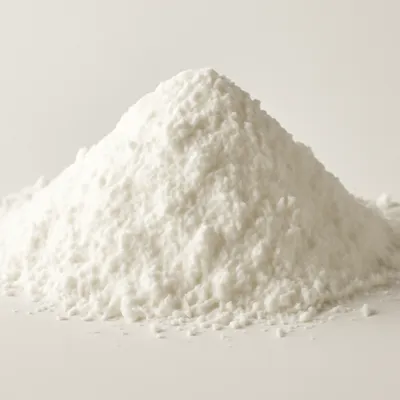
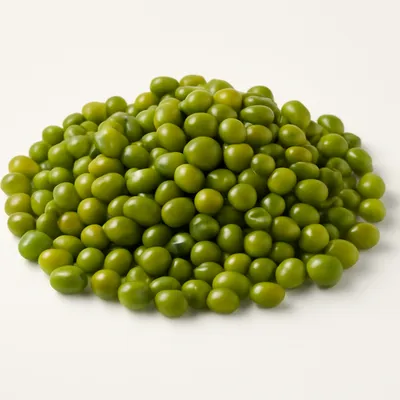


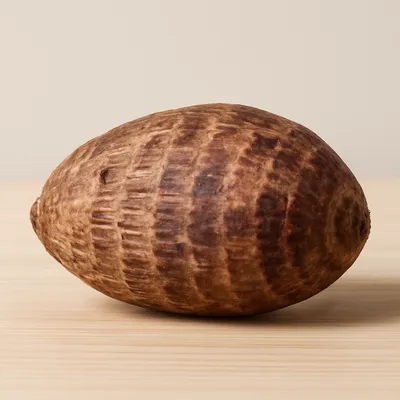
Four-Fruit Iced Sweet Soup is a traditional Minnan dessert eaten across Zhangzhou, Quanzhou, Xiamen and Taiwan, with Zhangzhou often named as one of its birthplaces; folk accounts trace it as far back as the Tang or Song, though the exact origin cannot be pinned down. Its earliest firm record is the 1931 Guide to Xiamen, which lists "four-fruit soup" among sweet sundries; the 1940 New Guide to Xiamen describes a version of tapioca-starch balls, adazi and sago dressed in white sugar and boiling water. The dish rests on shihuagao, a jelly that coastal Minnan people had learned to boil, set and eat from the seaweed shihuacai well before the Ming. Originally the "four" really meant four ingredients — accounts differ between mung bean, Job's tears, adazi and lotus seed, or mung bean, red bean, white fungus and grass jelly, with one tradition holding the authentic four should all be white. In the early 1990s Ding Bingzheng, fourth-generation heir of the century-old Quanzhou house Bingzhengtang, began letting customers freely combine dozens of toppings over his shihuagao, and the pick-your-own bowl became the form known today; in 2024 Xiamen even issued a group standard requiring a bowl to be at least seventy percent toppings.
Cold first, then a procession of textures. The shihuagao gives a clean, brittle snap that breaks soft, melting almost to water; the starch balls are springy and chewy, taro balls fudgy, mung beans and lotus seeds tender and faintly starchy. Shaved ice crunches and thaws into the syrup, which is lightly, cleanly sweet — sugar-water or floral honey — never cloying. The whole bowl is barely scented, faintly grassy-marine from the jelly, and finishes shockingly cool.
The dish is built on agar. Boiling the dried red alga Gelidium (shihuacai) for hours extracts its water-soluble polysaccharides — agarose and the sulfated agaropectin — which dissolve hot, are strained through cloth, and set on cooling into shihuagao. Agar gels with a wide hysteresis: it melts only near 95°C yet sets around 37°C, so the jelly holds its shape firmly in iced syrup and on the tongue, unlike gelatin, which melts at body temperature. Agar's network is also far more brittle than gelatin's, giving the signature clean, pre snap rather than a wobble, at a fraction of the calories. Mung beans and lotus seeds are simmered until their starch gelatinises and softens; the starch balls (adazi) and taro balls are cooked through to a chewy, gelatinised core. Everything is chilled, then shaved or crushed ice is added last — its melting absorbs latent heat and pulls the whole bowl below room temperature for the cooling effect that defines the dessert.
Variations
Regional habits diverge: Zhangzhou leans on snowy shaved ice, while Quanzhou favours iced water and often shreds the shihuagao into slippery threads. The toppings are open-ended — alongside the classics come red beans, Job's tears, peanuts, wheat berries, raisins, nata de coco, sago, filled glutinous-rice balls, watermelon and pineapple. Some stalls offer winter "warm" service, swapping the ice for hot soy milk or brown-sugar water, and seasonal stewed sweets like rock-sugar white fungus with pear. A close cousin in form but not identity, Hainan's coconut-milk qingbuliang and Sichuan-Yunnan bingfen share the iced-sweet idea but lack the seaweed-jelly soul.
On the Palate
Where Four-Fruit Iced Sweet Soup sits in the Chinese flavor cloud
Ingredients
Serves 4



How it's made
8 steps · 30 min
- 1150 min
Rinse dried shihuacai (Gelidium seaweed). Boil it in a large pot of water over high heat, then lower to a gentle simmer, uncovered, for two to three hours until the seaweed dissolves into a viscous liquid.
Watch outHold the seaweed at the barest simmer for the full two-plus hours — a hard boil clouds it and the agar never sets clean.
- 2240 min
Strain the hot liquid through cloth into a flat container, discarding the spent seaweed. Let it cool, then chill until it sets firm into shihuagao (seaweed jelly).
Watch outStrain the hot liquid before it cools — once it starts to gel it won't pass the cloth and traps the grit.
- 330 min
Rinse the mung beans and simmer in water until just split and tender but still holding shape; drain, sweeten lightly if desired, and chill.
- 425 min
Simmer the lotus seeds until soft through; drain and chill alongside the mung beans.
- 515 min
Bring water to a boil and cook the tapioca/starch balls (adazi) and taro balls until translucent and chewy through; shock in cold water and chill.
Watch outCook the tapioca and taro balls until translucent all the way through — a chalky white core means the center is still raw and hard.
- 610 min
Cut the grass jelly and the set shihuagao into cubes (or shred the shihuagao into threads, Quanzhou-style).
- 710 min
Make a light syrup by dissolving sugar in hot water and chilling it, or simply use chilled honey thinned with cold water.
- 85 min
To serve, lay a spoonful each of four or more chosen toppings in a bowl, heap shaved or crushed ice on top, and pour over the cold syrup or honey. Serve at once.
Archive tool suggestions — not reviewed
These legacy suggestions have not been evidence-reviewed and are not presented as required tools.



