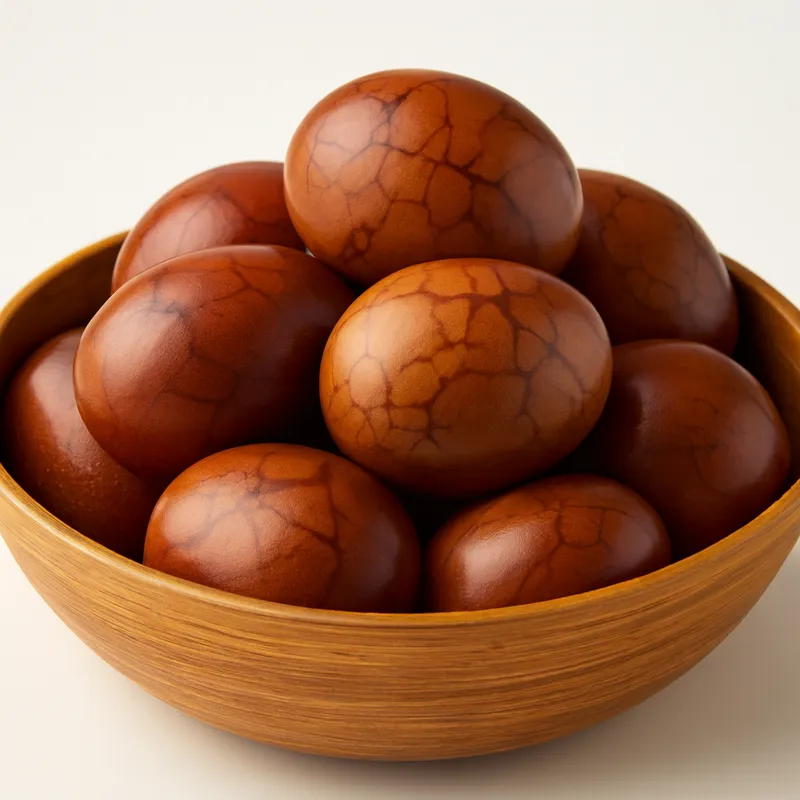
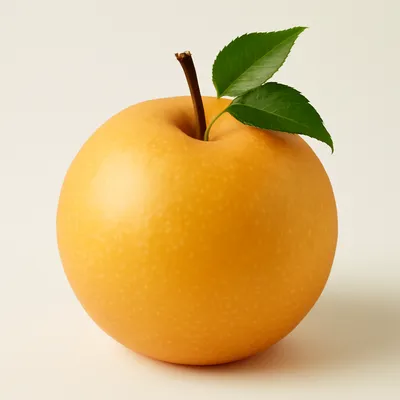
A bowl of chilled buckwheat noodles from the Korean-ethnic prefecture of Yanbian, rinsed in ice water and sunk in a clear, chilled beef broth tuned sweet-and-sour. It is crowned with sliced cold beef, kimchi, cucumber, half a boiled egg, pine nuts, and a few wedges of fragrant pear (苹果梨). The broth must run clear, every trace of fat skimmed, and everything served ice-cold. Among young diners it has become a summer fixture, and pairing it with guo bao rou is now an internet running joke.



Yanji and the wider Yanbian Korean Autonomous Prefecture in Jilin are where this Korean-ethnic cold noodle took its Chinese form, carried over by Korean settlers and folded into the northeastern table. It traditionally marks longevity occasions — eaten on the fourth day of the lunar new year or on birthdays, the long strands standing for a long life. Once a seasonal and festival food, it has spread well beyond the Northeast through Korean-Chinese eateries, and in recent years short-video food culture turned the Yanji-style cold noodle, often eaten alongside guo bao rou, into a nationwide summer craving.
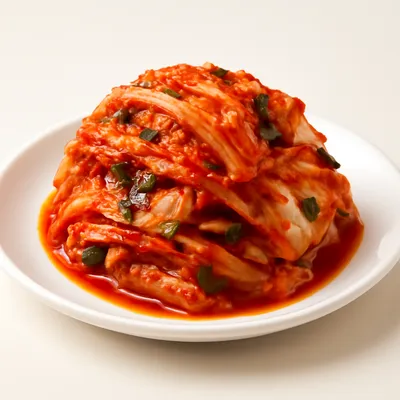
First the broth: ice-cold, clear, sweet leaning sour, with a clean beef backbone and no slick of fat on top. The buckwheat noodles are darker and chewier than wheat ones, springy and a touch slippery, and they stay cold because the bowl itself is cold. Around them the kimchi brings heat, the cucumber crunch, the pear a clean sweetness that cuts the sour. You drink the broth down to the last mouthful, and on a humid northeastern night that cold is the whole point.
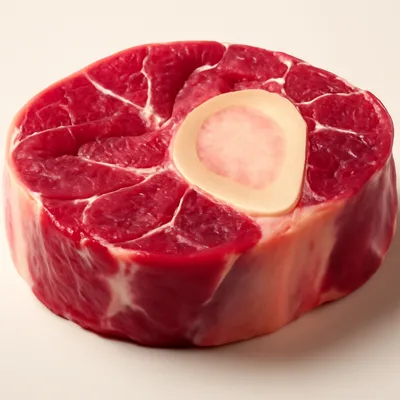
Everything hinges on the broth being clear and cold. Beef shank is simmered slowly, then the stock is filtered and chilled so the fat rises and sets and can be lifted off cleanly — a film of fat would taste heavy the moment it goes cold, which is why the skimming matters. The broth is then balanced with vinegar, sugar, and salt into the signature sweet-sour profile and held near freezing. Buckwheat noodles hold a firmer, springier bite than wheat because buckwheat is low in gluten, and the ice-water rinse shocks the surface starch so the strands stay separate and chewy instead of swelling soft.
Variations
Soup cold noodle (water cold noodle) is the classic version sunk in chilled broth; mixed cold noodle (bibim) skips the soup and tosses the noodles in a sweet-spicy chili sauce instead. Households differ on the fruit — apple-pear is the Yanbian standard, but apple or even watermelon turns up. Some cooks brighten the broth with a splash of soda or fruit juice for extra clean sweetness, and Korean-Chinese restaurants tend to push the kimchi and garlic harder.
On the Palate
Where Yanji Cold Noodle sits in the Chinese flavor cloud
Ingredients
Serves 2


How it's made
6 steps · 3 hours
- 145 min
Simmer beef shank in cold water with scallion and ginger for about 40 minutes until tender; lift the beef out to cool, then press it under a weight.
- 2240 min
Filter the stock, season lightly with salt, and chill it for several hours until the fat sets on top; lift off all the fat so the broth runs clear.
Watch outChill the strained stock until the fat sets into a firm cap and lift every bit off — leave any fat and the broth tastes heavy and coats the mouth the moment it's served cold.
- 310 min
Stir vinegar, sugar, and a little soy into the cold broth to a balanced sweet-sour taste, then return it to the fridge until ice-cold.
- 48 min
Boil the buckwheat noodles until just done, then rinse them hard under running ice water until cold and springy; drain well.
Watch outRinse the buckwheat noodles hard under running ice water until cold and squeaky — the cold shock is what keeps the strands separate and springy instead of swelling soft.
- 52 min
Coil the noodles into a chilled bowl and pour the ice-cold broth over them.
- 63 min
Top with sliced cold beef, kimchi, cucumber, half a boiled egg, pear wedges, and pine nuts, and serve at once.