Glutinous rice balls filled with black sesame, lard, and sugar — Ningbo's version, where the lard-rich filling melts into a black sauce when bitten.



Ningbo's tangyuan tradition reaches back to the Song dynasty, when the prefecture of Mingzhou (today's Ningbo) was already making sweet glutinous rice balls of black sesame, lard, and sugar — then called 'fu yuanzi' (floating round-balls). The lard-rich liquid filling distinguishes it from the drier, rolled northern yuanxiao. Eaten on Yuanxiao Festival (15th day of Lunar New Year) — the round shape signifies family reunion. The most famous brand, Gangya Goutou (缸鸭狗), opened in Ningbo in 1926 and is still trading.
Ningbo's lard-rich liquid filling is what splits it from drier northern yuanxiao. Gangya Goutou (缸鸭狗) opened in 1926 and still trades. Lard melts at 30-40°C — boil 3-4 minutes and the filling pours.
Bowl of four or five pearly white spheres in a clear, lightly sweet broth scented with osmanthus. The wrapper is springy and slightly chewy; you bite, and a thick black sesame-and-lard sauce floods out — hot enough to scald if you rush. The contrast of cool-sweet broth and warm-savory filling is the whole point. If the filling stays a solid lump and doesn't pour, the lard ratio was too low.
The flow filling depends on lard's melting point — solid at room temperature, fully liquid by roughly 28–48°C. Boiling water transmits heat through the wrapper in 3-4 minutes; by then the lard has melted and dissolved the sugar, suspending sesame paste in a pourable emulsion. Substituting butter or vegetable shortening fails: butter has water that steams the filling solid; shortening's higher melting point means it never goes liquid.
Variations
Black sesame is the canonical Ningbo flow filling; Suzhou versions run osmanthus-and-rose; Hakka tangyuan is savory with pork-and-mushroom; Taiwan's larger 红白汤圆 are unfilled and dyed for festival color.
On the Palate
Where Ningbo Tangyuan sits in the Chinese flavor cloud
Ingredients
Serves 4How it's made
5 steps · 40 min active + 20 min waiting
- 110 min
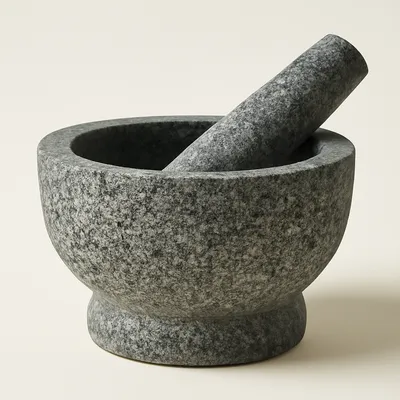
Toast 100g black sesame seeds in a dry pan over low heat for 6-8 minutes, stirring constantly, until they pop and release oil. Cool, then grind to a coarse paste in a mortar or spice grinder.
Watch outToast the sesame on low until it pops and smells nutty and oil beads on the seeds — the moment it starts smoking pull it, one shade past and the whole paste turns bitter.
- 225 min
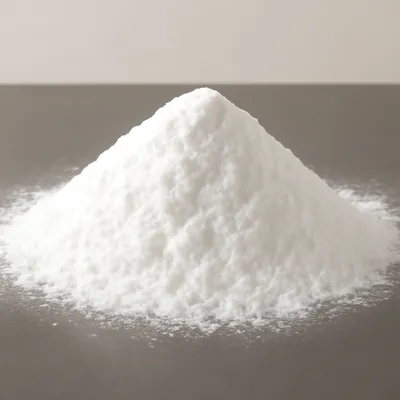
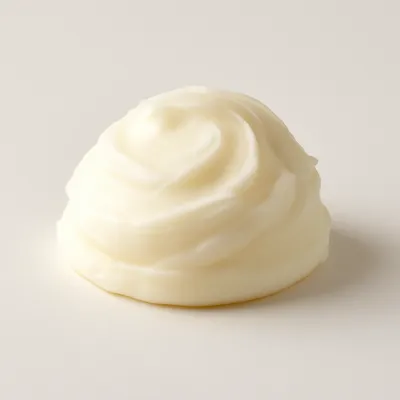
Mix the ground sesame with 70g powdered sugar and 60g rendered lard (must be solid, fridge-cold). Knead until uniform. Roll into 8g balls and freeze 20 minutes — frozen filling is essential, or it leaks.
Watch outFreeze the filling until it's rock-hard before wrapping — a soft ball leaks into the wrapper and blows out in the water.
- 38 min
Make the wrapper: combine 200g glutinous rice flour with 160ml warm water gradually. Knead 5 minutes into a smooth, soft dough — like an earlobe.
Watch outAvoid adding too much water at once to prevent a sticky dough.
- 415 min
Pinch off 18g portions. Flatten each into a 5cm disc, place a frozen filling ball in the center, gather edges up and pinch sealed. Roll between palms into a smooth sphere. Keep finished tangyuan covered with damp cloth.
- 56 min
Bring 1.5L water to a gentle boil. Slip in tangyuan, stir once so they don't stick. When they float and the water returns to a boil, add 100ml cold water; repeat once more. Total 4-5 minutes. Sweeten the cooking water with 20g rock sugar and a few osmanthus blossoms; serve in the broth.
Watch outThey're done seconds after they bob up and the water returns to a boil — over-boil and the skin splits and the molten center escapes.
Archive tool suggestions — not reviewed
These legacy suggestions have not been evidence-reviewed and are not presented as required tools.