A biscuit of paradoxes: named for almonds but containing none, made of mung bean flour pressed around a center of sugar-cured pork fat — it dissolves on the tongue in seconds, leaving only a whisper of sweetness.

Almond cookies originated in Xiangshan County (香山县, now Zhongshan City), Guangdong. According to local historical accounts, the recipe was developed in the late Qing period in Shiqi (石岐), the county seat, by a domestic worker named Pan Yanxiang (潘雁湘) from the Xiao household in Xingli, guided by Lin Dagu — using mung bean flour with a center of sugar-cured pork fat, producing a fragile cookie that happened to resemble an apricot kernel (杏仁核) in shape, earning its misleading name. The Juexiangyuan bakery (咀香园) formally commercialized the recipe in 1918 and remains the most famous producer today. In 2009, the traditional craft was inscribed on Guangdong Province's intangible cultural heritage list.
You press the cookie between your fingers and it offers no resistance whatsoever — it crumbles at a touch. On the tongue, it dissolves almost immediately into a fine, fragrant powder; a breath later, the sweet, unctuous pork fat in the center delivers its quiet counterpoint.
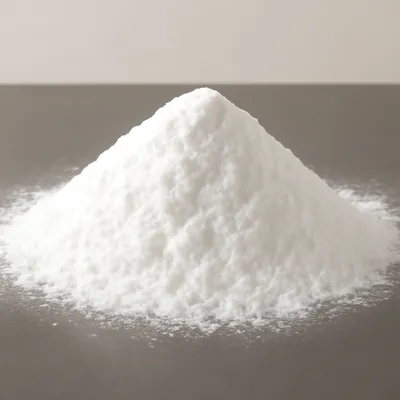
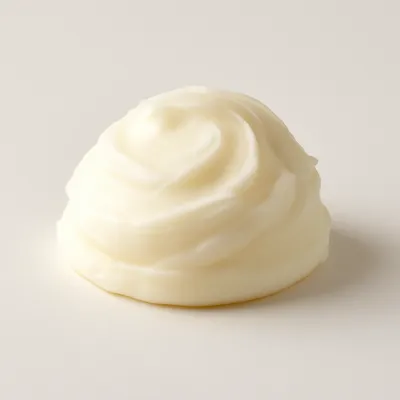
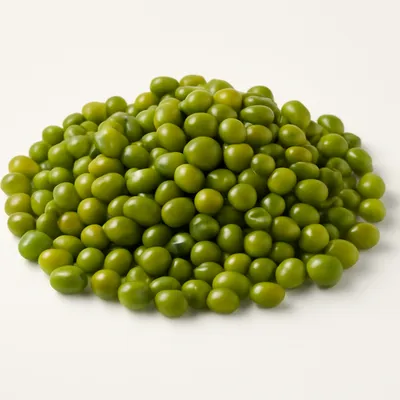
The main ingredient is roasted mung bean flour (绿豆粉): raw beans are first dry-roasted, which pre-gelatinizes the outer starch layer, producing a dry, powdery, nearly non-sticky flour with very low moisture. When this flour is combined with lard and icing sugar, it forms a dough with minimal gluten development — the fat coats starch particles, preventing protein hydration. Baked at low temperature (150°C), moisture slowly volatilizes without any rapid thermal expansion; on cooling, the fat solidifies around each starch particle, producing the characteristic extremely short, sandy, melt-in-mouth texture. The sugar-cured pork fat strip in the center (salted pork belly fat, cured in white sugar until translucent) contributes a sweet, unctuous fat note that contrasts the dry, fragrant exterior.
Variations
Zhongshan and Macau versions differ subtly — Macau's tend to be sweeter and more crumbly. Modern versions may use vegetable shortening in place of lard. The pork fat center can be omitted for a vegetarian version; some Guangzhou bakeries add a small amount of ground almond (真杏仁) to the flour for authentic almond fragrance.
On the Palate
Where Zhongshan Almond Cookie sits in the Chinese flavor cloud
Ingredients
Serves 20How it's made
7 steps · 1 hour 50 min
- 120 min
Spread raw shelled mung beans on a dry wok over low heat; roast, stirring constantly, for 15 minutes until pale golden and fragrant. Cool completely; grind in batches to a very fine powder. Sieve to remove any coarse bits.
Watch outRoast the mung beans low and slow, stirring constantly, only to pale gold — scorching even slightly turns the flour bitter and ruins the whole batch.
- 28 min
Combine sieved mung bean powder and icing sugar in a bowl; add lard and rub in with fingertips until the mixture resembles damp sand — it should just hold shape when firmly pressed but crumble at a poke.
Watch outRub in the lard until it's like damp sand — it holds shape when pressed but crumbles at a poke; too wet and the cookie won't be sandy and melting.
- 33 min
Slice sugar-cured pork belly fat into thin rectangular strips approximately the size of a thumb.
- 48 min
Fill a traditional oval cookie press mold halfway with mung bean mixture; press firmly with a finger; place one strip of pork fat in the center; top with more mixture, overfilling slightly; press down firmly to compact.
- 53 min
Invert and tap the mold to release the cookie onto a lined baking sheet; gently reshape any edges.
- 624 min
Bake in a preheated oven at 150°C for 22–25 minutes until the very edges show the faintest color; the cookie will appear almost unchanged — do not overbake.
Watch outBake only until the very edges show the faintest color — the cookie should look almost unchanged; brown it and the delicate melt-in-mouth texture is gone.
- 730 min
Remove immediately; cool completely on the baking sheet for at least 30 minutes before touching — the cookies are extremely fragile when warm and develop their melt-in-mouth texture only upon full cooling.
Watch outDon't touch them until fully cooled — they're extremely fragile warm and only set into their melt-in-mouth texture once cold.
Archive tool suggestions — not reviewed
These legacy suggestions have not been evidence-reviewed and are not presented as required tools.


