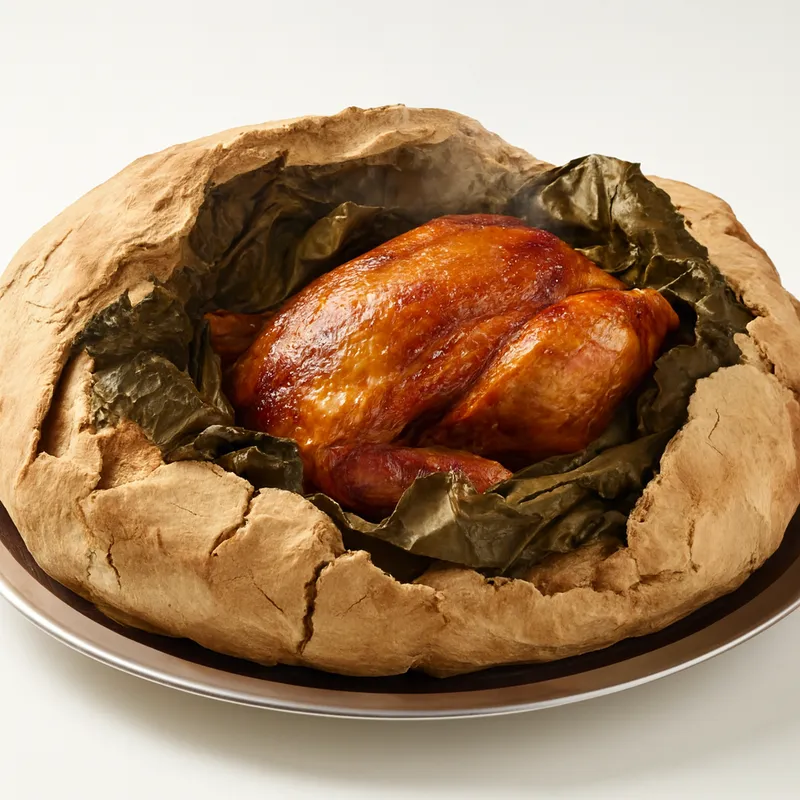
A small round baked pastry of old Shanghai's teahouses, made from a leavened dough laminated with an oil-pastry (a water-oil dough wrapping a flour-and-lard short dough), shaped into a flat disc, brushed with maltose, coated with white sesame, and baked stuck to the wall of an upright baking jar until it puffs and turns the brown-gold of a cooked crab shell — there is no crab in it. The crust shatters into flaky, sesame-fragrant layers. Fillings come in two families: savory (scallion oil, minced pork, and grander versions with crab roe or shrimp) and sweet (sugar-and-lard, rose, jujube paste, or red-bean paste). It is eaten as a morning or teahouse snack, traditionally alongside pan-fried bun (生煎馒头).

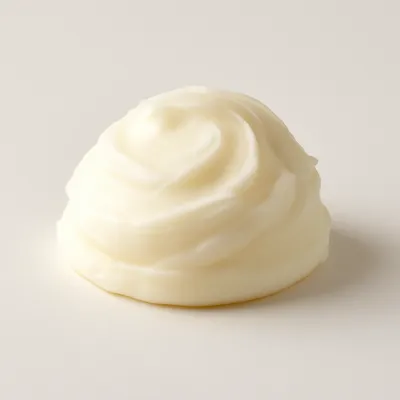
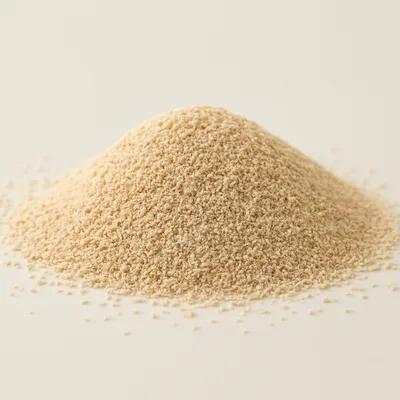

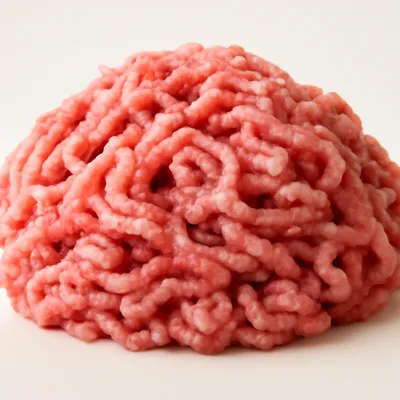

The crab-shell yellow is an old pastry of the Jiangsu-Zhejiang-Shanghai-Anhui region; its exact date is given differently across sources, and the dish flourished in Shanghai through the teahouse and old-tiger-stove (boiled-water shop) trade, where many shopfronts kept an upright baking jar and a flat griddle and sold crab-shell yellow and pan-fried buns side by side as they were made. The Shanghai versions made by shops such as Wuyuan (吴苑), Huangjiasha (黄家沙) and Dahuchun (大壶春) became the best known. The name is purely descriptive — after baking the pastry is round and domed like a crab's back shell, with a color like crab roe — and does not indicate any crab in the dough. The savory and sweet fillings are part of the form from the start; the grander savory ones do add crab roe or shrimp.
A good one is light in the hand and crisp through; the top is an even brown-gold studded with toasted sesame, and the first bite breaks the shell into thin flaky sheets that crumble down the front of your shirt. Underneath the layers go soft and faintly chewy from the leavened dough, and the filling arrives warm — a savory one running with scallion oil and pork juice, a sweet one with sugar melting into lard. The sesame should smell roasted, not raw, and the layers should separate cleanly. A poor one is pale and bready with the lamination collapsed into a dense cake, or scorched bitter on the jar wall, or so dry inside that the filling has gone to paste.
The crisp depends on lamination and a very hot jar. A water-oil dough (flour, water, a little lard) is wrapped around a short dough of flour worked with lard alone, then rolled and folded so the lard sits in many thin sheets between the gluten layers; in the heat the lard melts and the trapped water flashes to steam, lifting each layer apart into flakes. A small amount of yeast in the base keeps the bottom tender rather than hard. The disc is brushed with maltose, which browns fast and gives the deep crab-shell color, and rolled in sesame, whose oils toast aromatic in the dry heat. Baked stuck to the curved inner wall of an upright jar (缸炉), the radiant heat sets and colors the top while the dough puffs; the jar runs hotter and drier than an open oven, which is what blisters the surface crisp. Over-handling the dough or too cool a jar melts the lard out before the steam can lift it, and the layers fuse.
Variations
The two great families are savory and sweet. Savory runs from a plain scallion-oil pastry to minced pork, up to luxury versions with crab roe (蟹粉) or shrimp; sweet runs sugar-and-lard, rose, jujube paste (枣泥), and red-bean paste (豆沙). The crab-shell yellow belongs to the same teahouse counter as pan-fried bun (生煎馒头), the two long sold together. The same laminated-and-jar-baked idea appears across the lower Yangtze as the sesame-coated baked sao-bing (烧饼) family, and in Anhui as a related local pastry; the Shanghai line is distinguished by its small round domed shape, the crab-shell color, and the split into savory and sweet fillings.
On the Palate
Where Crab-Shell Yellow Pastry sits in the Chinese flavor cloud
Ingredients
Serves 6


How it's made
7 steps · 1 hour active + 1 hour 30 min waiting
- 120 min
Make a leavened water-oil dough: mix flour with a little lard, sugar, a pinch of yeast, and warm water into a smooth dough and let it rest and lightly rise.
- 28 min
Make the short dough by rubbing flour together with lard alone until it holds as a soft crumbly paste.
- 315 min
Wrap a piece of short dough inside each piece of water-oil dough, then roll out flat, fold, and roll again two or three times to build the layers; rest the dough between rolls.
Watch outRoll and fold the wrapped dough two or three times, resting between turns — this builds the many thin lard layers that flake apart in the heat.
- 412 min
Roll each piece into a round wrapper, spoon in the filling (scallion-oil and pork for savory, or sugar-lard, rose, jujube, or red-bean for sweet), and pleat it closed into a smooth ball, then press flat into a disc.
- 55 min
Brush the smooth top with maltose syrup and press it firmly into a plate of white sesame so the seeds stick all over.
Watch outBrush the top with maltose before pressing into sesame — the maltose is what browns fast to the deep crab-shell color.
- 65 min
Heat an upright baking jar (or a very hot oven on a stone) and stick the discs sesame-side out onto the inner wall, or set them on a tray near the top heat.
- 715 min
Bake until the pastries puff, the crust flakes, and the tops are an even brown-gold like a crab shell; serve hot.
Watch outBake until the pastry puffs, the crust flakes, and the top is an even crab-shell brown — pale tops mean the maltose hasn't browned yet.
Archive tool suggestions — not reviewed
These legacy suggestions have not been evidence-reviewed and are not presented as required tools.