The most-eaten vegetable dish in the Dongbei home kitchen: eggplant is first fried over fierce heat to collapse its spongy interior, then finished in a glossy soybean paste and soy sauce braise that stains every piece deep amber and concentrates the fermented umami into the flesh. Fast, emphatic, and inexhaustible with steamed rice.
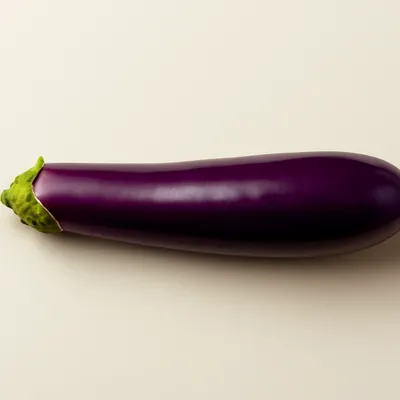

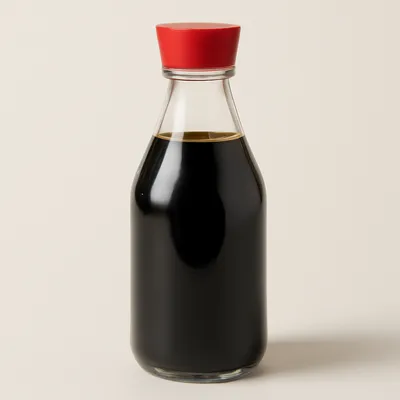



Eggplant (Solanum melongena) reached China far earlier than the Tang Dynasty: the botanist Ji Han documented its cultivation in southern China around 304 CE in the Nanfang Caomu Zhuang (南方草木状), and Sui Emperor Yang so admired it that he renamed it 'Kunlun purple melon' in 608. Cultivation spread northward through the dynasties, and the plant was widely grown across Manchuria by the Ming–Qing transition. The Northeast developed its own slender purple long eggplant (东北紫长茄) — thin-skinned and tender, suited to the shorter growing season. Yellow soybean paste (黄豆酱), fermented from the Northeast's signature yellow soybean crop, became a cornerstone household condiment during the Qing period and the primary flavouring agent in countless home dishes. The convergence of summer eggplant and year-round soybean paste made 酱烧茄子 a natural fixture of the Dongbei household table — one of the clearest expressions of the northeastern preference for fermented-paste-forward seasoning.
The first forkful offers almost no resistance — the interior has collapsed into pure cushion-like softness, coated in a dark, savoury-sweet glaze. The soybean paste's fermented depth lingers long after swallowing; caramelised edges carry a hint of pleasant bitterness that keeps each bite from cloying.
Raw eggplant flesh is up to 92% water held in large, air-filled parenchyma cells. Under high-heat stir-frying, cell membranes rupture and the air pockets collapse, reducing the eggplant's volume by roughly 60% and transforming its texture from spongy to dense. This collapsed tissue then acts as a sponge: during braising in soybean paste sauce, the remaining intracellular space fills with liquid, producing the intensely flavoured, almost meaty character of the finished dish. The Maillard reaction between soybean paste peptides and eggplant's reducing sugars generates the dark amber colour and complex caramel-savoury aroma. Aged yellow soybean paste contains free glutamate concentrations often exceeding 1g per 100g, delivering sustained, MSG-free umami without any additional flavour enhancer.
Variations
Adding potato chunks and green pepper strips creates 地三鲜 — the quintessential Dongbei three-vegetable combination. A spicy version incorporates fresh green chili or dried chili flakes. Some cooks add a strip of pork belly for additional fat and savouriness. In summer, young slender eggplant gives a higher skin-to-flesh ratio and more complex bitterness in the braze.
On the Palate
Where Dongbei Soybean Paste Braised Eggplant sits in the Chinese flavor cloud
Ingredients
Serves 4

How it's made
7 steps · 10 min
- 15 min
Cut eggplant into roll-cut chunks or 4cm batons; spread on a tray, sprinkle with salt, toss, and leave for 5 minutes to draw out excess moisture. Gently squeeze or pat dry.
Watch outSalt and squeeze out the eggplant's water first — drier flesh collapses and browns instead of steaming soggy and soaking up oil.
- 22 min
In a small bowl, combine yellow soybean paste, light soy sauce, a splash of dark soy sauce, sugar, and 3 tablespoons of water; stir until smooth. Set the sauce aside.
- 38 min
Heat 4–5 tablespoons of oil in a wok over high heat until smoking; add eggplant pieces in a single layer and stir-fry, turning frequently, until all sides are softened and lightly caramelised, about 6–8 minutes. Work in batches if needed to maintain high heat.
Watch outGet the oil smoking-hot and keep the heat high so the eggplant collapses and lightly caramelizes — crowd the wok and it stews grey and mushy.
- 41 min
Push eggplant to the side; reduce to medium heat and add one more tablespoon of oil to the centre. Sauté minced garlic, ginger, and white scallion sections until fragrant, about 30–45 seconds.
- 52 min
Pour the prepared sauce over the aromatics; stir quickly to combine, then toss the eggplant into the sauce until evenly coated.
- 65 min
Add 2–3 tablespoons of hot water; cover and braise over medium heat for 4–5 minutes, stirring once halfway through, until the sauce thickens and deeply penetrates the eggplant.
Watch outBraise just until the sauce thickens and soaks in — the collapsed flesh drinks it up; too much water or time and it turns to mush.
- 72 min
Uncover; toss over high heat for 1 minute to concentrate the glaze into a glossy coat. Transfer to a plate, scatter scallion greens on top, and serve at once with steamed rice.


