
A cha-chaan-teng and home-kitchen staple: chicken wings braised and then pan-glazed in a 'supreme soy' sauce until they wear a dark, glossy, faintly sweet lacquer. The name si-yau-wong, 'soy-sauce emperor,' is Cantonese shorthand for a seasoning of light and dark soy rounded with sugar and rock sugar; the wings are first cooked through gently, then reduced in the wok so the sauce tightens and clings. The skin turns mahogany and just-sticky, the meat stays juicy, and the plate is finished with scallion.
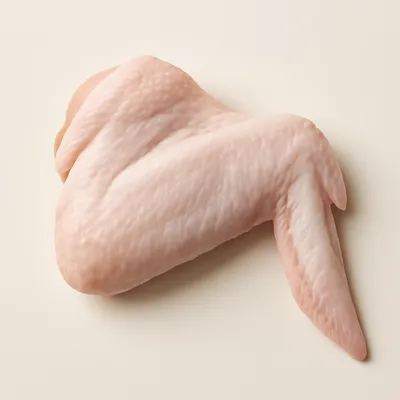

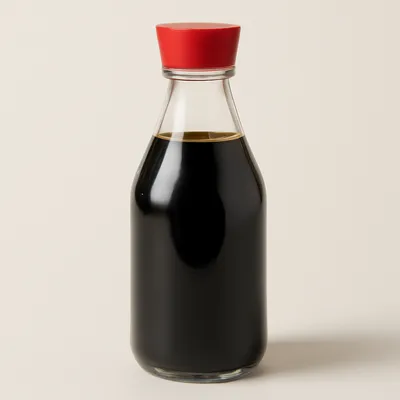


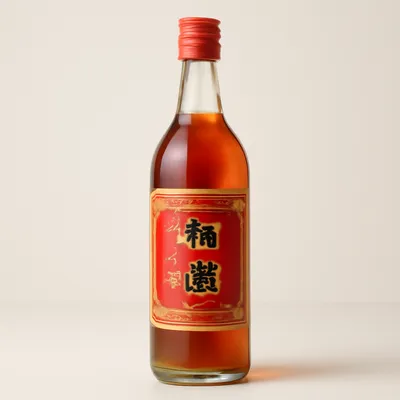
Si-yau-wong is less a single recipe than a Cantonese way with soy: 'wong' (emperor) signals soy elevated with sugar, rock sugar and aromatics into a glossy braising sauce, the same idea behind soy-sauce chicken and soy-sauce noodles. Applied to wings it became a fixture of the cha-chaan-teng — Hong Kong's mid-century diner born of the city's tea-house and Western-canteen cross — and of the everyday home table, where it is fast, cheap and reliably good. It is a daily-cooking dish rather than a banquet one, and makes no claim to ancient pedigree; its appeal is the lacquered skin and the way the sweet-salty sauce soaks into rice.
The skin is mahogany-dark and lightly tacky, a thin lacquer you can almost feel pull at the lip; underneath, the wing meat is tender and full of juice, the joint giving easily off the bone. The taste is the soy-sauce 'emperor' itself — savory and round, with a sweetness from sugar and rock sugar that keeps it from going flat or harsh — and a clean lift of scallion over the top. These are finger food: you want a little sauce left on the plate to spoon over rice, and the wing tips, all skin and gelatin, are the best part.
Two stages do the work. First the wings braise gently in the soy mixture so the seasoning penetrates and the meat cooks through without toughening — a hard boil would tighten the protein and dry it. Then the lid comes off and the heat goes up: as the braising liquid reduces, its sugars and rock sugar concentrate and start to caramelize, the sauce turning syrupy and coating the wings in a glossy film while the dark soy deepens the color. Constant turning in the last minutes coats every surface evenly and stops the sugar catching and burning bitter. Searing the skin first, before braising, builds a Maillard base that makes the final lacquer richer and darker.
Variations
Cooks tune the sweet-salty balance and the soy blend — more dark soy for color, more rock sugar for shine and a rounder finish. Common riffs add a splash of Shaoxing wine, a few crushed garlic cloves or a little oyster sauce to the braise; some finish with sesame oil. A pan-fried-then-glazed version skips the braise and cooks the wings straight in the reducing sauce for a more seared edge. The same si-yau-wong treatment scales up to a whole soy-sauce chicken or runs through stir-fried noodles as si-yau-wong chow mein.
On the Palate
Where Soy-Sauce Chicken Wings sits in the Chinese flavor cloud
Ingredients
Serves 3

How it's made
6 steps · 30 min active + 10 min waiting
- 15 min
Pat chicken wings dry and prick or score the thick side so seasoning gets in.
- 26 min
Sear the wings in a little oil over medium heat until the skin is golden on both sides, building a browned base.
Watch outSear the skin unhurried until both sides are golden and rendered — that browned base is where the sauce's depth comes from later; pale skin means a thin, flat glaze.
- 314 min
Add light soy, dark soy, sugar, rock sugar and a splash of water; bring to a gentle simmer, cover, and braise until the wings are cooked through.
- 46 min
Uncover, raise the heat, and reduce the sauce, turning the wings constantly as it thickens to a glossy lacquer that coats them.
Watch outOnce uncovered on high, turn the wings nonstop as the sauce thickens to a glossy syrup that clings — the moment it strings off the spoon and the skin goes mahogany, kill the heat before the sugar catches and turns bitter.
- 52 min
When the sauce is syrupy and clinging and the skin is mahogany, cut the heat before the sugar catches.
- 63 min
Plate with the remaining sauce spooned over and scatter sliced scallion; serve hot with rice.


