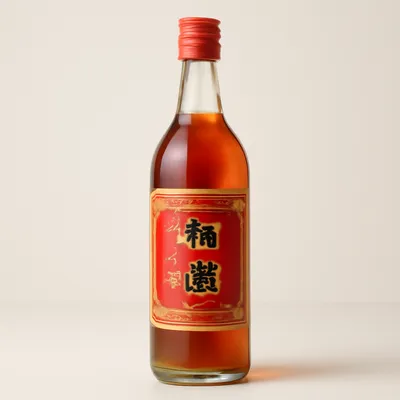
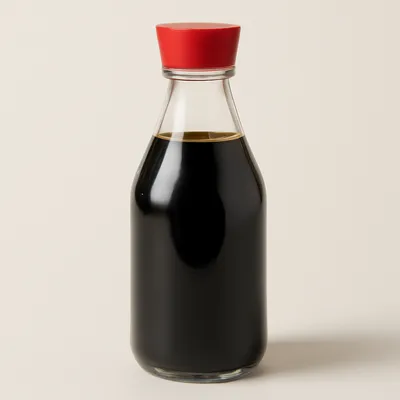
A centrepiece of Wuhan's river-fish banquet tradition, built around the long-snouted Yangtze catfish—prized for its boneless white flesh, gelatinous collagen-rich skin, and centuries of prestige as a Ming imperial tribute. Red-braised in yellow wine, dark soy sauce, and rock sugar until the sauce clings like lacquer.




The long-snouted catfish (chang-wen-wei, Leiocassis longirostris), endemic to China's Yangtze River system and its tributaries, has been a prestige ingredient in Hubei for centuries. Its swim bladder—marketed as 'Bijia fish maw' (笔架鱼肚) from Shishou—was listed as an imperial tribute from the Ming dynasty, its glutinous texture and medicinal reputation placing it among the most coveted river products of the court. Wuhan, at the Han-Yangtze confluence, developed a river-fish banquet tradition (江鲜宴) that crowned the catfish as its signature dish. Overfishing and the altered hydrology of the Three Gorges Dam dramatically reduced wild populations through the late twentieth century; a 1987 breakthrough in artificial breeding established the aquaculture base that now supplies Wuhan's restaurants. Red-Braised Yangtze Catfish appears among the Chu cuisine Ten Flagship Dishes (楚菜十大名菜, 2019) and the 21 Chu cuisine standards (2020).
Ivory-white sections yielding without resistance, free of every bone, the gelatinous skin having melted into a silky membrane that coats the tongue—beneath it, firm, sweet flesh that still tastes unmistakably of the river. The sauce: dark, wine-fragrant, faintly sweet from rock sugar, thick enough to need no starch.
Yangtze catfish skin is exceptionally collagen-dense (Type I collagen), which converts to gelatin at a sustained 85–90°C simmer, producing the characteristic silky mouthfeel and naturally thickening the sauce without starch. The flesh contains approximately 13.7% protein with no intermuscular bones—unusual for a river fish—making it both lean and textually forgiving. The red-braise sequence drives two Maillard events: first at high heat during the initial sear (140–165°C), creating caramelised browning on the skin; then a slower Maillard reaction at moderate braising temperature where soy-amino acids react with reducing sugars from the rock sugar, deepening the sauce colour. Caramelisation of rock sugar at around 160°C adds the glossy sheen and round sweetness that distinguishes the Hong Shao sauce from a plain braise.
Variations
A steamed version (清蒸鮰鱼) uses only ginger, scallions, and light soy sauce to highlight the pristine fish flavour—favoured in summer home cooking. Wuhan banquet versions often braise catfish alongside silken tofu or bean curd skin, which absorb the sauce. Chongqing preparations add dried chilli and Sichuan peppercorn for a spicy-numbing river-fish preparation that has spread widely along the Yangtze.
On the Palate
Where Red-Braised Yangtze Catfish sits in the Chinese flavor cloud
Ingredients
Serves 4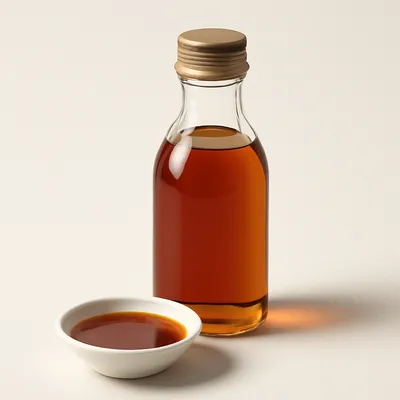
How it's made
7 steps · 20 min
- 110 min
Clean the catfish and cut into 5 cm sections (about 1.2 kg total); score the thick skin with shallow cross-cuts. Pat sections thoroughly dry and season lightly with salt and white pepper. Let rest 10 minutes.
- 25 min
Heat 3 tablespoons oil in a wide wok over high heat until just smoking. Lay catfish sections skin-side down; fry without moving for 3 minutes to form a caramelised crust, then flip and fry the other side 2 minutes.
Watch outFry the fish skin-side down without moving it three minutes until a crust forms — move it early and the skin sticks and tears.
- 31 min
Push fish to the sides of the wok. Add ginger slices and scallion whites to the centre; stir-fry in the oil 30 seconds until fragrant.
- 42 min
Pour 200 ml yellow rice wine along the wok edge; bring to a vigorous boil and let the alcohol cook off for 30 seconds. Add 30 ml dark soy sauce, 20 ml light soy sauce, and 25 g rock sugar; stir to dissolve.
- 520 min
Add enough hot water to just cover the fish. Bring to a full boil over high heat, skim any foam, then reduce to medium-low. Cover and braise 20 minutes.
- 67 min
Remove the lid, increase heat to medium-high. Spoon the sauce repeatedly over the fish and reduce for 6–8 minutes until the sauce is thick, glossy, and coats the back of a spoon.
Watch outReduce, spooning sauce over the fish, until it's thick and coats the spoon — this glazes it glossy red without needing starch.
- 72 min
Carefully transfer catfish sections to a deep serving platter. Strain and pour remaining sauce over the fish; scatter thinly sliced scallion greens on top and drizzle with a few drops of sesame oil.


