
An old-Shanghai duck of the 浓油赤酱 (heavy-oil, red-sauce) school, braised whole in soy sauce and rock sugar with wine and aromatics, then chilled, chopped, and served cold under its own glossy dark sauce — one of the few 本帮 red-braised dishes eaten as a cold platter rather than hot. The flavor is sweet-savory and deep, the meat tender, the skin lacquered red-brown. It is a banquet and home cold opener, often made ahead and kept in its sauce. It is not the stuffed, steamed 八宝鸭, nor the pale white-brined 盐水鸭 of Nanjing.

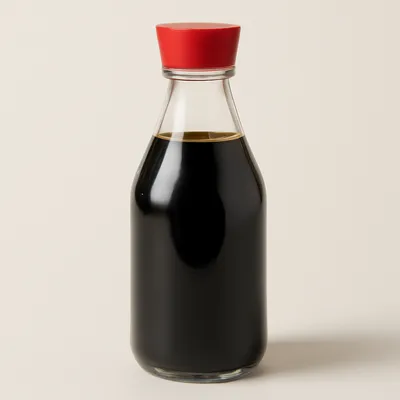


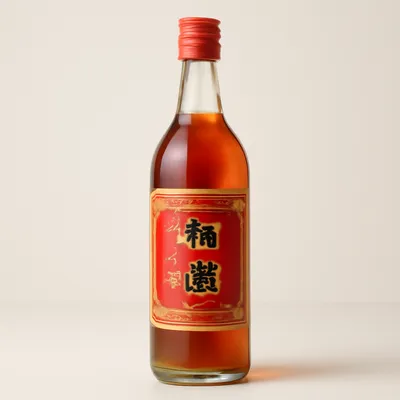

Soy-braised duck belongs to the 本帮 (native Shanghai) kitchen, whose hallmark is 浓油赤酱 — generous oil, heavy sauce, dark color, and a salt-sweet balance — and whose core methods are red-braising (红烧), slow stewing (煨), and lees-curing (糟); the dish is an established part of that repertoire rather than the invention of any single cook or dated occasion. Shanghai's soy-braised duck is built on soy sauce and rock sugar rather than the dry salt-cure of a northern soy-paste duck, and it is distinctive within 本帮 cooking for being a red-braised dish served cold. Some cooks air-dry the duck after braising and baste it as the sauce reduces, which deepens the flavor and firms the texture. It is a different dish from the city's stuffed 八宝鸭 (a whole duck filled with an eight-treasure glutinous-rice stuffing and steamed) and from Nanjing's 盐水鸭 (brined in a clear, uncolored salt liquor for pale skin and white meat).
Cold from the platter, the skin is a deep lacquered red-brown and slightly tacky with sauce; the first taste is sweet, then a rounded soy saltiness, then the clean fat of the duck. The breast slices firm and dense, the leg meat pulls tender off the bone, and everything is coated in a sauce that has thickened to a glaze as it cooled. Done well, the duck is moist inside under a sauce that clings rather than puddles, sweet and salty in balance, with no raw soy harshness. Done badly, it is dry and stringy from over-braising, cloyingly sweet or flatly salty, or pallid and thin-tasting because the sauce never reduced and never soaked in.
The dish is built by braising and then reducing. The duck is browned or blanched, then simmered slowly in soy sauce, rock sugar, wine, and aromatics; gentle heat melts the connective collagen of the legs to gelatin so the meat turns tender, while the soy salt and sugar diffuse inward over the long braise — which is why the flavor goes through rather than sitting on the surface. Rock sugar, melting slowly, gives a clean sweetness and a glossy sheen, and as the sauce reduces at the end the basting coats the skin in a thickening glaze; the sugars and the amino acids of the soy brown together for the dark red color and roundness. Air-drying the braised duck before the final reduction drives off surface water so the skin firms and the sauce clings tighter. Cooling is part of the dish: as it chills, the gelatin and reduced sugar set the sauce into a clinging glaze and the meat firms for clean slicing.
Variations
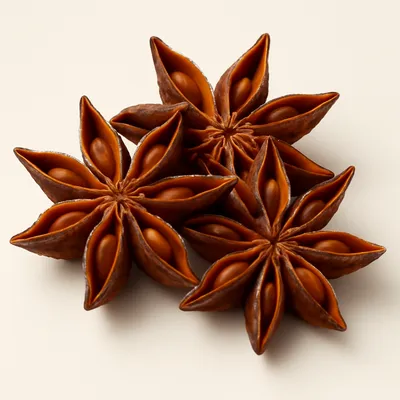
The balance of sweet to salt and the depth of color vary by cook and shop; some lean sweeter in the Shanghai way, others keep it more savory. A common refinement adds a touch of fermented bean-curd liquor or a seafood-style sauce for roundness, alongside the base of light and dark soy, rock sugar, and wine; star anise and other warm spices may go into the braise. Some make it with the air-drying step for a firmer, more concentrated duck, others braise straight through. It sits in a family of Shanghai cold soy-braised meats and is a relative of the broader Jiangnan soy-braised duck; it is firmly distinct from the stuffed, steamed 八宝鸭 and from the clear-brined, uncolored Nanjing 盐水鸭 (also sold in autumn as 桂花鸭).
On the Palate
Where Shanghai Soy-Braised Duck sits in the Chinese flavor cloud
Ingredients
Serves 6
How it's made
7 steps · 50 min active + 2 hours 10 min waiting
- 110 min
Clean a whole duck, trim the tail gland and excess fat, and pat dry.
- 26 min
Blanch the duck in boiling water with a splash of wine to firm the skin and remove scum, then rinse.
Watch outBlanch with a splash of wine until the skin firms and the scum floats up, then rinse clean — leftover scum clouds the braise.
- 35 min
In a deep pot combine light and dark soy sauce, rock sugar, wine, ginger, scallion, and warm spices such as star anise with water to nearly cover the duck.
- 460 min
Bring to a boil, then lower to a gentle simmer, cover, and braise about an hour, turning the duck so it colors and cooks evenly.
Watch outKeep it at a gentle simmer, turning the duck — a hard boil toughens the meat and the leg collagen needs slow heat to melt tender.
- 51 min
(Optional) Lift out the duck, brush it with a little sesame oil, and air-dry it for several hours so the skin firms.
- 615 min
Return the duck to the pot, raise the heat, and reduce the sauce, spooning it over the duck constantly until it thickens and lacquers the skin.
Watch outReduce at the end, spooning sauce over constantly until it thickens and lacquers the skin — a thin sauce won't leave that glossy dark sheen.
- 730 min
Cool the duck completely in or under its sauce; chop into bite-size pieces, arrange on a platter, and spoon the glossy sauce over to serve cold.
Archive tool suggestions — not reviewed
These legacy suggestions have not been evidence-reviewed and are not presented as required tools.


