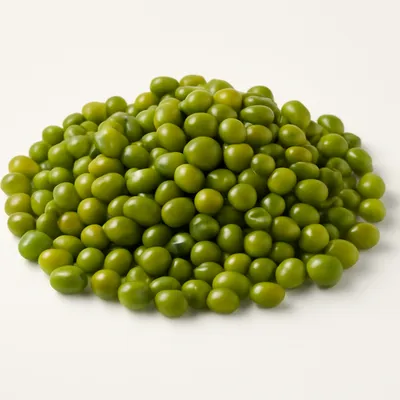
Hopia is a small flaky Filipino-Chinese pastry: a palm-sized round of many thin, spiraling dough layers wrapped around a dense sweet filling, most traditionally mashed mung bean. The flaky type (hopiang baboy or hopiang hapon) shatters into countless leaves when bitten, while a softer cake-crust type also exists. Ube (purple yam), red bean, and winter-melon fillings are now common alongside the original mung bean. A staple of Binondo bakeries, it is bought in stacked paper-wrapped pieces as a merienda treat and a customary food gift.




Hopia takes its name and method from the Hokkien hó-piánn (好餅, 'good pastry'), introduced by Fujianese immigrants and long made in Manila's Binondo Chinatown. Several long-running Filipino-Chinese bakeries, founded in the early-to-mid 20th century, are credited with popularizing it nationwide and developing local fillings; ube hopia in particular is a Philippine innovation drawing on the country's love of purple yam. The layered short-pastry technique descends directly from southern Chinese flaky-pastry tradition, the same family as the mooncake's spiral crust.
The crust shatters at the first press, breaking into dozens of crisp, papery layers that flake away onto your fingers. Beneath lies the filling: dense, smooth, and not too sweet — mung bean tastes gently nutty and earthy, while ube is sweeter and faintly vanilla-floral. The contrast of dry, fragile leaves against the soft moist center defines it. It crumbles as you eat, best caught over a plate or its own paper wrapper.
The flaky crust is laminated from two doughs — a water dough and a fat-rich oil dough — repeatedly rolled and spiral-folded so dozens of alternating layers form. In the oven, water in the dough flashes to steam and pushes the fat-separated sheets apart, while the fat keeps them from fusing, producing the leafy shatter. The mung-bean filling is boiled, mashed, and fried down with sugar and a little fat until thick enough to hold its shape and to draw less moisture into the crust, which would otherwise soften the layers.
Variations
The original is mung bean (hopiang munggo); pork-fat and winter-melon (hopiang hapon) versions are old standards, while ube, red bean, pandan, and even savory pork (hopiang baboy) are now widespread. Crust styles split between the very flaky laminated type and a softer, sturdier cookie-like crust. Sizes range from large rounds to small one-bite pieces sold in boxes.
On the Palate
Where Hopia sits in the Filipino flavor cloud
Ingredients
Serves 10How it's made
8 steps · 50 min
- 130 min
Boil split mung beans until soft, then mash and fry down with sugar and a little fat until thick; cool to a firm paste.
Watch outFry the mung-bean filling down until thick enough to hold its shape — a wet filling bleeds moisture into the crust and softens the layers.
- 212 min
Make a water dough of flour, fat, and water; make a separate oil dough of flour and fat.
- 320 min
Wrap the oil dough inside the water dough, then roll out and fold; repeat the rolling and spiral-folding to build layers.
Watch outRoll and spiral-fold the two doughs to build dozens of alternating layers — that lamination is what shatters into leafy flakes in the oven.
- 48 min
Divide the laminated dough and roll each piece into a round.
- 510 min
Place a ball of filling in the center and seal the dough around it, keeping the layers intact.
Watch outSeal the filling in while keeping the layers intact — tear the dough and the layers fuse and won't puff apart.
- 63 min
Flatten gently into a disc, seam-side down.
- 722 min
Bake in a moderate oven until pale gold and the layers are set and crisp.
- 815 min
Cool fully before stacking so the crust stays flaky.
Archive tool suggestions — not reviewed
These legacy suggestions have not been evidence-reviewed and are not presented as required tools.