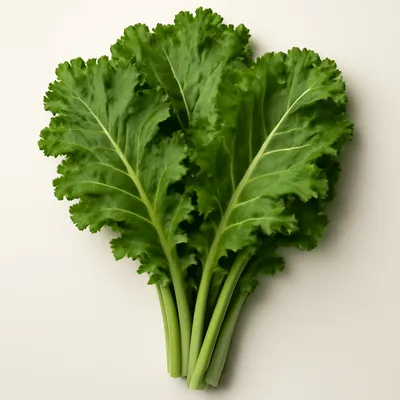
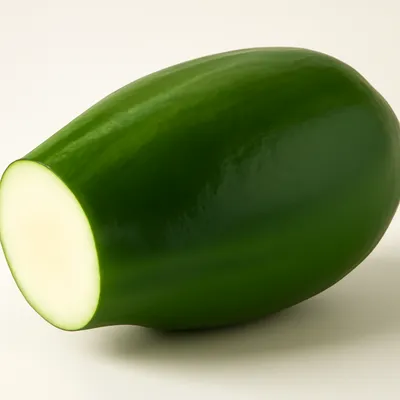
A small cold plate of clay-jar pickles — mustard greens, white radish, papaya, garlic shoots — sour, salty, chili-tinged, eaten before the meal in southeastern Guangxi.



A native Guangxi tradition rooted in the subtropical, hot-and-humid climate, where preserving abundant fruit in sour brine both stored it and whetted the appetite; a Southern-dynasties (≈1,600-year-old) pickling jar unearthed at Gongcheng shows Guangxi people were eating sour pickles this early. The clay-jar pickle tradition is Hakka preservation craft adapted to subtropical Yulin: longer rice-water ferments, more chili, more papaya than the colder northern versions. The everyday street version is pickled fresh in small batches rather than from a perpetual mother brine; only heritage crafts such as Yulin's century-old Chenghuang sour vegetables use long jar-aging.
Hakka migrants brought clay-jar pickling into Guangxi during the Ming-Qing. Rice-water brine is the giveaway — leftover starch and yeasts seed lactic fermentation in days, not weeks, and keep the crunch glassy.
A few translucent slices on a saucer, picked up with chopsticks while the rice cooks. The crunch is brittle, almost glassy. Sour hits first — bright, lactic, not vinegary — then salt, then a slow chili warmth. Eaten one slice at a time between bites of plain rice or rich braised pork; this is palate-reset food, not a dish you finish.
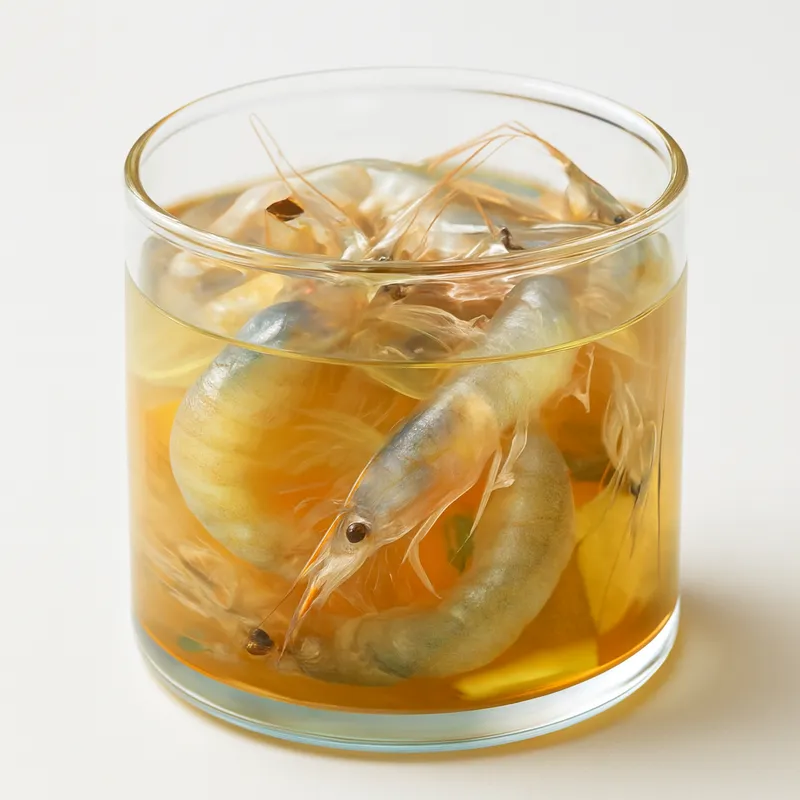
What separates it from a Western pickle is the brine: a quick bath of rice vinegar, sugar and salt (sometimes with chili or a spoon of fermented glutinous-rice mash). The sour comes mainly from the rice vinegar plus a short maceration that draws water out and lets the seasoning soak in, not from a slow lactic ferment — fruit cures in an hour or two, vegetables and beans in one to three days, and the crunch survives because the pickling is brief and the fruit is picked under-ripe. The water-trough lid is non-negotiable — any oxygen in and you get mold instead of lactobacillus.
Variations
Yulin household pickles run papaya-heavy and sour; Beihai coastal version adds shrimp paste; Wuxuan's hongzao sour pickles use a red fermented-rice brine; coastal Beihai and Qinzhou simply toss fresh-cut fruit with chili-salt, licorice or sour-plum powder; Sichuan paocai is closest in technique but uses a sealed water-trough crock for cleaner fermentation.
On the Palate
Where Yulin Pickled Vegetables sits in the Chinese flavor cloud
Ingredients
Serves 6


How it's made
5 steps · 30 min
- 1240 min
Wash and sun-dry 500g mustard greens, 200g white radish (cut into batons), 200g green papaya (sliced), and 100g garlic shoots for 4 hours until limp.
Watch outSun the vegetables just until they go limp and bendy, not bone-dry — you want the water drawn down so they take the brine, but keep enough body to stay crunchy.
- 25 min
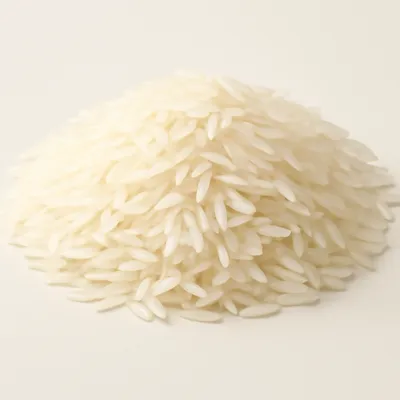
Make rice-water brine: rinse 100g uncooked rice in 1 liter water, reserve the cloudy water, add 40g salt and 10g sugar. Stir until dissolved.
- 310 min
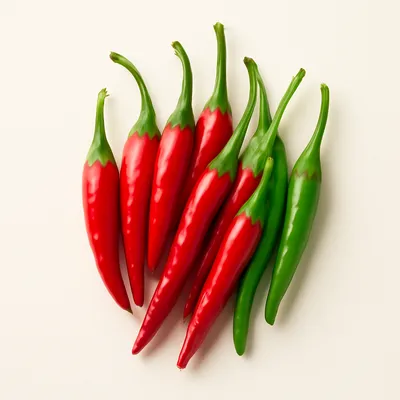
Pack vegetables into a clay fermentation jar in tight layers. Tuck in 30g sliced ginger, 4 fresh red chilies, and 6 garlic cloves. Pour brine over until vegetables are fully submerged.
Watch outEnsure vegetables are fully submerged to prevent spoilage.
- 410080 min
Seal the jar with its water-trough lid (filled with water to keep air out). Leave at room temperature 7 days in cool weather, 4 days in summer — taste from day 4: the pickle should snap and turn sour without going soft.
Watch outStart tasting from day 4 — pull it the moment it snaps crisp and turns sour; leave it longer and the crunch goes soft.
- 53 min
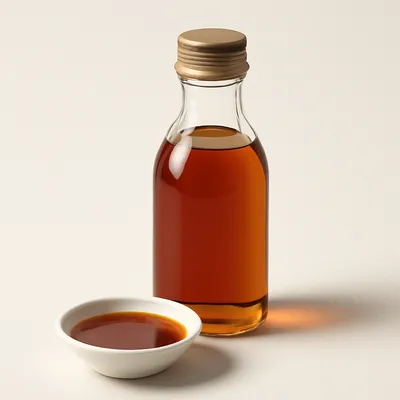
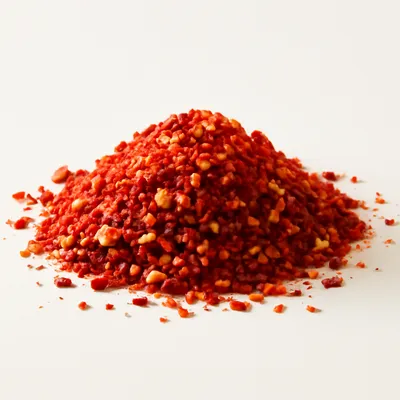
Lift out a small portion, slice thin, drizzle with 1 teaspoon sesame oil and a pinch of chili flakes. Serve cold; return the rest to the jar.