
Duck-mother dumplings are a classic Chaoshan sweet soup of large, filled glutinous-rice balls — bigger than ordinary tangyuan and pinched to a tapered point — simmered in a clear rock-sugar broth set with ginkgo, lotus seed, job's-tears, white fungus and sometimes a quail egg. Each dumpling hides one of four traditional fillings: mung-bean paste, red-bean paste, taro paste or black-sesame sugar. As they cook they bob and sink in the soup, and the name likens the plump white balls to mother ducks gliding on water; the character nian refers to the hand-pinching of the dough. Served warm, four to a bowl, it is one of the best-loved sweet soups of the Teochew table.


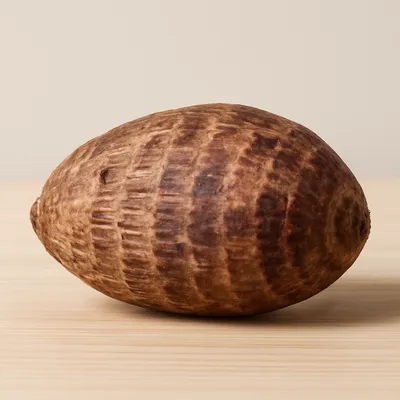


Duck-mother dumplings are a traditional Chaoshan sweet eaten across Chaozhou and Shantou; their exact origin is not securely documented, but they are an old festival food, long served as a Lantern Festival treat and once locally called simply "yuanxiao." The name has two accepted readings, both attested in Chaoshan writing on the dish: most say the boiled dumplings bob and sink in the soup like a flock of mother ducks playing on the water — nian, in the Chaoshan dialect, describing the up-and-down paddling of waterfowl — while others trace it to the large, egg-shaped balls resembling a duck's egg (the older alternate spelling writes the second character differently). The dumpling skin is made the old way, by soaking glutinous rice, stone-grinding it into a slurry, draining and pressing out the water in a cloth bag, then kneading the paste until soft and springy. It remains a fixture of the Teochew sweet-soup repertoire, sold by century-old snack houses of the old Chaozhou city and eaten warm by the bowl.
The dumpling gives a tender, springy resistance and then a gentle stretch, its glutinous-rice skin smooth and just chewy, breaking to a soft sweet core — silky red-bean or taro paste, grainy mung bean, or black-sesame sugar that runs warm and nutty. Around it the soup is clear and lightly sweet rather than heavy, scented with rock sugar; the ginkgo is faintly bitter and firm, the lotus seed and job's-tears starchy, the white fungus slippery and gelatinous. It is a warming, restrained sweetness — soft chew against crunchy, slithery garnishes, eaten hot so the skin stays supple and the filling molten.
Glutinous rice is almost pure amylopectin, with very little amylose, so once its branched starch gelatinizes the cooked skin turns sticky, translucent and chewy rather than crumbly. A Chaoshan trick keeps the large dumplings from cracking or drying: a portion of the dough — often about a fifth — is boiled first and worked back into the raw dough, so its already-gelatinized starch makes the whole batch more elastic and stretchable, letting each ball be filled generously and pinched to a point without tearing. The dumplings are simmered in plain sweetened water until they float, which signals the skin has gelatinized through and trapped steam inside has made it buoyant; a further minute sets the interior. The garnish broth is built separately so its textures stay distinct — rock sugar dissolved for a clean, clear sweetness, white fungus simmered long enough to release pectin and turn gelatinous, ginkgo and lotus seed cooked until just tender — and the dumplings are added at the end so their skins do not overcook into mush.
Variations
The four canonical fillings are mung-bean paste, red-bean paste, taro paste and black-sesame sugar, and some cooks shape each filling to a different outline — round or egg-shaped — so they can be told apart in the bowl. The garnish soup varies by household and shop: common additions are ginkgo, lotus seed, job's-tears, white fungus, a quail or sweet egg, and dried persimmon, and the sweetening may be rock sugar or plain white sugar. Across the region the same dumpling turns up in Chaozhou, Shantou, Puning and Chenghai with small differences of soup and filling, and it overlaps with the local "five-fruit" and "sweet-egg" soups it is often cooked into.
On the Palate
Where Duck-Mother Dumplings sits in the Chinese flavor cloud
Ingredients
Serves 4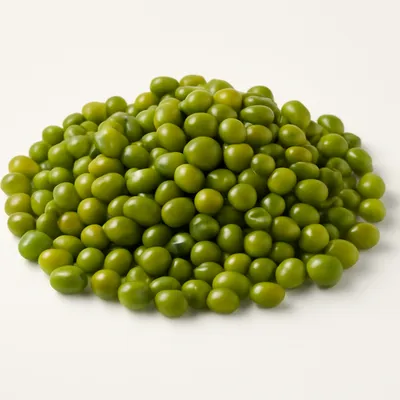


How it's made
7 steps · 40 min active + 30 min waiting
- 115 min
Make the fillings: work mung-bean paste, red-bean paste, taro paste and black-sesame mixed with sugar each into small balls of about 12-15 g and chill so they hold shape.
- 212 min
Mix glutinous-rice flour with warm water into a soft, smooth dough; pinch off about a fifth, boil that piece until cooked through, then knead it back into the raw dough for extra elasticity.
Watch outBoil a fifth of the dough and knead it back in — that cooked-starch portion is what keeps the big dumplings from cracking.
- 315 min
Divide the dough into roughly 20 g portions, flatten each, wrap around a filling ball, and pinch the dough closed and out to a tapered point without sealing a thick seam.
- 420 min
In a separate pot, simmer rock sugar with ginkgo, lotus seed, job's-tears and torn white fungus until the garnishes are tender and the soup lightly thickened.
- 53 min
Bring a pot of lightly sweetened water to a gentle boil and slip in the dumplings a few at a time.
- 64 min
Simmer until the dumplings float, then a further minute or so until the skins are translucent and the filling is hot through.
Watch outThey're done a minute after they float and the skins turn translucent — that floating is the doneness signal.
- 72 min
Ladle the dumplings into bowls, add the garnish soup and a quail or sweet egg if using, and serve warm, about four dumplings to a bowl.


