
A halal lamb dish of the Hui and Dongxiang people of Linxia in southwest Gansu, and the emblematic dish of the area's hospitality. A whole young lamb is broken down into large bone-in pieces and simmered in plain water with only scallion, ginger, Sichuan peppercorn, a little cao guo (tsaoko), and salt, so that nothing masks the meat. The pieces are lifted out and eaten with the hands, dipped in salt, raw garlic, or a salt-and-garlic-sprout sauce; a bowl of the clear cooking broth (qingtang), scattered with coriander and shredded garlic sprout, is served alongside. It is the regional version of a dish shared across China's northwest, distinct from the Xinjiang rice pilaf also written 抓饭.





Hand-grabbed lamb belongs to the lamb cookery of Linxia (historic 河州), long known in Gansu for its sheep; the Dongxiang lamb raised here was a prized meat, sent as tribute in the Northern and Southern Dynasties era and recorded in Ming sources, though the round figures repeated in popular accounts cannot be firmly fixed. The dish itself grew out of the Dongxiang pinghuo custom — neighbors clubbing together to buy a sheep and share both the cost and the meal — a communal practice documented over the past century or more rather than tied to a single inventor or date. The name simply describes how it is eaten: the bone-in pieces are picked up and gnawed by hand. It is core to Hui and Dongxiang banquets across Linxia, and 'Dongxiang hand-grabbed lamb' has been registered as a regional geographic-indication trademark.
A good piece is hot and falls cleanly off the bone in moist, ropy strands, the fat soft and sweet rather than waxy, and there is almost no muttony reek because a young lamb cooked plainly gives a clean, milky-sweet meat flavor lifted only by salt, garlic, and peppercorn. Eaten with the fingers, the meat should slip whole off the bone with a little tug, the skin yielding and the lean still juicy. Done badly, it is either underdone and tough at the bone or boiled to grey shreds, the broth greasy and dull; an old or rank sheep, or a heavy hand with spices, buries the very meat flavor the dish exists to show.
The whole point is restraint. A young lamb has little of the branched-chain fatty acids that give old mutton its strong smell, so cooking it in nothing but water with scallion, ginger, and a few Sichuan peppercorns lets the meat's own flavor come through; the ginger and peppercorn mask the faint gaminess without adding a competing taste of their own. Large bone-in pieces are started in cold water and the scum skimmed as it rises, then held at a bare simmer rather than a hard boil — gentle heat slowly turns the collagen of the connective tissue to gelatin so the meat pulls cleanly off the bone and stays moist, while a rolling boil would tighten the muscle and squeeze it dry. Salt mostly goes in late or at the table so it does not draw out moisture during cooking, and the clear broth is the cooking water itself, kept clean by careful skimming. The raw-garlic dip works by contrast: its pungent sulfur compounds cut the richness of the warm fat.
Variations
The Linxia and Dongxiang version stays plainest, eaten by hand with salt, garlic, and garlic sprout and a bowl of clear broth. Lanzhou shops often serve it cut into smaller pieces and offer it three ways — hot, warm, or chilled (热吃、温吃、凉吃). The same hand-grabbed lamb is shared across China's northwest, with regional touches in Ningxia, Qinghai, and Inner Mongolia; it should not be confused with Xinjiang's 抓饭 (polo), a mutton-and-carrot rice pilaf that is also eaten by hand and written with the same character 抓. A nearby Linxia dish, 发子面肠, uses the lamb's offal and blood, and the broth itself is often turned into a peppery lamb soup.
On the Palate
Where Linxia Hand-Grabbed Lamb sits in the Chinese flavor cloud
Ingredients
Serves 6

How it's made
7 steps · 30 min active + 2 hours waiting
- 120 min
Choose a young lamb and cut it into large bone-in pieces — fore and hind legs, ribs, spine, and brisket; rinse and soak the pieces in cold water to draw out blood.
- 215 min
Put the pieces in a large pot, cover with cold water, and bring slowly toward a boil, skimming off all the grey scum as it rises until the surface runs clean.
Watch outStart the lamb in cold water and skim off every bit of grey scum as it rises until the surface runs clear — skip this and the broth turns murky and smells muttony.
- 33 min
Add scallion knots, ginger slices, a few Sichuan peppercorns, and a piece or two of cao guo (tsaoko); drop the heat to a bare simmer.
- 4110 min
Simmer gently, uncovered or loosely covered, for one and a half to two hours, until the meat pulls easily from the bone but still holds together; add salt only in the last stretch.
Watch outHold it at a bare simmer, barely bubbling, for an hour and a half or more until the meat slips off the bone but still holds — and salt only near the end, or it firms up tough early.
- 58 min
Lift the pieces out and let them rest briefly so the juices settle; keep the broth hot.
- 63 min
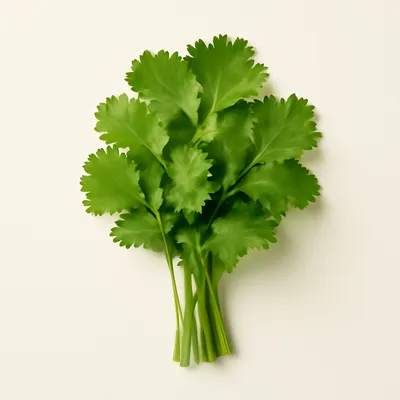
Strain a portion of the clear broth into bowls and scatter with chopped coriander and shredded garlic sprout to serve as soup alongside.
- 73 min
Set out dishes of fine salt, raw garlic cloves, and a salt-and-garlic-sprout dip; serve the lamb whole and warm, to be torn and eaten by hand.
Archive tool suggestions — not reviewed
These legacy suggestions have not been evidence-reviewed and are not presented as required tools.


