Springy buckwheat noodles served cold in a deep-amber broth spiked with old vinegar and chili oil, crowned with shredded dried tofu, mountain bellflower root, cucumber, and kimchi — the signature cold noodle of Heilongjiang, sharper and saltier than its Jilin cousin.




Cold noodles entered the Jixi region of eastern Heilongjiang through Korean immigration in the early twentieth century. The first-generation inheritor, a woman known as Jiang Zhuangshi, is said to have introduced the Korean cold noodle technique to Jixi around 1925. In 1952, the Korean-Chinese couple Jin Fengyuan and Jiang Zhensu opened the first dedicated cold noodle restaurant in the city. Four years later, during the wave of collectivisation, their private shop was merged into a state-run Korean cold noodle hall — the direct institutional ancestor of what Jixi people today call the Daqixi cold noodle. The key transformation was flavour localisation: the majority of Jixi's working population during the mid-century were Han Chinese coal miners who preferred heavily salted food, and the restaurant staff gradually calibrated the broth and toppings to balance the Korean sweet-sour base with a pronounced saltiness. This hybrid register — Korean structure, Dongbei palate — set Jixi cold noodle apart from both Yanji-style (sweeter, more delicate) and Shenyang Xita-style (drier, with more accompaniments). In 2016 the dish was listed as the fifth batch of Heilongjiang provincial intangible cultural heritage.
Cold and exhilarating, the noodles arrive springy and slick, the broth punching with vinegar before yielding a savoury depth; dried tofu strips add a chewy counterpoint, and the mountain bellflower root delivers a faint bitter mineral note that cleanses each mouthful.
Jixi cold noodle's unique texture begins in the noodle itself: buckwheat (or a wheat-buckwheat blend) contains high levels of rutin and resistant starch that increase the noodle's structural rigidity after cooking and rapid cold-water shocking; the rapid cooling locks the starch in a partially retrograded, firm state rather than allowing it to become soft and gummy. The broth's flavour balance depends on acetic acid (from aged vinegar) lowering the perceived salt threshold, allowing a high-sodium base to taste bright rather than merely salty. Chili oil contributes fat-soluble capsaicin that coats the palate and delays the onset of vinegar acidity, sequencing the flavour release: salt first, then heat, then sour.
Variations
Over fifty topping combinations are now available in Jixi, including clam meat (蚬子), poached fish slices, and sea bellflower root; a dry-toss version without broth (拌冷面) is popular in summer; in the 1980s the restaurant also developed a spicy stir-fried version (辣拌冷面) that is unique to Jixi.
On the Palate
Where Jixi Cold Noodle sits in the Chinese flavor cloud
Ingredients
Serves 2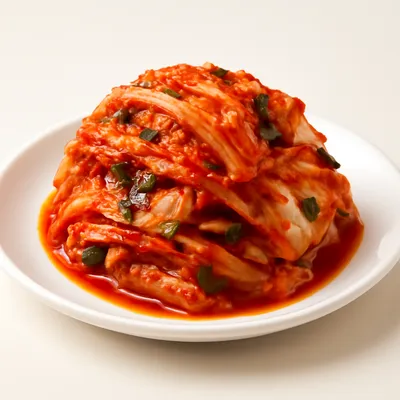


How it's made
7 steps · 20 min
- 15 min
Bring a large pot of unsalted water to a rolling boil; cook buckwheat cold noodles for 3–4 minutes until just cooked but still firm at the core; drain immediately.
Watch outPull the buckwheat noodles at three to four minutes while the core is still firm — they keep softening, and mushy noodles won't hold the cold-shock chew.
- 25 min
Transfer the hot noodles to a bowl of ice-cold water; agitate to cool quickly; drain, divide between two serving bowls, and chill the bowls in the refrigerator while preparing toppings.
Watch outShock the hot noodles in ice water and agitate right away — the fast chill locks the starch firm; a slow cool leaves them soft and gummy.
- 35 min
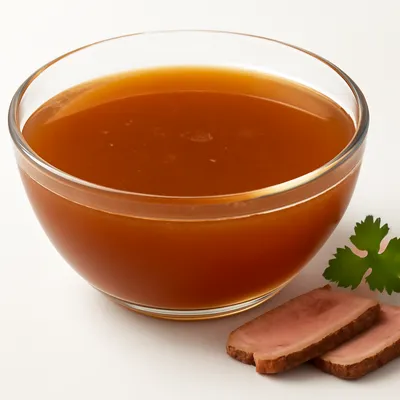
Make the broth: combine beef or chicken stock with light soy sauce, aged rice vinegar, a pinch of salt, and sugar; taste and adjust until the base is sharply savoury with a distinct acidic edge; chill the broth.
Watch outTaste the broth cold and push the vinegar — the acid should read bright and sharp against the salt, or the whole bowl falls flat.
- 410 min
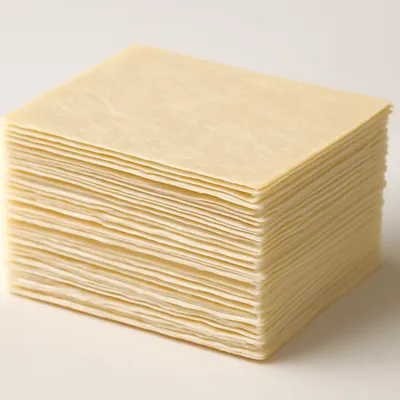
Prepare toppings: cut firm Jixi-style dried tofu sheets into fine strips; julienne half a cucumber; drain kimchi and roughly chop; slice mountain bellflower root (or daikon) into thin ribbons.
- 51 min
Retrieve the chilled noodle bowls; pour about 180ml of cold broth over each portion.
- 63 min
Arrange dried tofu strips, cucumber, kimchi, and bellflower root over the noodles in distinct sections.
- 72 min
Finish with a drizzle of chili oil, a splash of extra vinegar, and toasted sesame seeds; serve immediately with extra dipping bowls of the dry toppings on the side.
Archive tool suggestions — not reviewed
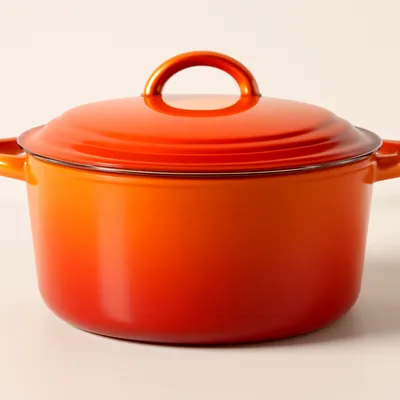
These legacy suggestions have not been evidence-reviewed and are not presented as required tools.