The founding soup dumpling of Huai'an: snowdrop-white wrappers so thin they pass a lamp-light inspection for pinholes, filled with a scalding molten broth of crab roe and pork-skin gelatin that liquefies the moment the steam hits it.



Founded in 1817 by Chen Haixian at the Wenlou restaurant in Hexia, an ancient canal town in Huai'an. The essayist Zhu Ziqing explicitly attributed this style to Huai'an, not Yangzhou, in his essay On Yangzhou: 'it is genuinely a Huaiyin speciality and Yangzhou should not take the credit.' Premier Zhou Enlai recalled visiting Wenlou as a child by boat to eat these dumplings. The dish won a gold medal at the 1911 Nanyang Industrial Expo.
Snowdrop-white, barely-set skin trembling on the plate — open a tiny window with your lips and draw in a mouthful of molten crab-gilded broth before the skin has time to cool.
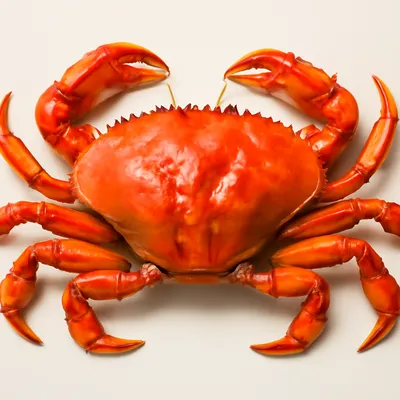
The filling is built on a pork-skin aspic: simmering fresh pig skin for six hours breaks down collagen into gelatin peptides that set solid on cooling. At steaming temperatures above 90°C the gelatin, which melts at around 35°C, liquefies instantly into a scalding broth. The wrapper is rolled so thin it must pass a lamp-light inspection for pinholes. Crab roe contributes carotenoid pigments for its orange colour and marine amino acids whose sweetness the neutral gelatin magnifies.
Variations
The Jingjiang variant is larger, served in a bamboo basket with a straw inserted through the crown; the Wenlou original is smaller, sucked directly from a bite-opening. Autumn seasonal editions use hairy crab roe exclusively, intensifying colour and richness. A chicken-stock aspic version substitutes clear chicken gelatin for pork skin, yielding a golden-tinged, lighter broth.
On the Palate
Where 文楼汤包 sits in the Chinese flavor cloud
Ingredients
Serves 4
How it's made
7 steps · 1 hour
- 1360 min
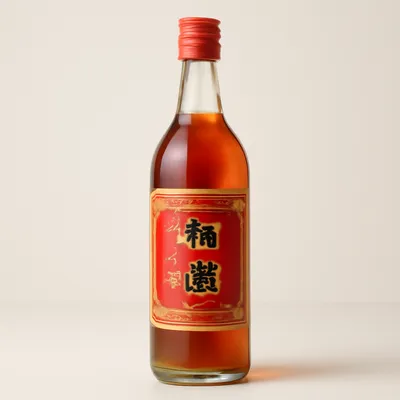
Simmer fresh pork skin with scallion, ginger and Shaoxing wine on low heat for 6 hours; strain and cool to set into a firm, clear aspic.
Watch outSimmer the skin stock down until a spoonful chills to a firm, clear wobble — too loose and the soup won't set inside the wrapper.
- 220 min
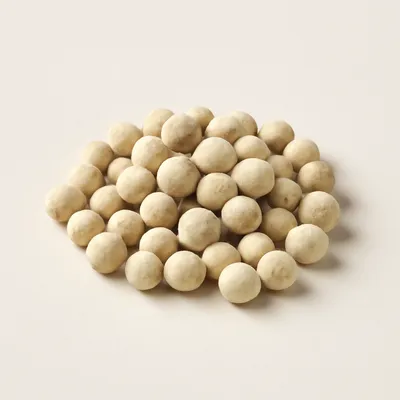
Steam or blanch fresh crabs; extract roe and white meat; mix with finely diced aspic, salt, sesame oil and white pepper to form the filling; refrigerate until solid.
- 335 min
Mix all-purpose flour with water and a small amount of salt; knead until silky smooth; cover and rest 30 minutes; roll wrappers paper-thin (under 1 mm thick).
Watch outRoll the wrapper until light shows through it — thick spots steam gummy and burst; hold each up to the lamp before filling.
- 45 min
Hold each wrapper up to a light source to check for pinholes; discard or re-roll any that fail inspection.
- 515 min
Spoon chilled filling onto each wrapper; pleat with 36 even folds working from one side; press the crown firmly shut.
- 69 min
Arrange dumplings on a lightly oiled bamboo steamer tray; steam over vigorously boiling water on high heat for 8–9 minutes until the skin turns translucent and the soup jiggles visibly inside.
Watch outPull them the moment the skin turns translucent and the soup visibly jiggles inside, about eight or nine minutes — oversteam and the skin splits and the broth leaks out.
- 72 min
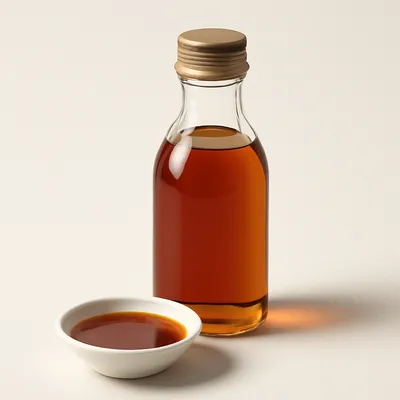
Serve immediately in the steamer; eat by biting a small opening at the crown, gently sucking the broth first, then eating the skin dipped in Zhenjiang vinegar.
Archive tool suggestions — not reviewed
These legacy suggestions have not been evidence-reviewed and are not presented as required tools.

