Boiled dumplings from Yongji, at the point where Shanxi, Shaanxi, and Henan converge on the Yellow River. Thin wheat skins enclose a filling of hand-minced beef beaten with cold bone broth, which gels the filling so it floods the mouth with savory juice on the first bite. Served soaked in clear broth with Shanxi aged vinegar — one of southern Shanxi's most-exported culinary traditions, now supported by over 30,000 restaurants nationwide run by Yongji natives.





Yongji is the meeting ground of three provinces on the Yellow River floodplain, long home to a Hui Muslim community whose preference for beef over pork shaped the local dumpling tradition. Yuncheng city government records and local oral histories together document how the commercialized form emerged in the early reform era, when the Xuxiang Township meat-processing plant began producing quality beef; townspeople adopted it for dumpling filling and the dish spread rapidly across the region. In 2024 Yongji inaugurated a Beef Dumpling Food Culture Festival, formalizing the dish as a regional public brand.
The skin is almost translucent, and it yields at the first press of teeth to release a flood of savory bone-broth juice; the beef filling is dense and springy, fragrant with ginger and spring onion. Soaked in the mild vinegar broth, the flavors deepen with each successive spoonful — this is a dumpling designed to be lingered over.
Cold bone broth beaten gradually into the filling incorporates gelatin and collagen hydrolysate peptides, which re-gel below about 40°C. Sealed inside the raw dumpling, this matrix holds the filling firm for shaping; when dropped into boiling water, the gel liquefies rapidly, producing the classic broth-filling effect that floods the palate on the first bite. Rolling the skin to approximately 1 mm creates a high surface-to-volume ratio: during boiling, thermal expansion of the filling pushes outward against the taut skin, achieving the distinctive thin-skin-bulging-filling appearance without rupturing the sealed edge.
Variations
Sour-broth version (most traditional: soaked in clear broth spiked with aged vinegar and chili oil); dry dumplings (drained and served with dipping vinegar); mutton dumplings (same skin and technique with lamb filling, popular elsewhere in Yuncheng).
On the Palate
Where Yongji Beef Dumplings sits in the Chinese flavor cloud
Ingredients
Serves 4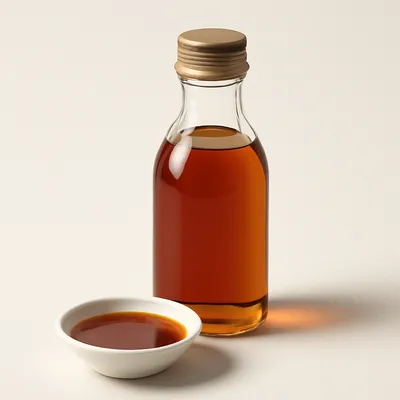
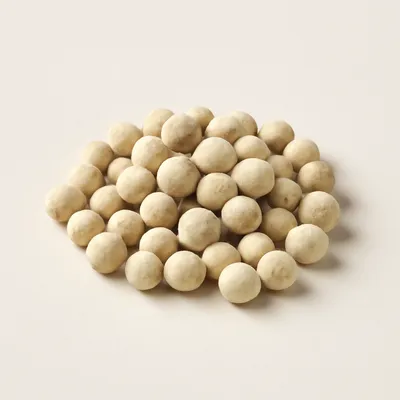

How it's made
7 steps · 40 min
- 140 min
In a large bowl, combine flour and salt; gradually add cold water while mixing, then knead for 10 minutes until smooth and elastic; cover with a damp cloth and rest 30 minutes
- 210 min
Chop beef by hand using two cleavers alternately on a heavy board until it forms a coarse, springy paste — do not use a food processor
- 330 min
Simmer beef bones with ginger and spring onion in water over low heat for 30 minutes; strain and cool the broth to room temperature
- 45 min
Season beef with soy sauce, salt, white pepper, and sesame oil; beat in the cold bone broth a tablespoon at a time, stirring in one direction after each addition, until all 150 ml is absorbed and the filling is glossy and cohesive
Watch outBeat the cold broth in one spoon at a time, stirring one direction until each is fully absorbed before the next — rush it and the filling weeps water instead of turning glossy and cohesive; that absorbed gel is the soup that bursts on the first bite.
- 510 min
Roll rested dough thin to about 1 mm; cut into rounds; working in pairs, roll two rounds simultaneously with a uniform rolling pin
- 610 min
Place a heaped tablespoon of filling in the center of each round; fold and crimp into a tight crescent, pressing edges firmly to seal
- 77 min
Boil in a large pot of salted water until the dumplings float and the skins turn translucent, about 7 minutes; ladle into bowls with some broth; add Shanxi aged vinegar and chili oil at the table
Watch outBoil about seven minutes until the dumplings float up and the skins go translucent — that translucency is the thin skin cooked through with the filling's broth just set inside; overboil and the 1 mm skins split.
Archive tool suggestions — not reviewed
These legacy suggestions have not been evidence-reviewed and are not presented as required tools.


