
The emblem of Chaoshan kueh culture: a peach-shaped rice cake with a pink, pliant skin pressed in a carved wooden mold, stuffed with a savory glutinous-rice filling. Because the peach (寿桃) signifies longevity and good fortune, it is the kueh laid out by every Teochew household for ancestral and deity worship at the eight seasonal festivals. The skin is a dough of glutinous and rice flour tinted rose-red; inside is steamed glutinous rice fried with shiitake, dried shrimp, cured pork and peanuts. Steamed soft for the altar, then almost always pan-fried before eating so the skin crisps at the base.



Red peach kueh belongs to the deep kueh tradition of the Chaoshan region of eastern Guangdong (Chaozhou, Shantou, Jieyang), where 'no festival passes without kueh' and the cakes are inseparable from ancestral worship. The form is read symbolically rather than dated to any reign: the peach borrows the meaning of the longevity peach (寿桃), and the red color carries festivity and luck, so the kueh is an offering of blessing as much as a food. Each cake is shaped in a 粿印, a wooden mold whose face is carved with a peach outline and an auspicious character such as 寿 (longevity) or 福 (fortune), and the molds are heirlooms passed down in a family. Older practice tinted the skin with the natural red of safflower-rice (红花米) or red yeast rice; many households now use food coloring. The everyday name 饭桃 ('rice peach') points to the glutinous-rice filling within.
A plump rosy peach, the molded ridges and the character on its face still crisp, its skin smooth and faintly translucent. Eaten freshly steamed the skin is soft, chewy and a touch sticky; pan-fried, the underside turns golden and crisp while the top stays tender, the best of both textures in one bite. The skin is mild and lightly sweet, a quiet wrapper for the savory heart — warm glutinous rice loaded with the woodsy depth of shiitake, the brine of dried shrimp, the fat of cured pork and the crunch of peanuts. A whole one is filling and squarely savory, far closer to a rice dumpling than to a dessert.
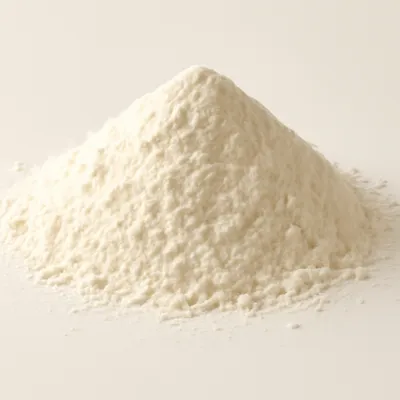
Two things make the cake: the dough and the mold. The skin blends glutinous rice flour, which gives chew and stretch, with a smaller share of plain rice flour, which keeps it from being gummy; it is brought together with hot water (scalding part of the starch so the dough turns pliable and holds a sharp impression). Rolled thin, filled, and pressed face-down into a floured 粿印, the dough takes the carved peach and character in clean relief, then is rapped out. Steaming sets the skin: 8–10 minutes is enough, and the surface is brushed or rubbed with a little oil so the cakes do not stick to each other or to the cloth, and so the color stays bright. The filling is cooked and cooled first, because a wet or hot filling steams the skin from within and slumps the molded shape. The classic second life is the pan-fry — a thin film of oil over medium heat crisps the flat side by Maillard browning while the interior simply reheats, which is why leftover peach kueh is prized as much as fresh.
Variations
The filling is the main fork. The classic Chaoshan version is the glutinous-rice one (饭桃) — fried sticky rice with shiitake, dried shrimp, cured pork or sausage and peanuts; sweet households make a mashed-taro, sweet mung-bean or red-bean filling instead. Shape and stamp vary by family and occasion: besides the peach there are tortoise-backed molds (the kueh then called 红龟粿 in Hokkien-Teochew areas) and round 福 cakes, the tortoise likewise standing for long life. The red is the constant for festive use, set by safflower-rice or red yeast rice in the old way and by food coloring now; an undyed white version is made for funerary rites, where red would be inauspicious.
On the Palate
Where Red Peach Kueh sits in the Chinese flavor cloud
Ingredients
Serves 6


How it's made
7 steps · 1 hour 10 min active + 50 min waiting
- 130 min
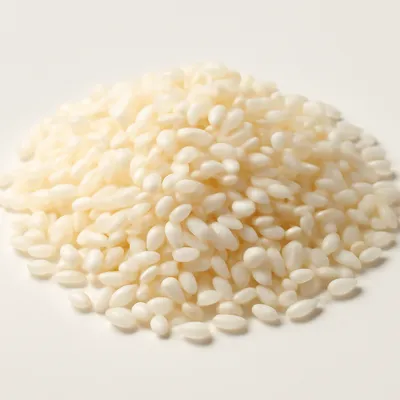
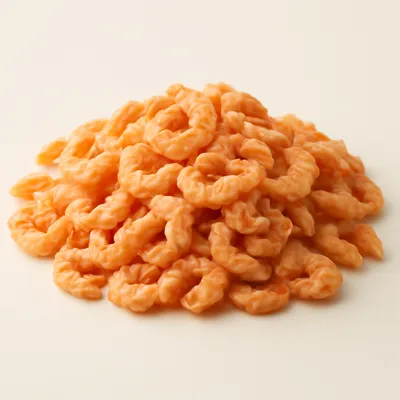
Soak glutinous rice, steam until just done, then stir-fry it with chopped shiitake, dried shrimp, diced cured pork and peanuts, seasoning with light soy, white pepper and a little fish sauce; cool the filling fully.
- 220 min
Scald part of the glutinous and rice flour with boiling water, then knead with the rest and warm water and a few drops of red coloring into a smooth, pliable rose-pink dough; cover and rest.
Watch outScald part of the flour with boiling water, then knead — this cooked portion is what makes the dough pliable enough to take a sharp mold print.
- 310 min
Divide the dough, roll each piece into a thin round, and cup it in one hand.
- 410 min
Spoon in the cooled rice filling, gather and pinch the dough shut, and smooth into a ball.
- 512 min
Dust a peach-carved wooden mold with flour, press the filled ball in seam-side up, level it, and rap it out so the peach shape and character print cleanly.
Watch outDust the mold with flour and rap it out — an unfloured mold grabs the dough and blurs the peach shape when you turn it out.
- 610 min
Set the cakes seam-down on oiled banana-leaf or baking paper and steam over high heat for 8 to 10 minutes; brush the surface with a little oil and cool slightly.
Watch outSteam only 8–10 minutes just to set the skin — over-steam and the skin turns slack, sticky and loses its crisp relief.
- 78 min
To eat, pan-fry the cakes in a thin film of oil over medium heat until the flat underside is golden and crisp; serve warm.
Archive tool suggestions — not reviewed
These legacy suggestions have not been evidence-reviewed and are not presented as required tools.


